
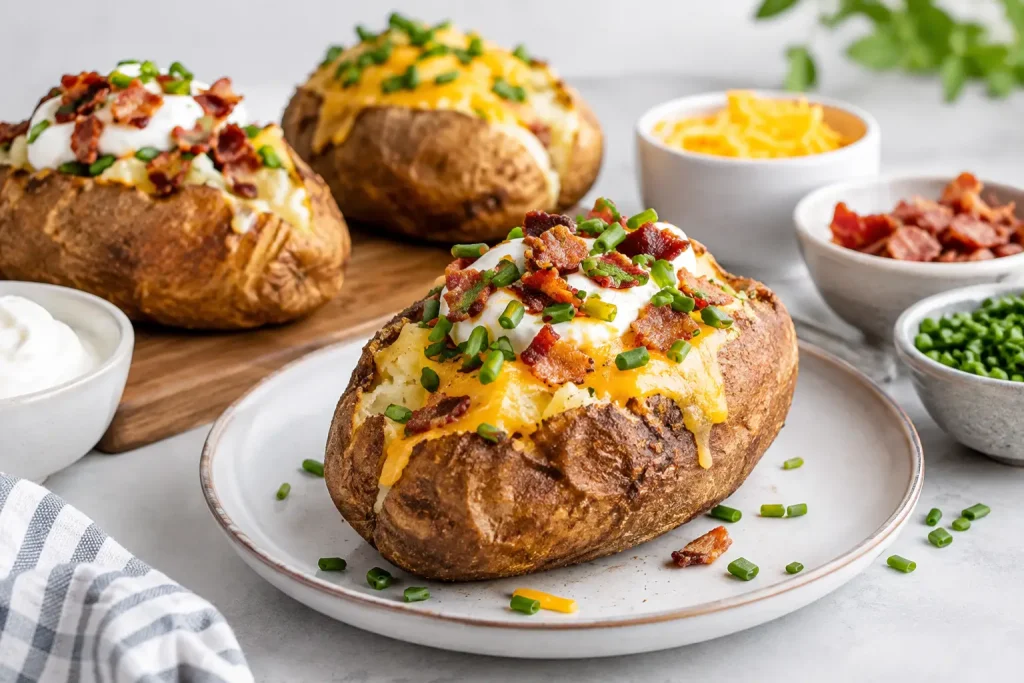
A baked potato can be a great side dish, but it can also be the part of dinner everyone remembers. The secret to how to flavor baked potatoes is not piling on toppings after they come out of the oven. It starts with seasoning the skin, building flavor into the fluffy center, and choosing toppings that work together instead of competing for attention.
A properly baked potato should have a crisp, savory skin and a tender center ready to soak up butter, herbs, cheese, smoky spices, or a punchy barbecue-inspired finish. Whether it is next to a grilled steak, topped with pulled pork, or serving as an easy meatless dinner, a little seasoning turns a plain spud into serious comfort food.
How to Flavor Baked Potatoes Before They Bake
Start with russet potatoes when you want that classic steakhouse-style result. Their thick skins crisp well, and their starchy interiors become light and fluffy in the oven. Scrub them clean, dry them thoroughly, and poke each potato a few times with a fork so steam can escape.
Dry skin matters more than most cooks realize. If the potato is still wet, the oil slides off and the skin tends to steam rather than crisp. Rub each potato with a light coating of olive oil, avocado oil, or melted butter, then season generously on all sides. Salt is essential, but it should not be working alone.
A savory all-purpose blend brings more character than salt and pepper alone. Look for a blend with clean, recognizable herbs and spices, plus enough salt to season the potato evenly. Garlic, onion, black pepper, paprika, dried herbs, and a mineral-rich salt can give the skin a roasted, deeply savory flavor that holds up to hearty toppings.
For a classic steak-and-potato plate, a bold blend such as Heath’s Blends Steak & Taters makes an easy match. The goal is simple: make the potato taste good enough to eat before the butter even hits the table.
Bake the potatoes directly on the oven rack at 400 to 425 degrees F, with a sheet pan on the rack below to catch any drips. Direct heat helps the skin firm up. Depending on their size, most russets need 45 to 70 minutes. They are ready when a knife slides into the center without resistance and the skin feels crisp.
Build Flavor Into the Potato Center
Do not cut your baked potato open with a neat little slit and call it done. Once it is cooked, hold it with a clean kitchen towel and gently squeeze the ends toward the center. The potato will split open and create plenty of craggy surface area for butter and seasoning to settle into.
Add butter first while the potato is piping hot. It melts into the steam pockets and carries seasoning through the center. Then add a pinch of your favorite blend, freshly cracked pepper, and, if needed, a small extra pinch of salt. Taste before adding more. A heavily seasoned skin plus salty cheese, bacon, or barbecue can push things too far in a hurry.
Sour cream brings tang and a cool contrast to smoky or peppery spices. Greek yogurt is a good choice when you want a similar creamy effect with a slightly brighter flavor. For a richer potato, stir softened butter with chopped chives, parsley, roasted garlic, or a little lemon zest before spooning it into the center.
The best baked potatoes have layers. You want the salty crunch of the skin, the buttery center, and a final hit of spice or freshness from the toppings.
Choose a Flavor Direction, Not Every Topping
The easiest way to make a memorable baked potato is to choose one flavor profile and commit to it. A potato can handle plenty of big flavors, but it does not need everything in the refrigerator.
Steakhouse and savory
This is the right move for grilled ribeyes, burgers, pork chops, or a roast chicken dinner. Season the skin with garlic, black pepper, onion, and herbs before baking. Finish the center with butter, sharp cheddar, chives, and a final crack of pepper. Crumbled bacon is welcome, but it is optional when the potato itself is already well seasoned.
Smoky barbecue
A smoky potato belongs beside ribs, brisket, grilled chicken, or shredded barbecue meat. Use a seasoning with paprika, garlic, pepper, and a touch of sweetness on the skin. After baking, add butter, cheddar or pepper jack, barbecue meat, and sliced green onion. A small spoonful of barbecue sauce goes a long way, especially if the meat is already sauced.
Southwest heat
For taco night or grilled fajitas, lean into cumin, chile, garlic, onion, and a little citrusy brightness. Fill the potato with black beans, corn, shredded chicken or ground beef, cheese, and a spoonful of salsa. Finish with cilantro, avocado, or a dollop of sour cream. The cool toppings keep the spices lively instead of overwhelming.
Bright and herby
Not every baked potato needs cheese and bacon. A lighter potato pairs beautifully with salmon, shrimp, grilled vegetables, or a simple roasted chicken. Season the skin with lemon pepper or herbs, then add butter or olive oil, lemon zest, chopped parsley, and a little Parmesan. The bright finish keeps the potato from feeling heavy while still delivering plenty of flavor.
Get the Texture Right Before Adding Toppings
Foil-wrapped baked potatoes have their place, particularly when you are cooking over coals or need to hold them warm for a crowd. But foil traps moisture, producing soft skins. If you want a classic crisp-skinned oven-baked potato, skip the foil.
If you prefer a softer skin, use foil and focus more on the filling. The tender, steamed texture is especially good for loaded potatoes with chili, broccoli and cheese, or pulled pork. There is no wrong choice here – it depends on whether you want the skin to be a crisp part of the dish or simply a vessel for the center.
Avoid overloading the potato immediately. Let the butter melt, fluff the interior with a fork, and season it before adding cheese, meat, or cold toppings. This keeps the center airy rather than compressed and gives every bite better balance.
Simple Ways to Make Baked Potatoes Taste Better
A few small habits make a bigger difference than complicated recipes. Use potatoes that are similar in size so they finish at the same time. Season the outside generously enough that every bite of skin has flavor. And do not be shy about tasting the filling as you build it.
Fresh toppings matter, too. Chives should be bright and green, not tired and dry. Grated cheese melts more evenly than thick chunks. If using bacon, crumble it just before serving so it stays crisp. If using leftover chili or barbecue, warm it separately before spooning it over the potato, so the potato stays hot from the first bite to the last.
For a fast weeknight meal, bake extra potatoes. Refrigerate the leftovers whole, then reheat them in a 375-degree F oven until hot and crisp. Split them open, add fresh butter and seasoning, and they will taste far better than a microwaved potato. A microwave can get dinner on the table quickly, but it will not bring back that crisp, seasoned skin on its own.
Make the Potato Worthy of the Plate
Baked potatoes do not need complicated ingredient lists to taste restaurant-caliber. They need heat, a little fat, thoughtful seasoning, and toppings that support the flavor you have already built. Season the skin, fluff the center, then add just enough butter, spice, crunch, or brightness to make it your own.
The next time potatoes are on the menu, treat them like more than a side. A warm, crispy, generously seasoned baked potato has a way of making an ordinary dinner feel like the meal everyone hoped for.