
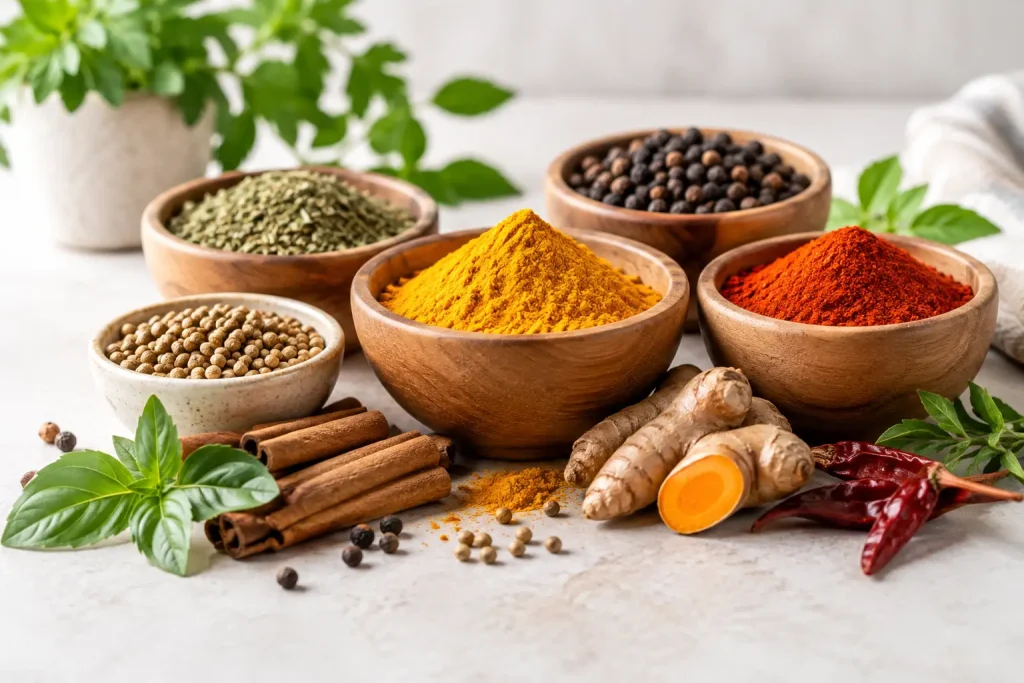
A plain chicken breast, a tray of roasted vegetables, or a pot of beans can feel like a chore until the right seasoning hits the pan. That is where the health benefits of spices become especially practical: they make wholesome food more exciting to cook and much more satisfying to eat. Big flavor can help turn simple ingredients into the kind of meal everyone reaches for twice.
Spices are not magic powders, and they are not a substitute for balanced meals, sleep, movement, or medical care. But used regularly in real home cooking, quality herbs and spices can add more than aroma. They bring naturally occurring plant compounds, help reduce reliance on heavy sauces and excess salt, and make it easier to enjoy everything from grilled fish to weeknight vegetables.
Health Benefits of Spices Start With Real Flavor
The first benefit is the one you taste. Spices can make food feel rich, smoky, bright, warm, tangy, or pleasantly fiery without requiring a pile of butter, sugar, or processed sauces. Garlic, paprika, cumin, black pepper, oregano, chili, turmeric, and lemony seasonings all give ingredients their own personality.
That matters because the meals we enjoy are the meals we make again. If a bold Southwest-style seasoning gets your family excited about chicken, black beans, peppers, and corn, that is a win. If pepper, herbs, and a little tang make roasted broccoli disappear from the serving bowl, even better.
Flavor also gives you room to be more thoughtful with salt. Sodium has a place in cooking, but many packaged foods rely on it as the main event. A well-built blend uses herbs, spices, acidity, aromatics, and heat to create layers of flavor, so you may not need to keep adding salt at the table. The right amount depends on your taste, dietary needs, and the foods you are cooking.
The Plant Compounds Behind the Flavor
The colors and aromas in spices come from naturally occurring compounds that researchers continue to study. These compounds are one reason a spice cabinet can feel like a small collection of culinary powerhouses.
Turmeric brings earthy color and curcumin
Turmeric gives soups, rice, roasted cauliflower, eggs, and chicken a golden color with a mild earthy flavor. Its best-known compound, curcumin, has been studied for antioxidant and anti-inflammatory activity. Research is still developing, and the amount used in a typical dinner is far different from a concentrated supplement. Still, turmeric is an easy, flavorful ingredient to work into regular cooking.
Pairing it with black pepper is a classic move. Pepper contains piperine, which may help the body absorb curcumin more effectively. Try both on roasted potatoes, grilled chicken, lentils, or a skillet of sautéed vegetables.
Garlic, onion, and herbs build savory depth
Garlic and onion bring that familiar savory backbone to just about everything: steak, shrimp, burgers, soups, marinades, and vegetables. Garlic contains sulfur-containing compounds that have been widely studied for their potential role in supporting overall health. Dried garlic is not identical to fresh garlic, but both earn their place in a well-stocked kitchen.
Herbs such as oregano, rosemary, thyme, and parsley contribute more than a fresh, savory finish. They contain aromatic oils and antioxidant compounds, while helping food taste complete without leaning too hard on salt or sugar. Rosemary is especially good with potatoes and pork, while oregano is right at home on grilled vegetables, chicken, and tomato-forward dishes.
Chili peppers add heat, not just excitement
The heat in chili peppers comes from capsaicin. It is the compound responsible for that satisfying slow burn in a good rub or Southwest-style blend. Capsaicin has been studied for its effects on metabolism and pain pathways, but you do not need to chase extreme heat for spices to earn a spot on the plate.
A moderate kick can make a meal feel more filling and memorable. Start gently if you are heat-sensitive, then build from there. A blend should add flavor first and fire second, unless you are the kind of cook who likes a little smoke rolling off every bite.
Cinnamon, ginger, and clove bring warmth
Warm spices are not only for holiday baking. Cinnamon can add depth to sweet potatoes, oatmeal, coffee rubs, and barbecue sauces. Ginger works beautifully with seafood, stir-fries, chicken, and carrots. Clove, used lightly, can bring a deep aromatic note to braises and rubs.
These spices contain antioxidant compounds and are often associated with digestive comfort. The key word is lightly. Clove and cinnamon can take over a dish fast, so use them with a confident but careful hand.
Better Ingredients Make Everyday Seasoning Easier
Not every seasoning blend is built the same. Some include artificial flavors, fillers, preservatives, excessive sugar, or a long list of ingredients that do not bring much to the plate. Reading the label gives you a clearer picture of what is actually seasoning your food.
A clean, thoughtfully made blend puts herbs and spices up front. At Heath’s Blends, that means organic herbs and spices, non-GMO ingredients, Himalayan pink salt, and no MSG, nuts, artificial flavors, fillers, or preservatives. The point is not to make cooking complicated. It is to give home cooks dependable flavor they can use on practically anything.
Himalayan pink salt does contain trace minerals, but it is still salt. Its real kitchen advantage is flavor and texture, not a free pass to use more of it. If you are managing blood pressure or following a sodium-restricted eating plan, keep portions in line with your clinician’s guidance and use spice-forward blends to do more of the flavor work.
Put the Health Benefits of Spices on the Plate
The easiest way to get more from spices is to use them consistently, not save them for a special recipe once a month. Season food before cooking, then taste and adjust near the end. Heat, fat, and cooking time all affect how spices show up in the final bite.
For grilling, season steaks, burgers, chicken thighs, portobello mushrooms, or corn before they hit the heat. A savory pepper-and-garlic profile can create a craveable crust on beef, while a bright peppery lemon blend can wake up salmon, shrimp, asparagus, or zucchini. For barbecue, balance smoky and spicy notes with a little natural sweetness from roasted onions, sweet potatoes, or grilled fruit instead of reaching for a sugary sauce every time.
For weeknight meals, use a Southwest-style blend in turkey chili, taco bowls, scrambled eggs, sheet-pan chicken, roasted squash, or black beans. A tangy blend can bring life to potato wedges, cabbage, green beans, and grilled chicken. The goal is not to make every dinner taste the same. It is to keep a few reliable flavor directions ready, so a good meal is never far away.
Soups and stews deserve a little patience. Add some seasoning early so the flavors can mingle, then finish with another small pinch after tasting. Spices often need time to bloom, especially in broth-based dishes. If the flavor seems flat, the answer may be acidity from lemon or vinegar, fresh herbs, or a touch more spice rather than another shake of salt.
A Few Smart Notes Before You Season
More spice is not always better. Fresh, quality spices are usually more flavorful, so a little can go a long way. Store blends tightly sealed away from heat and direct sunlight. If a seasoning smells dusty or faint, it may be time to replace it.
Individual needs matter, too. Spicy foods can aggravate reflux for some people. Certain herbs and spices may interact with medications when taken in concentrated supplemental amounts. Cooking quantities are generally different from capsules or extracts, but anyone with a medical condition, food allergy, pregnancy-related concerns, or medication questions should check with a qualified health professional.
The best reason to keep spices close to the stove is wonderfully simple: they make good food easier to love. Shake a little personality onto tonight’s vegetables, give that chicken some real character, and let a better-seasoned meal earn its place in your regular rotation.