
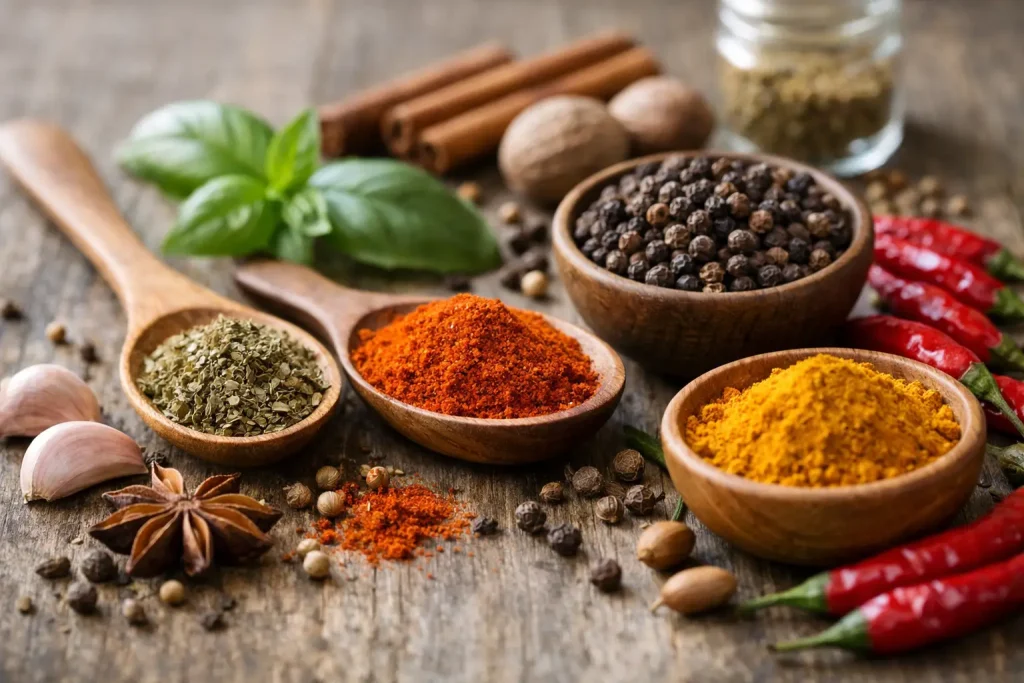
A jar can look perfectly fine and still make chicken, vegetables, or a steak taste flat. So, what makes spices taste fresh? It is not just the date on the label. Freshness comes from the aromatic oils inside each herb and spice, how carefully those ingredients are handled, and whether they are protected from the enemies of flavor before they reach your kitchen.
When a seasoning bursts with citrusy pepper, smoky chile, warm garlic, or bright herbs, you are tasting compounds that are naturally lively but never permanent. Treat them well and a simple Tuesday-night meal can taste like somebody really cared. Let them fade, and even the best recipe needs help.
Fresh spices start with aromatic oils
Most of the flavor and aroma in spices comes from volatile oils. Those are the naturally occurring compounds that make black pepper smell sharp, cumin smell earthy, oregano smell green, and lemon peel smell sunny. The moment you open a fresh jar, those oils reach your nose before the seasoning ever hits your tongue.
Time, heat, air, moisture, and light slowly wear those compounds down. That is why freshness is easy to recognize even before cooking. A lively blend smells distinct and inviting right away. A tired one may smell dusty, bland, or vaguely like the cabinet it has been sitting in.
This also explains why smell matters so much. Your sense of smell carries a huge part of flavor perception. If a spice blend does not smell like much in your palm, it is unlikely to wake up a whole pan of roasted potatoes.
What makes spices taste fresh in a blend?
A great blend is more than a collection of good ingredients. It is a balance of ingredients that have been selected, ground, mixed, and packed with care. One dull ingredient can soften the personality of the entire seasoning.
Consider a peppery lemon blend. The pepper needs to bring a clean bite, while the citrus needs to smell crisp rather than candy-like or stale. In a barbecue seasoning, chile, garlic, onion, paprika, herbs, salt, and a touch of tang must each have a job to do. When those flavors arrive bright and clear, the blend tastes layered. When they have faded, they blur together.
Quality sourcing matters here. Herbs and spices vary by harvest, region, drying method, and storage conditions. A quality-focused blender pays attention to how an ingredient smells, tastes, and performs in food, not just whether it meets a basic specification. That attention is what turns seasoning into a dependable cooking tool instead of a mystery shake from the pantry.
Whole versus ground: a real trade-off
Whole spices generally hold their aromatic oils longer because less surface area is exposed to air. Whole peppercorns, cumin seeds, and coriander seeds can stay lively for a long time when stored well, especially if you grind them just before cooking.
But convenience has value, too. Most home cooks do not want to toast and grind six ingredients before making burgers or seasoning a sheet pan of vegetables. Freshly ground seasoning blends offer an easy path to big flavor, provided they are made in sensible batches and packed properly. The goal is not to make every cook own a spice grinder. The goal is to make every shake count.
Clean ingredients let the real flavor show up
Freshness is about what is present and what is not. Artificial flavors, fillers, and unnecessary additives can muddy a blend or create a flavor that feels loud without tasting natural. A clean ingredient list gives herbs, spices, chiles, garlic, and salt room to do what they do best.
Salt deserves special attention. It does not merely make food salty. Used in the right amount, it helps bring forward savory notes, balances bitterness, and makes other flavors easier to notice. Mineral-rich Himalayan pink salt can add a clean, satisfying foundation to a blend without stealing the show from the spices.
That balance is especially helpful when you season a wide range of foods. A blend that works on steak should not overpower shrimp. A seasoning made for vegetables should still have enough backbone for chicken thighs. Clean, clearly defined ingredients make that versatility possible.
At Heath’s Blends, that means building flavor with organic herbs and spices, non-GMO ingredients, Himalayan pink salt, and no MSG, nuts, artificial flavors, fillers, or preservatives. The point is simple: when the ingredients are chosen for actual flavor, your food does not need a long list of extras to taste exciting.
Packaging protects the flavor you paid for
The best spices in the world will not stay fresh if they are exposed to too much air, light, or humidity. Packaging is part of the flavor story. A tightly sealed container helps hold onto aroma between uses, while an opaque or low-light storage spot helps protect delicate herbs and spices.
At home, keep seasonings away from the stove, dishwasher, and sunny windowsill. Those spots are convenient, but heat and steam are hard on spice blends. A cool, dry cabinet is a better home.
Avoid shaking seasoning directly over a steaming pot. The steam can travel into the container and introduce moisture, which may cause clumping and shorten the blend’s best days. Instead, shake what you need into your hand, a small bowl, or a measuring spoon, then add it to the food. It takes an extra second and protects every future meal.
Heat can either wake spices up or wear them out
Cooking is where fresh seasoning gets its moment. A little heat helps many spices release more aroma, which is why taco meat, grilled chicken, and skillet vegetables smell so good when seasoning first hits the pan. Fat also carries flavor beautifully, so spices bloom especially well in oil, butter, or the natural fat from meat.
There is a line, though. Delicate herbs and garlic can turn bitter when scorched. Finely ground spices can burn faster than larger pieces. If you are cooking over high heat, add a dry rub before grilling, but watch for sugar-heavy blends that may darken quickly. For sautéing, give the spices a brief moment in the oil, then add your main ingredients before they go too far.
For soups, chili, and braises, seasoning in layers usually creates the freshest-tasting result. Add some early so the flavors can settle into the dish, then taste near the end and add a final pinch if the aroma needs lifting. That last addition can bring back the top notes that long cooking naturally softens.
How to tell whether your spices are still lively
Use your senses before you use a calendar. Dates are useful guides, but storage and ingredient type make a difference. Ground spices generally lose their spark sooner than whole spices, while leafy herbs are often the first to fade.
Pour a little into your palm and smell it. You should get a clear impression: smoky, citrusy, savory, herbaceous, peppery, warm, or tangy. Rub a pinch between your fingers to release the oils. If the aroma suddenly wakes up, the blend still has something to give. If it remains faint, it may be time to replace it.
Color can offer a clue, too. Paprika and chile should not look washed out. Green herbs should not all look gray-brown. Still, aroma is the better test, because a spice can retain some color after much of its character has faded.
Make fresh flavor easier on busy nights
Fresh-tasting spices do not require complicated cooking. They reward simple food. Toss vegetables with oil and a savory blend before roasting. Season salmon or shrimp shortly before cooking so bright herbs and citrus notes stay noticeable. Rub chicken thighs before they hit the grill, then finish with a small extra pinch after resting if you want the aroma to pop.
For burgers, steak, and ribs, give a blend enough time to adhere, but do not overthink it. Even 15 to 30 minutes can help seasoning settle onto the surface. For eggs, popcorn, baked potatoes, and soups, add seasoning closer to serving when you want its most immediate aroma.
The practical move is to keep a few distinct profiles on hand: one savory and peppery, one smoky or barbecue-forward, one bright and citrusy, and one warm with Southwest character. That gives you options without turning dinner into a cabinet-cleanout experiment.
Open the jar, take a real sniff, and season with purpose. When the aroma is bright, the ingredients are clean, and the blend has been stored with care, fresh flavor is never far from the next thing you cook.