
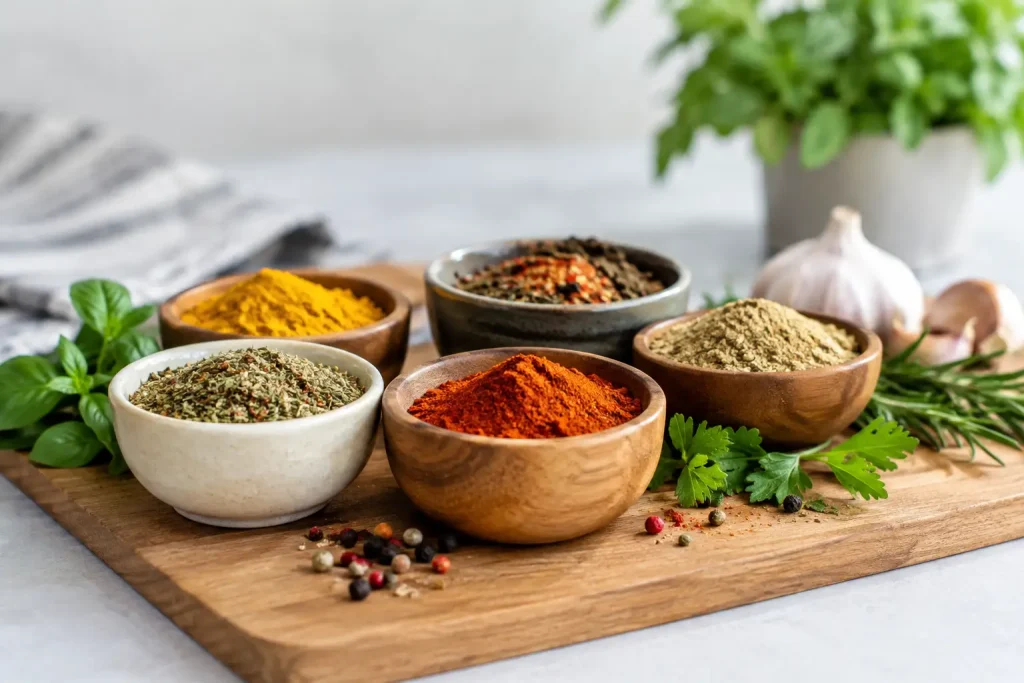
A great seasoning blend can turn plain chicken, roasted vegetables, or a weeknight pot of soup into the meal everyone remembers. But are spice blends healthy? The honest answer is: they can be. It comes down to what is in the bottle, how much you use, and what the blend helps you cook at home.
For cooks who want bigger flavor without relying on heavy sauces, excess sugar, or restaurant takeout, a well-made blend can be a smart pantry staple. Herbs and spices bring character to food on their own. The details that deserve a closer look are the salt level, added ingredients, and whether the flavor comes from real spices or a long list of extras.
Are Spice Blends Healthy for Everyday Cooking?
Spice blends are not automatically healthy or unhealthy. A simple blend of herbs, spices, garlic, onion, pepper, chiles, and salt can be an easy way to make wholesome food more exciting. If seasoning helps you reach for grilled fish instead of fried food, or makes a tray of roasted broccoli disappear before it gets cold, that is a win for the whole meal.
Spices also do more than make food taste good. Many contain naturally occurring plant compounds, including antioxidants. Turmeric, paprika, garlic, black pepper, oregano, cumin, cinnamon, and chile peppers have all been studied for their potential roles in a balanced eating pattern. A teaspoon of seasoning is not a magic health fix, and no blend replaces a varied diet. Still, using flavorful spices regularly is a delicious habit worth keeping.
The biggest health advantage may be practical. Good seasoning makes home cooking easier to enjoy. When your food has enough savory depth, brightness, gentle heat, or smoky character, you do not have to depend on a pile of butter, creamy dressing, or sugary glaze to make it satisfying.
What Makes One Blend Better Than Another?
Turn the bottle around. The ingredient list tells the real story. A quality spice blend should make sense when you read it. You want to recognize herbs, spices, dehydrated vegetables, salt, and other straightforward ingredients that belong in your kitchen.
Watch for blends that lean hard on artificial flavors, preservatives, fillers, or vague ingredients that do not tell you much about the source of the flavor. Those ingredients are not always dangerous simply because they sound unfamiliar, but they can be a sign that the blend is doing less with real herbs and spices. For many home cooks, clean, clear ingredient choices are simply the better fit.
At Heath’s Blends, the focus is on organic herbs and spices, non-GMO ingredients, Himalayan pink salt, and formulas without MSG, nuts, artificial flavors, fillers, or preservatives. That kind of ingredient standard leaves room for the food on your plate to shine while giving you the dependable flavor you want from a ready-to-use blend.
Salt Is the Main Trade-Off
Salt is where most seasoning blends require a little context. Salt makes spices pop, balances bitterness, and helps a steak, potato, or grilled vegetable taste complete. It is also sodium, and sodium can add up quickly when a meal includes seasoning, broth, cheese, cured meat, sauces, and packaged sides.
Himalayan pink salt is still salt, even though it contains trace minerals and brings a clean flavor to the table. If you have been told to limit sodium because of high blood pressure, kidney disease, or another health concern, pay attention to the Nutrition Facts panel and follow your clinician’s guidance. A blend can still fit your meals – you may just use a lighter hand or pair it with naturally low-sodium ingredients.
For everyone else, the goal is not necessarily to fear salt. It is to season with intention. Taste as you cook. Use a salt-forward blend as your main seasoning, then avoid automatically adding more salt at the end. For soups, rice, beans, and big batches of vegetables, build flavor with aromatics, citrus, vinegar, and herbs along with your chosen blend.
Sugar Deserves a Quick Look Too
Some barbecue rubs and seasoning packets use sugar generously. That can be exactly right for certain ribs, pulled pork, or caramelized grilled chicken. Sugar helps create color and balances heat, smoke, and tang.
Still, if you use a sweet rub on nearly every meal, it is worth knowing how much sugar you are getting. A savory blend built around pepper, garlic, onion, herbs, citrus, chiles, or smoky spices may be a better everyday option. Keep the sweeter, stickier flavors for the foods and occasions that call for them.
How Spice Blends Can Support Better Meals
The healthiest blend is often the one that gets used on real food. A Peppery Lemon-style seasoning can wake up salmon, shrimp, green beans, and roasted asparagus. A Southwest blend brings life to black beans, turkey burgers, fajita vegetables, eggs, and sheet-pan chicken. A garlic-and-pepper blend can give potatoes, mushrooms, steaks, and cauliflower a savory crust without much fuss.
This is where convenience matters. You could measure cumin, paprika, black pepper, garlic, oregano, and salt separately every time you cook. Some nights, that sounds fun. On a busy Tuesday, one shaker that delivers a balanced flavor profile can be the reason dinner happens at home instead of coming from a drive-thru.
Use blends to make simple ingredients feel less repetitive. Toss vegetables with olive oil and seasoning before roasting. Rub chicken thighs before grilling. Stir a savory blend into Greek yogurt for a quick dip. Sprinkle it over popcorn, eggs, avocado toast, or a bowl of beans and rice. The right blend earns its spot in the cabinet because it works on more than one kind of food.
A Few Smart Ways to Use Them
Start with less than you think you need, especially with salt-containing blends. You can always add more, but you cannot pull it back out. For a pound of meat or a sheet pan of vegetables, season evenly, let the food rest for a few minutes, then cook. That short pause gives the spices time to cling to the surface and begin working their magic.
High heat changes spices, too. On the grill or in a hot skillet, blends with garlic, onion, sugar, or delicate herbs can darken quickly. For a hard sear, use enough seasoning to build flavor but avoid a thick, wet-looking coating that may burn. If you want an extra hit of flavor, add a final light shake after cooking.
For soups, sauces, and slow-cooked dishes, add seasoning in stages. A little at the beginning develops a deeper base flavor. A second small addition near the end tastes brighter and more aromatic. This method helps you use less salt while still making the bowl taste full and satisfying.
When a Spice Blend May Not Be the Right Choice
Even a clean-label blend is not right for every person or every recipe. Anyone with an allergy should check every ingredient carefully, particularly when blends include mustard, sesame, celery, or other common allergens. People following a low-FODMAP plan may need to limit blends containing garlic or onion. And if you are managing sodium strictly, a salt-free seasoning may be the better everyday tool.
There are cooking moments when individual spices make more sense, too. If you are dialing in a family chili recipe, baking, or trying to control every layer of flavor, building your own mix gives you precision. Ready-made blends are about consistency and speed, not replacing the pleasure of experimenting when you have the time.
The best approach is to keep both options around: a few favorite blends for confident everyday cooking and individual spices for recipes that call for a custom touch.
A good spice blend should make you want to cook another meal, not make you second-guess what you sprinkled on it. Choose blends with ingredients you feel good about, use salt thoughtfully, and let bold flavor carry more of the work. Your grilled vegetables, weeknight chicken, Sunday steak, and big pot of soup will all be better for it.