
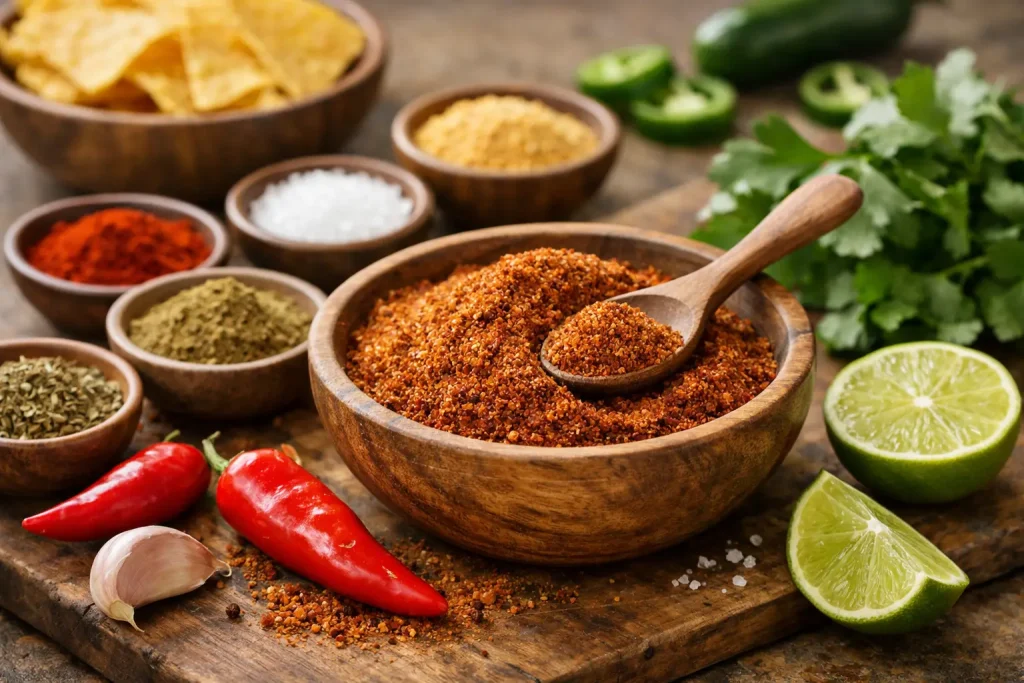
The difference between forgettable taco meat and a skillet that brings everybody to the kitchen is usually hiding in a small spoonful of seasoning. Once you know how to make taco seasoning at home, you can build the flavor exactly the way your table likes it: smoky, earthy, peppery, mild, or with enough heat to wake up a Tuesday night.
A homemade blend also gives you control. No mystery fillers, no artificial flavors, and no need to settle for a packet that is too salty or too bland. Start with fresh, quality spices, and you have a dependable Southwest-style foundation for tacos, burrito bowls, grilled chicken, roasted vegetables, chili, and much more.
How to Make Taco Seasoning From Pantry Spices
This recipe makes about 7 tablespoons, enough for three to four pounds of taco meat or several weeknight meals. Keep it in a small airtight jar and give it a quick shake before each use.
The taco seasoning recipe
Combine the following in a bowl or jar:
- 2 tablespoons chili powder
- 1 tablespoon sweet or smoked paprika
- 1 tablespoon ground cumin
- 1 teaspoon garlic powder
- 1 teaspoon onion powder
- 1 teaspoon dried oregano
- 1/2 teaspoon Himalayan pink salt
- 1/2 teaspoon freshly ground black pepper
- 1/4 to 1/2 teaspoon cayenne pepper, depending on your preferred heat
Whisk the spices until the color is even and there are no little pockets of garlic powder or cayenne. If you are making a larger batch, a jar with a tight lid makes the job easy: add everything, close the lid, and shake like you mean it.
For one pound of ground beef, turkey, chicken, or plant-based crumbles, use about 2 tablespoons of seasoning. Brown the protein first, drain excess fat if needed, then stir in the blend with 1/2 cup water. Simmer for five to eight minutes, stirring now and then, until the liquid reduces into a flavorful coating. Taste before adding more salt. The seasoning should make the meat taste bold, not bury it.
Why Each Spice Earns Its Place
Chili powder brings the classic taco-shop flavor, but it is not just ground chiles. Most chili powders are blends that may include cumin, oregano, garlic, and salt, so brands can vary in heat and character. Taste yours before measuring. If it is smoky and mild, you may want a little extra cayenne. If it is already hot, hold back on the cayenne until the end.
Cumin is the warm, earthy backbone. It gives taco seasoning that unmistakable savory aroma, especially when it hits a hot skillet. Paprika adds color and a gentle pepper sweetness. Sweet paprika keeps the blend rounded, while smoked paprika adds a backyard-grill note that works beautifully with steak, chicken thighs, and roasted sweet potatoes.
Garlic powder and onion powder fill in the savory middle without adding moisture. Dried oregano gives the mix a subtle herbal lift. Mexican oregano has a brighter, citrusy edge if you have it, but regular dried oregano still makes a delicious batch.
Salt and black pepper pull the blend together. Himalayan pink salt is a great clean, mineral-rich choice, though the real advantage is control: you decide how much goes in. If you are seasoning a salty broth, canned beans, chips, or cheese-heavy tacos, make the blend with less salt and season the finished dish as needed.
Make It Fit What Is for Dinner
A good taco seasoning should be flexible enough to follow the food, not force every meal into the same flavor lane. For ground beef tacos, use the recipe as written and let the cumin, chile, and garlic do their thing. A little extra smoked paprika is especially good when the beef will be piled into crunchy shells with shredded lettuce and cheese.
For chicken or shrimp, brighten the mix with a pinch of ground coriander or a little grated lime zest added at cooking time. The seasoning itself stays dry and shelf-stable, while the citrus goes in fresh right before serving. That keeps the flavor lively instead of flat.
For vegetables, go a little lighter at first. Toss zucchini, cauliflower, mushrooms, peppers, onions, or sweet potatoes with oil and about 1 tablespoon of seasoning per pound before roasting. Vegetables do not need the same amount of seasoning as ground meat, and you can always add another pinch after they caramelize.
Beans love taco seasoning, too. Stir 1 to 2 teaspoons into black beans or pinto beans with a splash of water or broth, then simmer until glossy. It is an easy way to turn a plain can of beans into a burrito bowl side dish that tastes like it had a plan all along.
On nights when you want clean, big Southwest flavor without measuring from six different jars, a ready-made blend can earn its spot in the pantry. Heath’s Blends Southwest Sizzler is a flavorful shortcut for tacos, grilled meats, vegetables, and bowls when dinner needs to move fast.
Adjust the Heat, Smoke, and Salt
The beauty of making your own blend is that you can tune it instead of working around it. If your household includes heat lovers and heat skeptics, keep the base mild with just 1/4 teaspoon cayenne. Put hot sauce, sliced jalapeños, or crushed red pepper on the table so everyone can build their own plate.
Want more smoke? Use smoked paprika, but do not overdo it. Too much can make the blend taste like liquid smoke without the liquid. One tablespoon is enough to create a warm grilled character while still letting the chile and cumin show up.
If you prefer a deeper red color and a little fruitiness, add 1 teaspoon of ancho chile powder. For a sharper, more pepper-forward mix, add 1/2 teaspoon chipotle powder. Chipotle brings real heat, so it is best for cooks who know their crowd wants a little fire.
Sugar is optional. A small pinch can round out a particularly bitter chili powder or help a taco-seasoned protein brown on the grill. It is not necessary for a great taco seasoning, though, and leaving it out keeps the blend versatile for savory cooking.
Store It for Fresh Flavor
Light, heat, and air are the enemies of dried spices. Store taco seasoning in a tightly sealed glass jar or spice tin in a cool cabinet, away from the stove and sunny countertop. A drawer or enclosed pantry shelf is better than a rack sitting above a hot range.
The blend will be safe to use for a long time, but it tastes best within three to six months. Freshness is about aroma. Open the jar and take a quick smell. If the cumin and chile no longer smell warm and inviting, it is time to make a new batch.
Make only as much as you will use while it is still fragrant. A small fresh batch beats a giant jar of dusty seasoning every time.
A Few Taco Seasoning Mistakes to Skip
The most common mistake is using old spices and expecting restaurant-caliber flavor. Taco seasoning has very few ingredients, so tired paprika or stale cumin has nowhere to hide. Start with spices that smell like something when you open them.
Another is adding the seasoning too early to a dry, scorching skillet. Garlic powder, onion powder, and paprika can burn quickly. Brown your meat or vegetables first, then add the seasoning with a little water, broth, or tomato sauce so the spices bloom into a sauce instead of sticking and turning bitter.
Finally, do not treat the measuring spoon as law if your chili powder is unusually salty, spicy, or smoky. Taste, adjust, and make a note on the jar for next time. That is how a pantry recipe becomes your family’s signature taco night flavor.
A jar of homemade taco seasoning is a small thing, but it can make dinner feel more generous. Keep one ready, grab what is in the fridge, and let the warm chile, cumin, and garlic aroma do the inviting.