
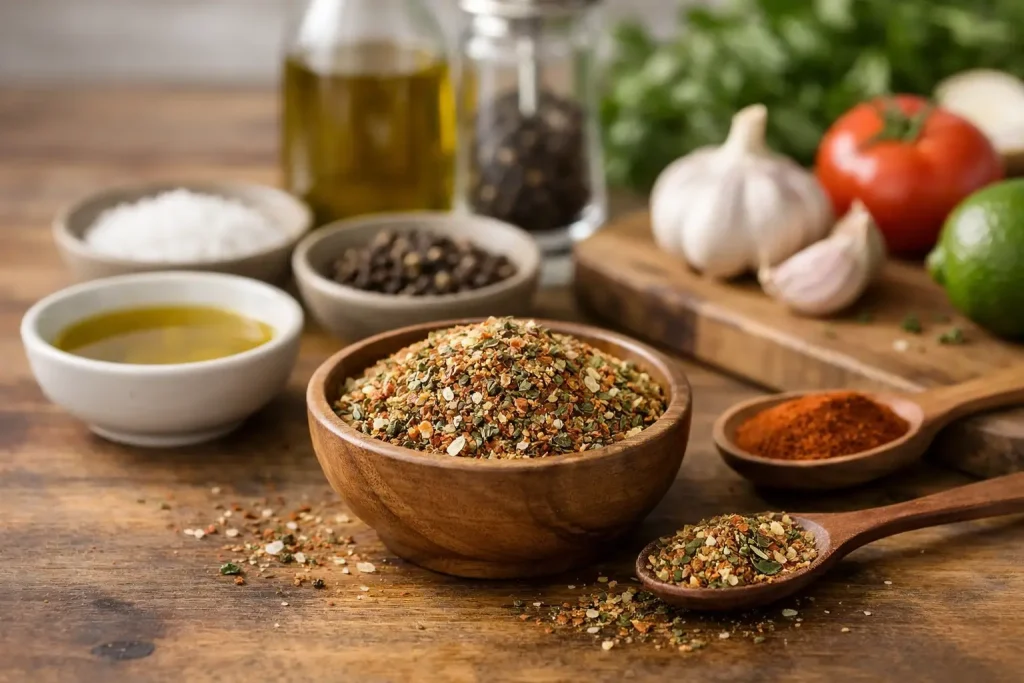
A good all purpose seasoning review should answer one question before anything else: will this bottle make tonight’s food taste better without making every meal taste the same? Home cooks need a dependable reach-for-it blend, whether dinner is chicken on the grill, roasted potatoes, shrimp in a skillet, or a pot of soup that needs a little more life.
The best all-purpose seasonings earn their spot beside the stove because they bring balance, not because they overwhelm the food. They should make a burger taste beefier, vegetables taste brighter, and a simple bowl of rice feel like a real side dish. That is a big job for one shaker, so it pays to know what separates a flavorful, clean-label blend from a dusty salt bomb.
What an All Purpose Seasoning Should Do
An all-purpose blend is not meant to replace every seasoning in your kitchen. Your smoky barbecue rub, peppery lemon blend, and Southwest-style spices all have a moment to shine. The everyday blend has a different role: it gives food a solid, savory foundation when you do not want to measure six jars before cooking.
Think of it as the first layer of flavor. It should have enough salt to season food evenly, enough pepper and aromatics to add character, and enough herbal or savory depth to work across proteins and produce. A steak may still want a bold finish. Fish may still call for citrus. But a versatile blend should get you most of the way there with a few confident shakes.
That flexibility matters most on busy nights. Season chicken thighs, toss the same blend with broccoli, and use a pinch in the pan sauce. The meal tastes connected without being boring. For beginners, it removes guesswork. For experienced cooks, it speeds up the routine work so they can focus on technique, temperature, and getting dinner to the table hot.
All Purpose Seasoning Review: What to Look For
A label tells you plenty before the first taste. Start with the ingredient list, then consider how the blend will behave on the foods you actually cook. A seasoning that is great on fries but disappears on grilled pork chops is not truly all-purpose for every kitchen.
Salt should support the flavor
Salt is usually the backbone of an all-purpose seasoning, but more is not automatically better. An overly salty blend can force you to use less seasoning than you want, which means less garlic, pepper, herbs, and spice reach the food. It can also make it difficult to use the blend in soups, sauces, and brines where salt concentrates as liquid reduces.
Himalayan pink salt is a welcome choice for cooks who appreciate its mineral-rich character and clean flavor. Still, the real test is proportion. A well-built blend lets you season generously enough to taste its personality while keeping control of the dish. This is especially useful when cooking for a family with different sodium preferences.
Freshness is not a small detail
Dried herbs and ground spices do not stay lively forever. When a blend sits too long, its aroma fades first, followed by the warm, savory flavor that made it appealing in the first place. If you open a bottle and smell mostly salt, the blend is already asking too much of your food.
Look for a clear aroma right away. Garlic should smell warm and inviting, pepper should have a little zip, and herbs should smell recognizable rather than dusty. Fresh spices make a noticeable difference on simply cooked food, where there is no heavy sauce to hide a flat seasoning.
Clean ingredients let the food stay in charge
For many home cooks, an all-purpose seasoning is used several times a week. That makes ingredient standards worth caring about. Blends made with organic herbs and spices, non-GMO ingredients, and no MSG, artificial flavors, fillers, or preservatives offer a straightforward way to build flavor without adding mystery to the meal.
That does not mean every clean blend tastes identical or that an ingredient list alone guarantees great cooking. Balance still matters. But a short, recognizable list makes it easier to understand what you are serving and easier to use the seasoning across the whole table, from grilled chicken to roasted cauliflower.
The flavor should have a point of view
Some blends promise versatility and wind up tasting like plain salt with a faint suggestion of pepper. Others go so hard on one spice that they only work in a narrow lane. The sweet spot is a savory, gently peppery profile with enough garlic, onion, herbs, or spices to make food more interesting while leaving room for the main ingredient.
This is where your own cooking style matters. If you mostly smoke ribs and grill burgers, a blend with a stronger pepper presence may be right at home. If you prepare seafood, vegetables, eggs, and lighter meals often, you may prefer something brighter and more herb-forward. There is no universal winner. The best choice is the one that complements the meals you make on repeat.
Put It to Work on Real Food
The most honest review happens in the kitchen, not on the label. Try a new all-purpose seasoning on a few plain foods before using it in a complicated recipe. Those simple tests reveal whether it has true range.
Season roasted potatoes with oil and the blend, then roast until crisp and browned. Potatoes are forgiving, but they expose a blend that is too salty, too bitter, or short on aroma. Next, use it on chicken thighs or pork chops with a little oil. The seasoning should build a flavorful crust without burning before the meat cooks through.
Vegetables offer another useful test. Toss zucchini, green beans, mushrooms, or broccoli with a light coating of oil and seasoning, then roast or sauté. A quality blend should make vegetables taste more like themselves, only more savory and appealing. If it tastes good only when buried under cheese or sauce, it may not be as versatile as the bottle claims.
Finally, add a small pinch to scrambled eggs, rice, or a simple soup. These foods need restraint. If the blend delivers savory depth without turning breakfast or broth into a salt lick, you have found something worth keeping close.
When a Single Blend Is Not Enough
All-purpose seasoning is a strong starting point, not a rule that every dish must follow. Barbecue ribs may need a blend with tang, smoke, or a touch of sweetness. Taco night often benefits from cumin, chile, and a Southwest kick. Seafood can come alive with lemony pepper, while a steak may deserve a bold garlic-and-pepper finish.
That is why a small collection of distinct blends can be more useful than a crowded spice cabinet full of random jars. Use an everyday seasoning for your base, then choose a specialty flavor when the meal calls for it. Heath’s Blends approaches the kitchen that way, with clean, ingredient-conscious blends made for everything from Steak & Taters to Smokin’ Maria-worthy grilling nights.
The goal is not to cover every meal with the same flavor. It is to cook with more confidence. A dependable all-purpose seasoning gives you an easy first move, then lets you decide whether dinner needs smoke, heat, citrus, tang, or nothing more at all.
A Better Measure of Value
Price matters, but value is more than the cost of a bottle. A seasoning that tastes lively in small amounts, works on several meals each week, and keeps you from buying takeout after a long day can earn its place quickly. Premium ingredients may cost more upfront, yet they can be a better buy when the blend is one you actually use rather than another forgotten jar in the cabinet.
Pay attention to how often you reach for it over a few weeks. Does it make weeknight chicken easier? Does it rescue leftover vegetables? Does it give grilled food enough flavor that you are proud to serve it? That is the review that counts.
A great all-purpose seasoning should leave you with more ideas for dinner, not fewer. Keep one within arm’s reach, use it generously where it fits, and let every meal tell you what flavor it wants next.