
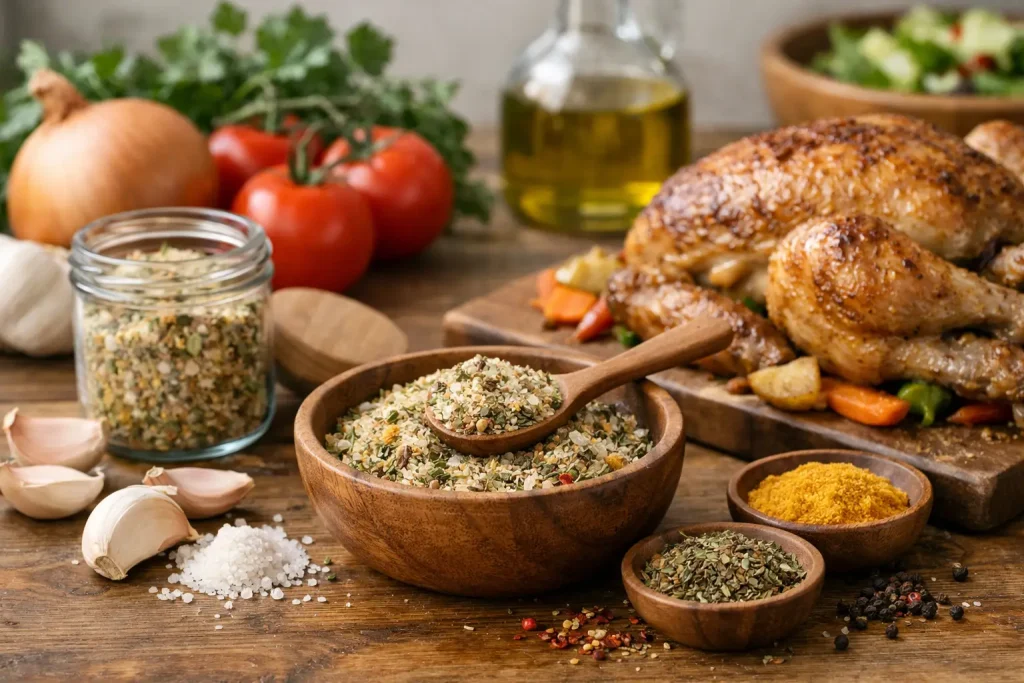
A great seasoning should make you hungry before the pan is even hot. That is the promise of no MSG seasoning done well: real herbs, spices, salt, and savory character that bring out the best in your food without burying it under mystery ingredients.
For home cooks, that matters because seasoning is often the difference between a plain chicken breast and the meal everyone asks for again. You should not need a crowded spice cabinet, a culinary degree, or artificial shortcuts to make dinner taste bold. The right blend gives you a dependable starting point, whether you are firing up the grill, roasting vegetables, simmering soup, or putting together a quick weeknight meal.
What No MSG Seasoning Actually Means
MSG, short for monosodium glutamate, is a flavor enhancer used in many packaged foods and seasoning products. It is known for adding umami, the savory taste associated with foods like mushrooms, aged cheese, tomatoes, and slow-cooked meat. While MSG is widely used and many people choose to eat it, plenty of cooks prefer to leave it out of their pantry.
A no MSG seasoning is simply a blend made without added monosodium glutamate. But that label alone does not tell the whole story. A seasoning can skip MSG and still rely on artificial flavors, excessive sugar, anti-caking agents, fillers, or a salt-heavy formula that tastes one-dimensional.
The better question is: what is in the bottle instead? Look for recognizable herbs and spices, thoughtfully selected salt, and ingredients that earn their place in the blend. A clean label should still lead to a lively plate. In fact, it should make it easier to taste the pepper, garlic, paprika, citrus, chile, herbs, and natural sweetness of the food itself.
Why Ingredient Simplicity Makes Food Taste Better
When a blend starts with quality ingredients, you get more control in the kitchen. You can season a steak generously without worrying that an artificial flavor will take over. You can add it to roasted broccoli, fish tacos, or a pot of beans and know the flavor will feel at home.
Fresh spices bring aroma as well as heat or sweetness. Garlic adds depth. Black pepper offers a warm bite. Paprika can bring earthiness and color. Lemon pepper wakes up seafood and vegetables. Salt helps all of those flavors come forward, which is why the type and amount of salt in a blend matter so much.
At Heath’s Blends, that purity-first approach means building flavor with organic herbs and spices, non-GMO ingredients, Himalayan pink salt, and no MSG, nuts, artificial flavors, fillers, or preservatives. It is a straightforward standard with a delicious goal: make everyday cooking taste more like something you planned all day to eat.
There is a practical benefit, too. A well-balanced blend saves time. Instead of measuring five or six jars while your skillet heats up, you have a reliable flavor base ready to go. That does not make cooking less personal. It gives you more room to focus on doneness, texture, and the people waiting at the table.
How to Choose a No MSG Seasoning
Start with the ingredient panel, not the marketing on the front of the bottle. The ingredients should read like food and spices you recognize. Salt, pepper, garlic, onion, chile, herbs, paprika, citrus, and other real seasonings are all familiar building blocks.
Next, think about how you cook most often. A pepper-forward blend is a natural partner for steak, burgers, potatoes, eggs, and grilled mushrooms. A tangy barbecue blend works beautifully on ribs, chicken thighs, pulled pork, and even roasted cauliflower. Bright lemon and pepper flavors shine on shrimp, salmon, asparagus, and chicken.
Versatility is valuable, but a blend does not have to do everything. A bold Southwest-style seasoning may be exactly what you want for tacos, fajitas, corn, chili, and grilled vegetables, while a savory garlic-and-pepper blend may become your everyday workhorse. Keep a couple of distinct profiles around and let dinner decide.
Also consider salt level. If you brine meat, use salty sauces, or are watching sodium, choose a blend that lets you season with intention. You may use less blend on a pre-brined pork chop than on plain roasted potatoes. Taste and adjust as you cook. Great seasoning supports your food, not a rigid rule.
Getting the Most From Your Seasoning
The easiest way to get better results is to season earlier when you can. For steaks, chops, chicken, and larger cuts, apply your blend 20 to 40 minutes before cooking. This gives the salt time to begin working on the surface and lets the spices cling more evenly. For quick-cooking seafood, vegetables, and eggs, seasoning right before cooking is usually plenty.
Use enough to create an even coating, not a dusty patchwork. On a pound of chicken or vegetables, begin with about 1 to 2 tablespoons of seasoning, depending on the blend and your taste. Toss with a little oil first when roasting vegetables or grilling lean proteins. The oil helps spices adhere and encourages good browning.
Heat changes spices. On a hot grill, spices can toast quickly and become more intense. In a slow-cooked soup or braise, the flavors have time to mellow and spread through the dish. That means the same no MSG seasoning may taste different on a seared burger than it does in a pot of white beans. This is not a flaw. It is one reason a good blend can earn a permanent place in your kitchen.
For soups, sauces, and chili, add part of the seasoning early so the flavors can bloom, then taste near the end and add a small final pinch if needed. That finishing touch keeps the aroma bright. For grilled meat, try the opposite approach: apply most of the blend before cooking, then finish with a light sprinkle after resting for an extra pop of flavor.
Everyday Foods That Deserve More Than Plain Salt
No MSG seasoning is not just for weekend barbecue. It belongs in the small cooking moments that keep a household fed and happy. Stir a savory blend into scrambled eggs. Shake a bright, peppery blend over avocado toast. Toss popcorn with a little melted butter and a tangy seasoning. Add a pinch to canned beans, rice, cottage cheese, or a simple vinaigrette.
Vegetables are especially generous with seasoning. Broccoli, green beans, zucchini, carrots, sweet potatoes, and cauliflower all become more exciting when roasted with oil and a blend that has garlic, pepper, herbs, or a little chile. The edges caramelize, the spices become fragrant, and suddenly the side dish disappears first.
For protein, match the blend to the mood of the meal. Use a steakhouse-style profile on burgers and ribeyes. Go smoky and tangy on chicken wings or pork tenderloin. Reach for lemon pepper on salmon, shrimp, or grilled chicken. Bring in Southwest flavor for turkey burgers, sheet-pan fajitas, or black bean bowls. It is amazing what spice can do when the ingredients are allowed to speak clearly.
Flavor Without the Guesswork
Choosing no MSG seasoning is not about settling for less savory food. It is about deciding where your flavor comes from. Real spices have personality. They can be smoky, sharp, citrusy, earthy, sweet, herbal, or fiery, and they give you a meal that tastes like actual cooking rather than a single loud note.
Keep your blends tightly capped and away from heat, steam, and direct sunlight. A cabinet near the stove may be convenient, but the heat can fade delicate aromas over time. When you open a bottle, take a quick smell. If it smells bright and inviting, it is ready to work. If the aroma has gone flat, fresh seasoning will make a noticeable difference.
Tonight, pick one ordinary thing on your menu – potatoes, chicken, green beans, or a burger – and give it a generous, thoughtful layer of flavor. Good food does not need to be complicated. It just needs a seasoning worth reaching for.