
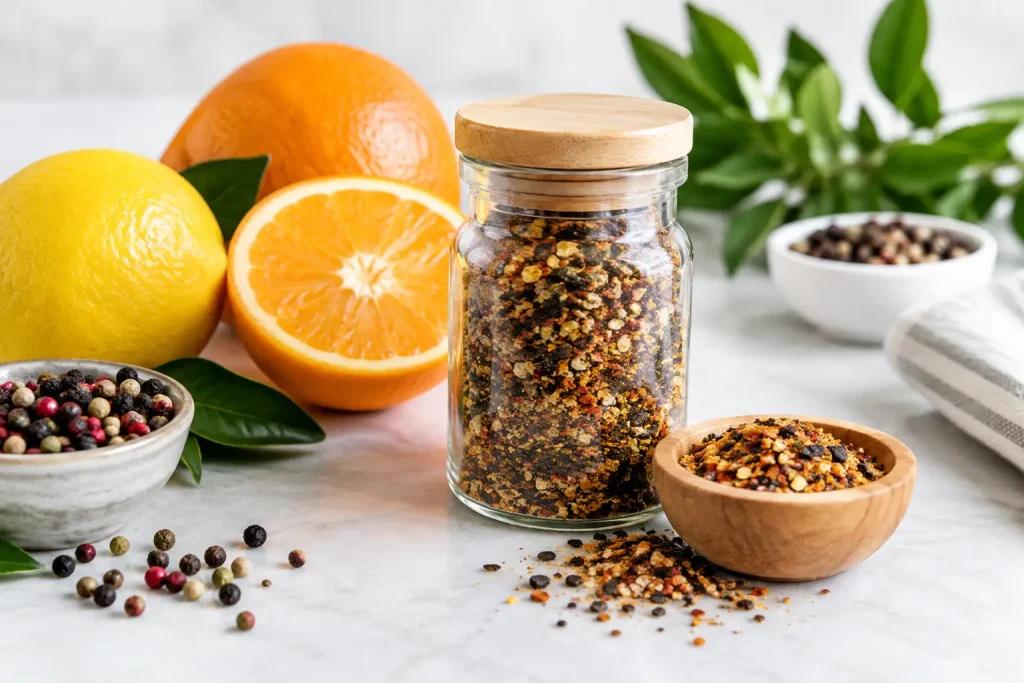
A good citrus pepper blend should make chicken, shrimp, vegetables, and even a simple bowl of rice taste like somebody paid attention. That is the standard behind this citrus pepper blend review: not whether a seasoning smells exciting in the jar, but whether it brings bright citrus, peppery warmth, and dependable flavor to the food on your plate.
Citrus and black pepper are a natural team. Citrus wakes up rich foods with a clean, sunny lift, while pepper adds savory bite and a little heat. The trick is balance. Too much salt and the blend tastes flat. Too much citrus can turn sharp or perfume-like. Too much pepper can bury the fresh flavor you were hoping for.
What a Citrus Pepper Blend Should Taste Like
The first shake should smell lively, not dusty. You want to notice citrus right away, followed by the warm, familiar aroma of cracked pepper and supporting herbs or spices. A quality blend should not smell like one giant hit of salt with a faint lemon note hiding behind it.
On food, citrus pepper should be bright without tasting sour. Think of the clean lift that makes grilled fish feel lighter, or the way a squeeze of lemon makes roasted broccoli more tempting. A well-built blend creates that effect while bringing more depth than citrus alone can provide.
Pepper matters just as much. Fine pepper disappears quickly, while a blend with a little texture gives grilled meats, roasted potatoes, and vegetables a more satisfying finish. The heat should build gently rather than blast away the flavors of the meal. This is seasoning, not a dare.
Salt is the piece that decides whether you can use the blend freely. A heavily salted formula may work as a finishing touch, but it can become difficult to manage in soups, marinades, or larger family meals. A balanced blend gives you room to season confidently. Himalayan pink salt, used with a thoughtful hand, brings a clean savory foundation without making every bite taste aggressively salty.
Citrus Pepper Blend Review: Ingredients Matter
The ingredient panel tells you a lot before dinner ever hits the grill. Citrus pepper seasoning does not need artificial flavors, fillers, preservatives, or MSG to taste memorable. Real herbs, spices, citrus elements, and quality salt can do plenty of heavy lifting.
Citrus is also where shortcuts show up. Some blends lean so hard on artificial-tasting lemon flavor that they come across like a cleaning product instead of something you want on salmon. Others use citrus merely as a label claim, with so little brightness that the pepper dominates. The best middle ground tastes fresh and natural, with a rounded citrus character that supports the food instead of coating it.
For households that care about what goes into every meal, organic herbs and spices and non-GMO ingredients are more than nice words on a label. They are part of cooking with intention. You are using the seasoning on the foods your family eats often, from Tuesday-night chicken thighs to the vegetables beside a holiday roast. Clean, recognizable ingredients make that everyday choice easier.
Freshness makes a difference, too. Citrus aromas fade over time, and pepper loses its edge once it has spent too long on a shelf. A blend can have an excellent recipe and still disappoint if it arrives tired and muted. Keep the jar tightly sealed in a cool, dry cabinet, away from the steam of the stove, and use it often enough to enjoy its full character.
Where Citrus Pepper Really Earns Its Place
Seafood is the obvious place to start, and for good reason. Toss shrimp with olive oil and citrus pepper before a quick sauté, or season salmon just before it goes into the oven. The blend gives seafood a fresh finish without requiring a long ingredient list. For scallops, use a lighter hand so their natural sweetness stays in front.
Chicken is another easy win. Season wings before grilling, sprinkle it over a whole roasted chicken, or add it to chicken tenders for a family-friendly dinner that tastes more interesting than plain salt and pepper. If you are cooking skin-on chicken, let the blend sit for 20 to 30 minutes before cooking so the flavor has time to settle into the surface.
Vegetables may be the biggest surprise. Citrus pepper brings snap to roasted asparagus, green beans, zucchini, cauliflower, and Brussels sprouts. Coat the vegetables lightly in oil, season them before roasting, then add a small second pinch after they come out of the oven if they need more brightness. It is amazing what spice can do for a sheet pan of vegetables that usually gets ignored.
Potatoes, rice, pasta, and beans also welcome this kind of flavor. Try it on crispy breakfast potatoes, buttered corn, white beans with olive oil, or a simple pasta with parmesan. The blend is especially useful when a side dish tastes fine but feels like it needs one more thing.
For grilling, citrus pepper works best when you consider the cook time. On fast-cooking shrimp, fish, burgers, and chicken cutlets, it can go on before the food hits the heat. On ribs, brisket, or anything spending hours in the smoker, use it as one layer in a broader rub or save some for the finish. Bright citrus notes can soften during a long cook, so a final dusting brings them back to life.
How Much Should You Use?
Start with enough seasoning to lightly cover the surface rather than bury it. For one pound of chicken, shrimp, or vegetables, one to two teaspoons is a practical starting point. Add oil first when appropriate, especially for grilling or roasting, because it helps the spices cling evenly.
Taste and adjust at the end. That advice sounds simple, but it is the difference between food that is pleasantly seasoned and food that tastes like the lid came off the jar. If the dish includes salty cheese, broth, soy sauce, cured meat, or a store-bought sauce, begin with less. You can always add more citrus pepper at the table.
Citrus pepper can also be a smart finishing seasoning. Stir a small pinch into melted butter for corn or lobster. Mix it into sour cream or Greek yogurt for a quick dip. Shake it over avocado toast, eggs, or a bowl of popcorn when you want snack food with a little more personality.
When a Different Blend Makes More Sense
Citrus pepper is versatile, but it is not the answer to every meal. If you want smoky depth for ribs, brisket, or pulled pork, choose a blend built around barbecue spices and smoke-forward flavor. When taco night calls for chile warmth, cumin, and garlic, a Southwest-style blend will bring the right direction. For a thick steak, a more savory pepper-and-garlic blend may be the better match.
That does not make citrus pepper less useful. It simply makes it a reliable specialist: bright enough for seafood and vegetables, peppery enough for chicken and pork, and flexible enough to wake up everyday sides. A well-stocked spice cabinet is not about owning the most jars. It is about having the right flavor ready when dinner needs help.
At Heath’s Blends, that practical versatility is why blends such as Peppery Lemon belong in the conversation. The goal is not to make home cooking complicated. It is to give good ingredients a cleaner, bolder finish without asking you to measure six separate spices after a long day.
The best test is a simple one: season something you already cook every week. Roast your usual vegetables, grill your usual chicken, or sauté your usual shrimp. If the citrus pepper blend makes that familiar meal feel brighter, more craveable, and worth making again, keep the jar within reach.