
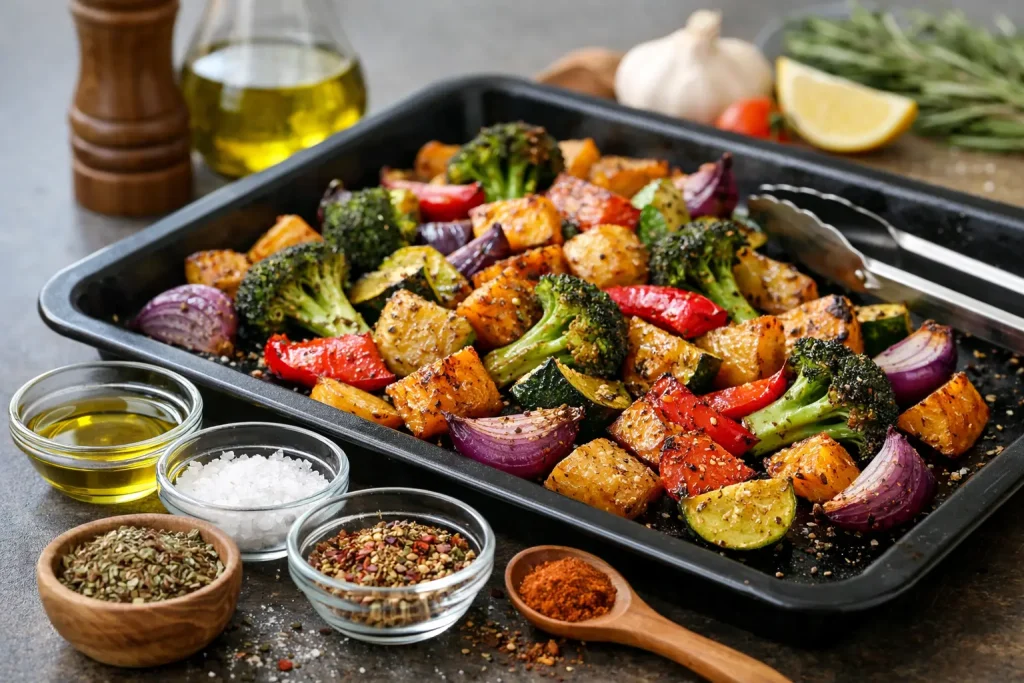
A sheet pan of vegetables should never taste like a side dish you had to get through. The right seasoning for roasted vegetables turns broccoli crisp at the edges, gives sweet potatoes a savory crust, and makes zucchini worth reaching for before the main course. Great roasting starts with good produce and high heat, but it is the balance of salt, herbs, spices, and acidity that gives every bite its reason to be there.
The best part is that you do not need a cabinet full of half-used spice jars to make vegetables exciting. A dependable blend, a little oil, and a few smart choices about timing can bring restaurant-caliber flavor to weeknight dinners, cookouts, and holiday tables.
What Makes Seasoning for Roasted Vegetables Taste So Good?
Roasting concentrates a vegetable’s natural sugars. Carrots become sweeter, Brussels sprouts turn nutty, cauliflower picks up a toasty edge, and peppers soften into something almost jammy. Your seasoning should support those changes instead of covering them up.
Salt is the foundation. It pulls flavor forward and helps a simple vegetable taste more like itself. Herbs add lift, while spices bring warmth, smoke, peppery bite, or a little Southwest-style energy. A bright finish, such as lemon or vinegar, can keep richer roasted flavors from feeling heavy.
There is a trade-off, though. Delicate dried herbs and sugars can burn during a long roast, especially at temperatures above 425°F. Blends with garlic, onion, pepper, paprika, and sturdy herbs are usually built for the oven. Save fragile fresh herbs, flaky salt, citrus zest, and cheese for the last few minutes or for serving.
Start With the Roast, Not Just the Blend
Even the best seasoning cannot rescue crowded, wet vegetables. Moisture is the enemy of browning. Wash produce ahead of time, then dry it thoroughly. Cut pieces into similar sizes so they finish together, and use a large pan with enough room for air to circulate.
Toss vegetables with oil before adding seasoning. The oil helps herbs and spices cling to the surface and encourages those golden, caramelized edges everyone fights over. For most vegetables, use just enough oil to lightly coat them. Too much can make the pan greasy and soften the texture you wanted.
Roast at 400°F to 425°F for most weeknight vegetables. Tender choices like asparagus, green beans, zucchini, and bell peppers often do well closer to 400°F. Dense vegetables such as potatoes, carrots, parsnips, beets, and winter squash can take 425°F and a longer cook. Turn the vegetables once if needed, but do not keep opening the oven door. Let the heat do its work.
Four Flavor Directions That Always Earn Their Place
Bright and peppery for green vegetables
Broccoli, asparagus, green beans, and Brussels sprouts love a lively, pepper-forward profile. Garlic, black pepper, lemony notes, and a clean salt finish sharpen the vegetables’ natural green flavor without making them taste flat or bitter.
Try this direction when fish, chicken, or a simple grilled meal is on the menu. Toss the vegetables with oil and seasoning before roasting, then finish with fresh lemon juice after they come out of the oven. The post-roast squeeze matters because high heat can dull citrus flavor.
Smoky and savory for cauliflower and mushrooms
Cauliflower and mushrooms have a savory depth that welcomes smoke, paprika, garlic, onion, and a little pepper. These are the vegetables to serve when you want a meatier feel on the plate, whether they are part of a vegetarian dinner or sitting beside ribs and burgers.
A smoky blend works especially well with cauliflower florets roasted until deeply browned. Give mushrooms plenty of space, too. They release water early in the cook, then begin to brown once that moisture evaporates. Patience is what takes them from soft to seriously satisfying.
Southwest heat for corn, peppers, and sweet potatoes
Sweet potatoes, corn, red onions, and bell peppers can handle bolder flavor. Cumin, chili, garlic, paprika, and pepper create the kind of warm, savory crust that belongs in tacos, grain bowls, breakfast hashes, or beside grilled steak.
Heat should be adjustable, not a test of courage. If your household likes mild food, start with a modest coating and add a pinch more after roasting. If you want more fire, pair the vegetables with fresh jalapeño, hot sauce, or a spicy finish at the table. This gives everyone control without losing the flavor base.
Tangy and herbaceous for potatoes and root vegetables
Potatoes, carrots, parsnips, and squash can take a more assertive seasoning because they are dense, starchy, and naturally sweet. Tangy notes, garlic, herbs, and cracked pepper keep them balanced. This is a particularly good route for a roast chicken dinner, a holiday spread, or a pan of vegetables headed straight to the grill.
For extra-crisp potatoes, rinse cut pieces to remove excess surface starch, dry them very well, then coat with oil and seasoning. Roast them cut-side down when possible. You will get more contact with the hot pan and more of those irresistible browned corners.
How Much Seasoning Should You Use?
For a standard sheet pan holding about 1 to 1 1/2 pounds of vegetables, begin with 1 to 2 tablespoons of oil and roughly 1 to 2 teaspoons of seasoning. The exact amount depends on the blend, the salt level, and the vegetable itself. Mild zucchini needs less than a pan of potatoes, and a salt-forward blend should be used with a lighter hand than a salt-free herb mix.
Toss everything in a bowl rather than sprinkling directly on the pan. You will get more even coverage and fewer patches of bare vegetable. Taste after roasting when it is safe to do so. If the vegetables need more brightness, add lemon. If they need more flavor, add another light dusting of seasoning while they are hot.
When to Season Before, During, and After Roasting
Most dry seasoning belongs on vegetables before they go into the oven. That gives spices time to bloom in the oil and adhere to the surface. But layering flavor is what makes a simple pan taste intentional.
Season before roasting for the savory base. Add a second small pinch halfway through only if the pan looks dry or the vegetables are especially dense. Finish after roasting with fresh herbs, citrus, grated Parmesan, a drizzle of balsamic glaze, or a final dusting of your blend. The contrast between cooked spice and fresh finishing flavor is a small move with a big payoff.
Be careful with blends that contain sugar. They can be delicious on carrots, sweet potatoes, and squash, but roast them at the lower end of the temperature range or add them toward the end. Sugar browns quickly and can cross into burnt before dense vegetables are tender.
Clean Ingredients Make Everyday Cooking Easier
When you roast vegetables often, ingredient quality is not a small detail. A blend made with organic herbs and spices, Himalayan pink salt, and no MSG, fillers, artificial flavors, or preservatives gives you a straightforward way to build flavor without wondering what else made it into the jar.
Heath’s Blends makes it easy to match the mood of the meal, from the bright kick of Peppery Lemon to the warm, lively personality of Southwest Sizzler or the smoky pull of Smokin’ Maria. One good blend can do more than season a side dish. It can turn leftover vegetables into a breakfast hash, fill a taco, or make a grain bowl feel like dinner instead of an afterthought.
A Better Way to Build a Roasted Vegetable Plate
Instead of roasting one vegetable at a time, pair vegetables with similar cooking needs. Broccoli and red onion work beautifully together. Carrots and parsnips roast at about the same pace. Cauliflower and chickpeas can share a pan, though the chickpeas benefit from being dried well first.
If cook times differ, give the denser vegetable a head start. Put potatoes or carrots in the oven for 10 to 15 minutes before adding quicker-cooking zucchini or peppers. That one adjustment prevents the familiar problem of burned tender vegetables next to undercooked roots.
Serve the finished vegetables hot, when the edges are crisp and the seasoning is most aromatic. Keep a favorite blend near the stove, trust your nose, and do not be afraid to make a little extra. A well-seasoned sheet pan has a way of disappearing long before dinner is officially over.