
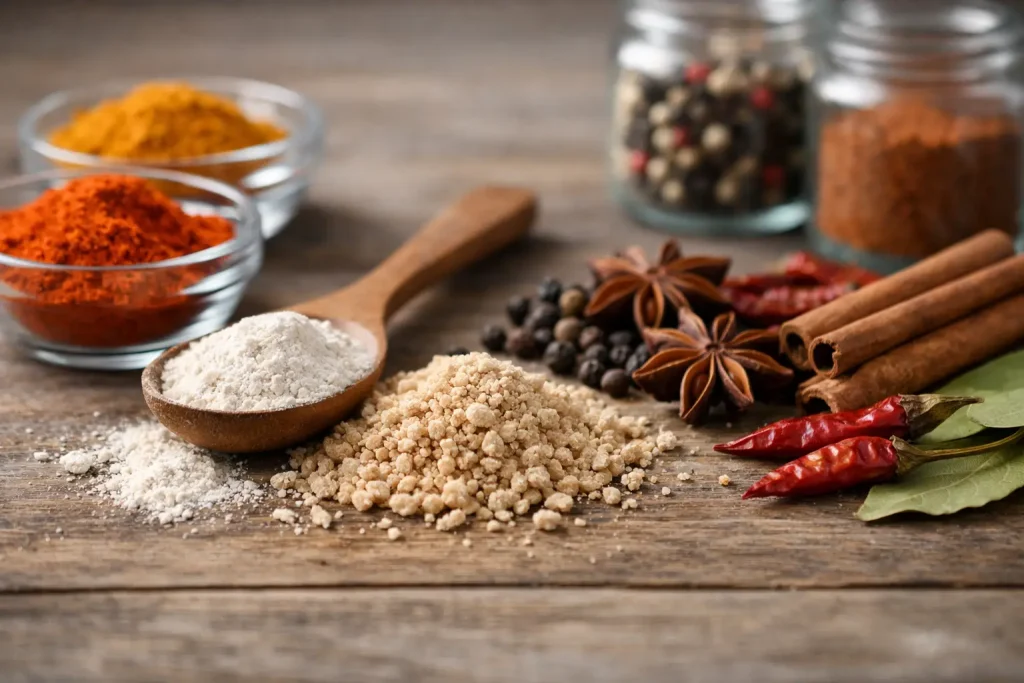
A pinch of seasoning should make grilled chicken, roasted vegetables, or a pot of chili taste more like itself – not leave you guessing what else made it into the jar. So, do spices contain artificial fillers? Sometimes, especially in prepared seasoning blends, but not every additive is the same and not every product labeled “spices” is built the same way.
For cooks who care about clean ingredients, the answer is less about fearing every unfamiliar word and more about learning to read a label with confidence. A great seasoning should earn its place in the pantry with fresh flavor, straightforward ingredients, and a job it does beautifully on the plate.
Do spices contain artificial fillers?
Pure, single-ingredient spices such as black pepper, cumin, paprika, oregano, or cinnamon generally should contain that ingredient and nothing more. When you buy a jar labeled simply “ground cumin,” the expectation is refreshingly simple: cumin is what you are getting.
The picture can change with seasoning blends. A taco seasoning, barbecue rub, lemon pepper blend, or all-purpose shaker may include salt, sugar, starches, anti-caking agents, flavorings, preservatives, and other ingredients alongside herbs and spices. Some are there for a practical reason. Others are used to lower cost, add bulk, extend shelf life, prevent clumping, or create a very specific flavor profile.
“Filler” is a consumer term, not a precise legal category. In everyday cooking, people often use it to describe an ingredient that adds volume without bringing much meaningful flavor to the meal. That can include starches, flour, maltodextrin, or large amounts of salt and sugar in a blend where you expected a fuller spice profile.
Artificial fillers are a more specific concern. They may refer to synthetic ingredients or highly processed additions that do not serve the flavor-first purpose many home cooks want from seasoning. The key is to look past front-label promises and see what is actually in the ingredient statement.
Ingredients that deserve a closer look
An ingredient list is not a pop quiz. It is simply the clearest window into what you are shaking over dinner. Start with the first few ingredients, since they are typically listed in order of greatest amount by weight.
If a steak rub begins with salt, sugar, or a starch and the actual spices appear farther down, that does not automatically make it a bad product. It may still taste good, and it may be designed for a particular cooking method. Sugar, for example, can help create a caramelized crust on ribs or pork chops. The trade-off is that high-sugar blends can burn over intense heat, and they may not be the best match for a hot cast-iron sear.
Watch for ingredients such as maltodextrin, modified food starch, flour, or vague terms that do not tell you much about the blend’s flavor base. These can add body or help carry seasonings evenly, but they can also dilute the herbs and spices you are paying for.
Anti-caking agents are another category worth understanding. A small amount of an ingredient such as silicon dioxide may be used to help a seasoning flow freely from the shaker, especially in humid kitchens. It is an additive, but it is not necessarily what most people mean by an artificial filler. Whether you choose to avoid it is a personal ingredient-standard decision. What matters is that it is clearly declared and that the product still delivers real flavor.
Flavoring language needs a little nuance, too. “Artificial flavors” signals that the flavor was created from synthetic sources. “Natural flavors” does not mean the product is a whole-spice blend, and it may not tell you exactly what flavor components are involved. If you want to know precisely what is seasoning your food, blends made from recognizable herbs, spices, salt, and other plainly named ingredients are usually the easier choice.
Salt, sugar, and starch are not automatically the enemy
A seasoning blend does not have to be only dried herbs and spices to be worthwhile. Salt brings food into focus. A touch of sugar can balance heat, tang, smoke, or bitter notes. Garlic, onion, citrus, vinegar powder, and chile peppers each bring something deliciously useful to the party.
The question is whether those ingredients have a culinary purpose and whether the formula fits the way you cook. A salt-forward blend can be handy for quick weeknight chicken or vegetables, but you may want a lower-salt option if you are seasoning a sauce, soup, or long braise that will reduce. A sweet barbecue rub can be perfect for low-and-slow cooking, yet less forgiving over a screaming-hot grill.
The same goes for starch. In a packet seasoning meant to thicken a skillet sauce, starch has a clear function. In a premium everyday spice blend intended to bring bright, bold flavor to fish, potatoes, burgers, and vegetables, many cooks prefer to skip unnecessary bulk and let the spices do the talking.
How to choose seasoning blends with confidence
The quickest way to shop smarter is to compare the front of the package with the ingredient list on the back. “No artificial flavors” is useful, but it does not necessarily mean no fillers, no preservatives, no MSG, or no added sugar. Each claim answers a different question.
Look for a short, understandable list that matches the flavor promise. If the blend says peppery lemon, you might expect pepper, lemon-forward ingredients, salt, garlic, and complementary herbs or spices. If it says Southwest, chiles, cumin, garlic, onion, and warm spices would make sense. The formula does not have to be tiny, but it should feel intentional.
It also helps to consider your own kitchen. If a family member avoids gluten, check whether a blend contains flour or is made in a way that raises a concern. If you are reducing sodium, remember that Himalayan pink salt is still salt, even though it brings its own appealing color and mineral character. If you avoid MSG, look for a direct no-MSG statement and read the full ingredient list rather than relying on a broad “natural” claim.
Organic and non-GMO positioning can be meaningful standards for many shoppers, but neither term automatically guarantees a filler-free blend. A product can be organic and still contain ingredients you would rather avoid. The strongest signal is a label that combines quality sourcing with clear, direct disclosure.
Freshness is part of the value
Sometimes a blend disappoints not because it contains a filler, but because the spices have been sitting around too long. Dried herbs and spices do not spoil like fresh meat or dairy, yet their aroma and flavor fade. A jar of tired paprika or flat oregano can make even a clean ingredient list feel underwhelming.
When you open a seasoning, it should smell alive. Black pepper should have a warm bite. Citrus-forward blends should smell bright. Chile blends should have a tempting, earthy heat. If the aroma is faint, you will likely keep adding more seasoning to chase flavor that is no longer there.
Store spices away from heat, steam, and direct sunlight. The cabinet beside the stove may be convenient, but it is not ideal for protecting delicate herbs and spices. Use a dry measuring spoon rather than shaking directly over a steaming pan, which can introduce moisture into the container and encourage clumping.
Make the label work for your meal
There is no single “best” seasoning formula for every recipe. The right choice depends on whether you are building a crust on a steak, seasoning shrimp for the grill, waking up roasted broccoli, or adding depth to a big pot of beans. Clean labels matter, but flavor and fit matter too.
That is why blends made with recognizable organic herbs and spices, Himalayan pink salt, and no artificial flavors, fillers, preservatives, MSG, or nuts appeal to so many everyday cooks. Heath’s Blends is built around that kind of straight-ahead ingredient standard, with bold options that can move from burgers and ribs to seafood, vegetables, soups, and whatever else is on the menu.
The next time you reach for a seasoning, give the label a quick read before the first shake. Choose the blend that makes sense for your food, your preferences, and your heat level – then let a few good ingredients make dinner taste like you meant it.