
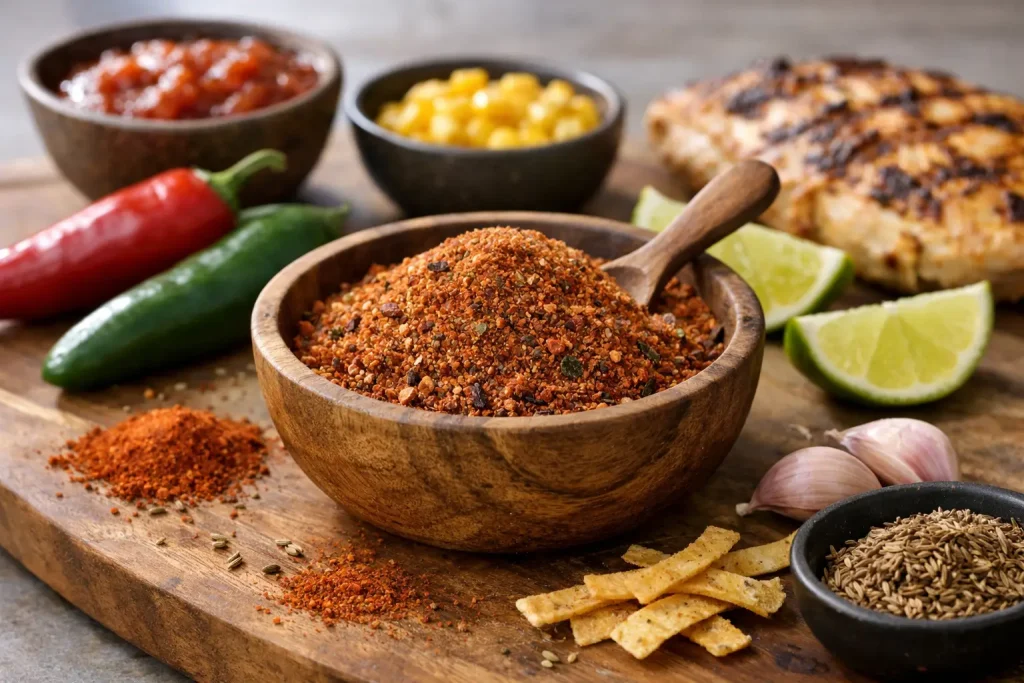
A great southwest seasoning blend earns its spot near the stove because it does more than make food spicy. It brings warmth, savory depth, a little smoky character, and the kind of lively flavor that turns plain chicken, roasted vegetables, or a pot of beans into something the whole table notices. One shake can make a Tuesday night dinner feel a lot less routine.
The secret is balance. Southwest-inspired cooking should have character, but it should not steamroll the food underneath. Whether you are firing up the grill, building taco bowls, or trying to get the kids excited about vegetables, the right blend gives you a dependable starting point without asking you to measure six separate jars of spices.
What Makes a Southwest Seasoning Blend Taste So Good?
Southwest flavor is often associated with chile peppers, cumin, garlic, onion, paprika, herbs, and salt. Each one brings something useful to the plate. Chile provides heat, of course, but also earthy and fruity notes. Cumin supplies its unmistakable toasted, nutty aroma. Garlic and onion round things out with savory flavor, while paprika can add color, sweetness, or a subtle smoky edge.
A well-made blend is not simply a hot blend. Heat is only one part of the experience. Some meals call for a gentle background warmth, especially when you are seasoning fish, eggs, corn, or creamy sauces. Others can handle a bolder hand, like grilled skirt steak, pork shoulder, burgers, or a tray of loaded nachos. The beauty of a versatile blend is that you control the intensity by controlling the amount you use.
Salt matters, too. It is not just there to make food taste salty. Salt helps bring forward the natural flavor of meat, vegetables, beans, and grains. A clean blend made with quality herbs, spices, and Himalayan pink salt gives home cooks a shortcut to fuller flavor without relying on artificial flavors, MSG, fillers, or preservatives.
Start With the Food, Not the Measuring Spoon
The best way to use a southwest seasoning blend is to think about what you are cooking and how much surface area it has. A thin chicken cutlet needs less seasoning than a whole roasting chicken. Ground beef can take a generous coating because the seasoning gets mixed throughout. A delicate piece of white fish needs a lighter touch and a little oil or butter to help the spices cling.
For proteins, pat the surface dry first. Add a light coating of oil, then season evenly on both sides. Let chicken, pork, or steak sit for 15 to 30 minutes before cooking if time allows. This gives the spices a chance to settle into the surface. For thicker cuts, you can season a few hours ahead, but do not feel like every meal needs a long marinade. Good seasoning should work when dinner is happening now.
With vegetables, toss first with oil, then season before roasting, grilling, or air frying. The oil helps the blend adhere while high heat caramelizes the vegetables and mellows the spices. Sweet potatoes, cauliflower, zucchini, bell peppers, onions, corn, and mushrooms all love Southwest flavor.
Beans, rice, soups, and sauces work a little differently. Add seasoning in stages. Start with a modest amount while cooking, then taste near the end and adjust. Liquid dishes can concentrate as they simmer, so it is easier to build flavor than to pull it back.
Easy Ways to Put Southwest Flavor on the Table
A southwest seasoning blend is at its best when it makes familiar food feel fresh again. Try it on chicken thighs before grilling, then slice them over a salad with avocado, tomatoes, black beans, and a bright squeeze of lime. Use it to season ground turkey or beef for tacos, but do not stop there. Stir that same taco filling into stuffed peppers, breakfast hash, quesadillas, or a skillet of rice and beans.
For seafood night, season shrimp with oil and a light dusting of spices before a quick trip to a hot skillet. Add it to warm tortillas with shredded cabbage and a creamy lime sauce. For firmer fish such as salmon or mahi-mahi, season just before cooking and finish with citrus. The contrast between savory chile-cumin notes and fresh lime is hard to beat.
Grill fans can use the blend as a dry seasoning for burgers, wings, ribs, and pork chops. If you are using a sugary barbecue sauce, season with a lighter hand so the final result stays balanced. If your sauce is tangy rather than sweet, you can be more generous with the spices. There is no single correct amount – the right level depends on the cut, the cooking method, and what else is on the plate.
It also has a place at breakfast. Sprinkle it over scrambled eggs, breakfast potatoes, or a skillet of black beans. Mix a pinch into Greek yogurt or sour cream for a fast topping with a cool, savory kick. These small moves are how one jar goes from being a taco-night ingredient to an everyday kitchen favorite.
Build Layers Instead of Adding More Heat
When food tastes flat, the answer is not always another shake of seasoning. A Southwest-style meal usually comes alive when it has a few contrasting elements. Think rich avocado against charred chicken, sweet corn against earthy spices, or creamy cheese against a bright tomato salsa. Acid is especially helpful. A squeeze of lime, a spoonful of salsa verde, or a splash of vinegar at the end can sharpen everything up.
Texture counts just as much. Add toasted pepitas to a salad, crisp tortilla strips to soup, or shredded cabbage to tacos. A bowl of seasoned rice and beans becomes far more satisfying with roasted peppers, fresh cilantro, and a crunchy topping. The seasoning establishes the foundation, while these finishing touches make the meal feel complete.
This is also where a clean ingredient list matters. When a blend is made with real herbs and spices, you can layer it with fresh ingredients without fighting an overly artificial or one-note flavor. At Heath’s Blends, that flavor-first approach means using organic herbs and spices, non-GMO ingredients, Himalayan pink salt, and no MSG, nuts, fillers, artificial flavors, or preservatives.
A Few Mistakes That Can Mute the Flavor
The most common mistake is seasoning after food has already finished cooking. A final sprinkle can be tasty, especially on fries or popcorn, but spices develop a deeper, rounder flavor when they meet heat and fat during cooking. Season before roasting, grilling, sautéing, or searing whenever possible.
Another issue is crowding the pan. If chicken, shrimp, or vegetables are packed too tightly, they steam instead of brown. The seasoning is still there, but you miss out on the caramelized edges that make Southwest flavors shine. Cook in batches or use a larger sheet pan when you can.
Finally, watch the salt in the rest of the recipe. If you are adding salty cheese, canned beans, broth, chips, or a bottled sauce, taste before adding extra salt. A quality blend should make seasoning easier, not turn dinner into a guessing game.
Keep It Handy for More Than Taco Night
A southwest seasoning blend belongs in the same regular rotation as your favorite barbecue rub or all-purpose garlic blend. Keep it within reach for sheet-pan dinners, grilled proteins, soups, chili, roasted vegetables, dips, and quick skillet meals. It is a practical way to make cooking feel more generous without making it more complicated.
Tonight, try it on whatever is already in the fridge. A few chicken thighs, a can of beans, some peppers, and a hot pan can become a meal worth repeating – and that is amazing what spice can do.