
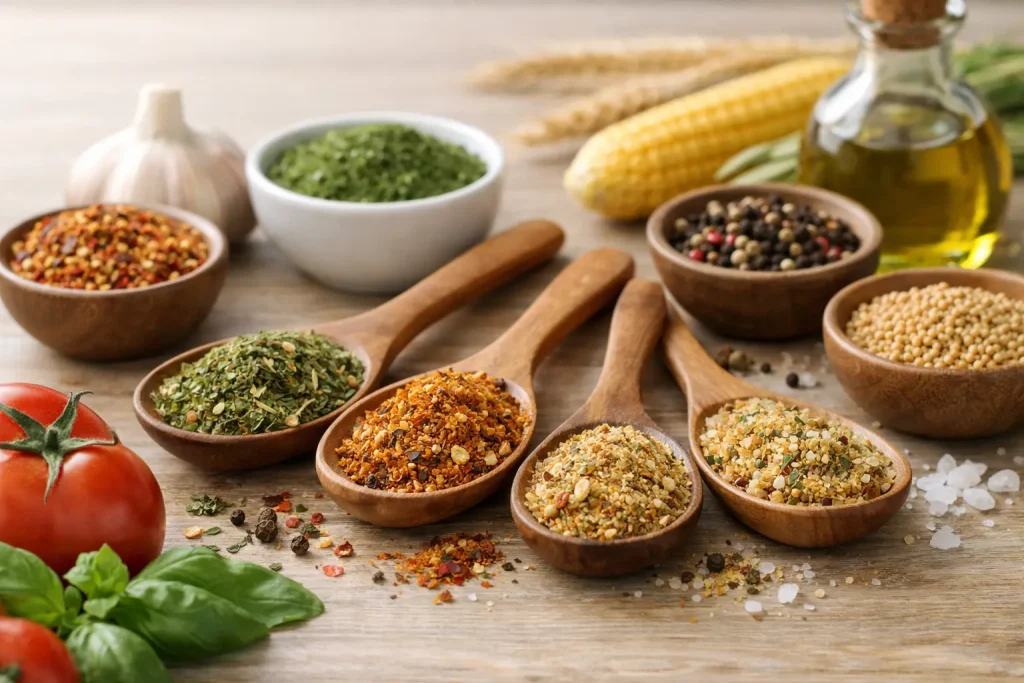
A great grilled steak should taste like steak, not like a science experiment. The same goes for roasted vegetables, a pot of chili, crispy chicken, or a simple piece of salmon. That is why more home cooks are reaching for non GMO seasoning blends that bring bold flavor to the plate while keeping the ingredient list refreshingly straightforward.
A clean blend does not mean a shy blend. It means carefully chosen herbs, spices, and salt working together to give food the smoky, tangy, savory, peppery, or bright finish it deserves – without relying on mystery ingredients to get there.
What Non GMO Seasoning Blends Really Mean
Non-GMO refers to ingredients that are not genetically modified. In a seasoning blend, that can matter most when the recipe includes ingredients derived from common GMO crops, such as corn, soy, canola, or sugar beets. It is a useful standard for cooks who care about how ingredients are sourced and want more confidence in what goes into family meals.
Still, non-GMO is only one piece of the flavor puzzle. A blend can carry a non-GMO claim and still be packed with artificial flavors, unnecessary sugar, fillers, or a salt-heavy formula that covers up the food. The best blends pair non-GMO sourcing with ingredient transparency, fresh herbs and spices, and a recipe built to do more than just taste salty.
Think of it this way: the label tells you something about the ingredient standard, while the full ingredient list tells you what you will actually be shaking onto your dinner. Both deserve a look.
Why Clean Ingredients Make Cooking Easier
When a seasoning has a short, recognizable ingredient list, it is easier to cook with confidence. You know whether you are adding heat, citrus, garlic, smoke, herbs, or sweetness. You can season a burger, taste it, and make a smart adjustment before it hits the grill.
Blends loaded with fillers or artificial flavors can make that harder. They may taste intense right out of the bottle, but the flavor can become one-note once it meets high heat, cooking juices, or a rich sauce. A thoughtfully balanced blend should support the meal, not take it over.
For many kitchens, avoiding MSG, artificial flavors, preservatives, and fillers is part of the same practical choice. It is not about making food bland or fussy. It is about getting a dependable flavor result from ingredients you recognize. Garlic, black pepper, chile, paprika, onion, herbs, citrus, and quality salt have been making food taste terrific for a very long time.
Salt Is More Than a Supporting Player
Salt carries flavor, but not all salt experiences are identical. Texture, crystal size, and mineral content can affect how a blend lands on food. Himalayan pink salt brings a clean, rounded salinity and fits naturally into a purity-minded seasoning approach.
The important part is balance. A good blend should let you use enough seasoning to enjoy the spices without making every bite taste overly salty. This is especially valuable with vegetables, seafood, and lean proteins, which can easily be overwhelmed by a heavy hand.
How to Read a Seasoning Label Like a Cook
You do not need a food science degree to choose a better spice blend. Start by reading the ingredients, not just the front-of-package promises. Look for spices, herbs, salt, chiles, garlic, onion, and other foods you would happily keep in your pantry.
Then ask what job the blend is meant to do. A smoky barbecue blend should offer more than sweetness. A steak blend should have enough peppery backbone to stand up to beef. A lemon-forward blend should bring brightness without tasting like candy. A Southwest-style blend should have warmth and personality, whether it is going on tacos, corn, chicken, or a sheet pan of roasted potatoes.
Keep an eye on ingredients that do not match your cooking preferences. Added sugar is not automatically bad, particularly in a barbecue rub where caramelization can be part of the plan. But if you want a savory everyday seasoning for eggs, fish, and vegetables, a sugar-free or low-sugar profile may be more versatile. The right choice depends on how you cook.
Freshness matters, too. Spices do not need to be complicated to be exciting, but they do need to be vibrant. When dried herbs and spices have been sitting around too long, their aroma fades and cooks often compensate by using far more than they should. A fresh, well-crafted blend should smell lively the moment you open it.
Match the Blend to the Meal, Not Just the Meat
The fastest way to get more value from non GMO seasoning blends is to stop assigning each one to a single protein. A bold steak seasoning can wake up mushrooms, baked potatoes, and burger patties. A tangy barbecue blend can add real character to pulled chicken, ribs, roasted cauliflower, or a simple pot of beans.
Bright pepper-and-lemon blends shine on shrimp and fish, but they also bring a welcome lift to asparagus, broccoli, popcorn, and creamy pasta. A smoky Southwest blend can handle chicken thighs and tacos, then turn around and give black beans, corn, rice, and grilled zucchini a whole new personality.
That versatility matters on busy nights. Instead of measuring six spices while trying to get dinner on the table, you can use one balanced blend as your flavor foundation. Add a squeeze of lemon, a little olive oil, or a fresh herb if you have it. Dinner does not need to be complicated to taste like someone cared.
A Few Timing Tricks That Change Everything
For steaks, chops, and larger cuts of chicken, season 20 to 40 minutes before cooking when time allows. This gives the salt and spices a chance to settle onto the surface. For delicate seafood, season closer to cooking time so the salt does not draw out too much moisture.
With roasted vegetables, toss the blend with oil before the pan goes into the oven. The oil helps the spices cling, while the heat coaxes out toasted, savory notes. For soups, sauces, and beans, add some seasoning early for depth and a small pinch near the end if the finished dish needs a brighter final pop.
On the grill, save a little blend for after cooking. Heat can soften certain aromatic notes, especially citrus, herbs, and pepper. A light finishing dust over sliced steak, grilled corn, or chicken wings brings the aroma right back to the table.
Quality Is a Better Goal Than Perfection
Choosing non-GMO ingredients can be a meaningful part of a household’s food values, but no single label turns a meal into a health food. A seasoning blend is still a seasoning blend. Portions, sodium needs, and the rest of the plate all matter.
If you are watching sodium, use a salt-free herb blend alongside a smaller amount of your favorite salted blend. If you like heat, build it gradually, especially when cooking for a crowd. If someone in your home has allergies, always read the label and choose products made with clear allergen practices. Smart cooking is about making flavor work for your table.
At Heath’s Blends, that idea shows up in the choice to build flavors around organic herbs and spices, Himalayan pink salt, and no MSG, nuts, artificial flavors, fillers, or preservatives. The goal is simple: give home cooks a memorable shortcut to food that bursts with flavor, whether the meal comes off a backyard grill or out of a Tuesday-night skillet.
Make Your Next Meal the Test
Put your favorite blend to work on something ordinary this week. Season chicken thighs before roasting, toss it with vegetables before they hit the oven, or sprinkle it over a baked potato with a little butter and chopped green onion. Pay attention to what happens: the aroma, the crust, and the way one good shake can pull the whole plate together.
That is the real appeal of a quality seasoning. It gives everyday food a reason to be exciting, and it leaves you with more time to enjoy the people gathered around the table.