
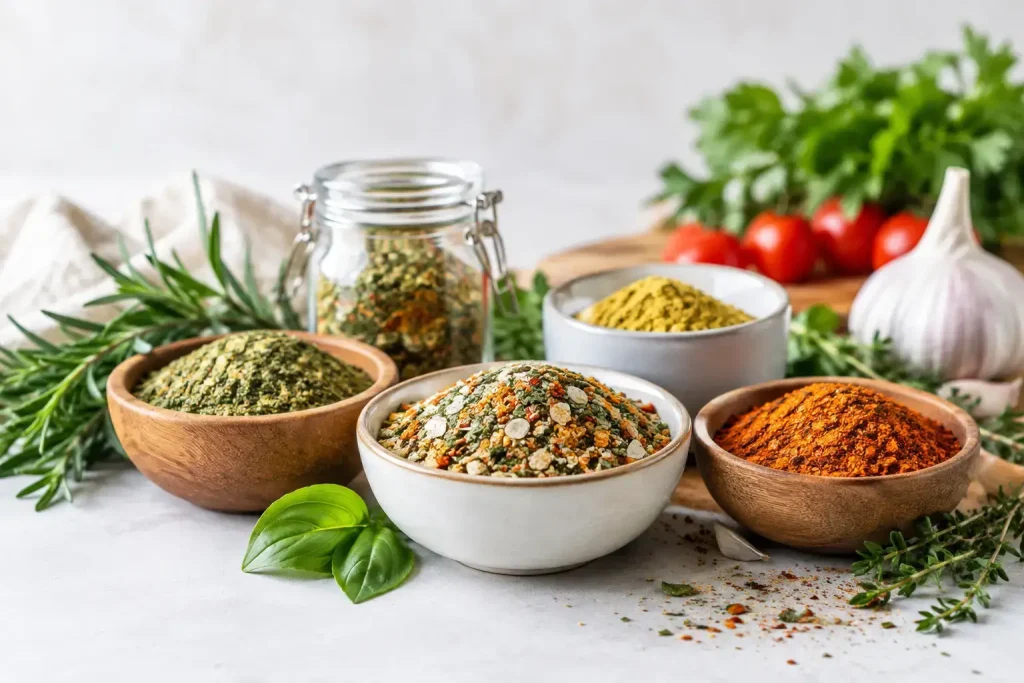
A great steak should taste like steak. Crispy roasted potatoes should taste buttery, savory, and worthy of the last bite. Yet plenty of seasoning shakers promise bold flavor while hiding behind long ingredient panels full of fillers, artificial flavors, and hard-to-pronounce additions. That is why clean label seasoning trends are getting real attention from home cooks who want big flavor without the mystery.
This is not about making food bland in the name of simplicity. It is about choosing blends that earn their place beside the stove and grill: real herbs, real spices, quality salt, and ingredients you would feel good serving to the people around your table. For barbecue lovers, busy weeknight cooks, and anyone who believes vegetables deserve the same care as a ribeye, that is a very good shift.
What Clean Label Means in a Seasoning Blend
“Clean label” does not have one official definition that applies to every food product. In the seasoning aisle, though, it generally means a blend made with recognizable ingredients and without unnecessary extras. Think garlic, black pepper, paprika, chile peppers, onion, lemon, oregano, cumin, and salt. Not a formula built around fillers, artificial flavors, artificial colors, preservatives, or MSG when those ingredients do not fit your cooking preferences.
The ingredient panel matters because a seasoning blend is concentrated. A small sprinkle can affect the flavor of an entire sheet pan of vegetables, a pot of soup, or a rack of ribs. When a blend relies on quality ingredients, each pinch has a clearer purpose.
For many households, clean label also means looking for non-GMO ingredients, allergen awareness, and a salt choice they can feel good about using regularly. Himalayan pink salt, for example, brings a clean mineral character and a handsome color, though it should still be used as salt: with a confident but sensible hand.
The best clean-label approach is not a contest to find the shortest ingredient list. A two-ingredient blend may be perfect for a burger, while a layered Southwest blend may need several herbs and spices to deliver the flavor it promises. The real question is whether every ingredient belongs there.
Clean Label Seasoning Trends Changing Home Cooking
Flavor is getting more specific
Plain salt and pepper will always have a job, but home cooks are reaching for blends with a point of view. Tangy barbecue flavor, peppery lemon brightness, smoky chile heat, garlic-forward steak seasoning, and Southwestern spice profiles make it easier to cook with intention without measuring six separate jars.
This is especially useful on busy nights. Chicken thighs can head in a bright, citrusy direction. Salmon can take on pepper, lemon, and herbs. Potatoes can get a savory crust with garlic, pepper, and a good salt blend. One dependable shaker helps turn “What are we having?” into a meal that feels planned.
The trade-off is that a more distinctive blend can steer a dish strongly. A bold barbecue blend may not be the first choice for delicate sole, and a lemony profile may not be what you want in a deep, smoky chili. Keeping two or three different flavor lanes in the pantry gives you flexibility without turning your cabinet into a spice-store inventory project.
Better salt is part of the conversation
Salt is not a background player. It wakes up sweet corn, draws flavor from tomatoes, balances rich meat, and gives roasted vegetables their edge. More cooks are paying attention to the type of salt in their blends rather than treating it as a cheap base ingredient.
Himalayan pink salt is a popular choice for its mineral-rich composition and clean taste. Its color also signals that the blend is made with a little more care than the standard dusty shaker. Still, quality salt does not mean unlimited salt. If you are seasoning a brined pork chop, a salty cheese dish, or a store-bought broth, taste and adjust before adding more.
A well-designed blend should help you season with control, not force every meal into the same salty outcome.
No-MSG and no-filler formulas are becoming a pantry standard
More shoppers are reading labels with the same attention they bring to choosing meat or produce. They want to know what is coating their wings, seasoning their popcorn, and flavoring the vegetables their kids are learning to enjoy.
For cooks who avoid MSG, artificial flavors, fillers, and preservatives, clean-label blends offer a straightforward option. The appeal is not fear of flavor. Quite the opposite. It is confidence that smoky paprika, cracked pepper, dried garlic, chile, and herbs can do plenty of heavy lifting on their own.
Fillers can also dilute the cooking experience. When you buy a seasoning blend, you want flavor in the jar, not unnecessary bulk. A fresh, ingredient-forward blend tends to smell lively the moment the cap comes off. That aroma is often the first clue that dinner is about to get better.
Blends are built for more than meat
Grilling will always be a natural home for great seasonings, but one of the strongest trends is treating blends as everyday kitchen tools. The same savory, peppery blend that makes a burger shine can add depth to scrambled eggs, avocado toast, homemade ranch dip, or a pot of beans.
Plant-forward cooking benefits especially well from this change. Cauliflower needs enough seasoning to stand up to high-heat roasting. Zucchini loves garlic, pepper, and a little tang. Chickpeas become snack-worthy when tossed with oil and a smoky blend before roasting. A bright lemon-pepper style seasoning can make green beans, asparagus, and shrimp taste like they belong on the same plate.
That versatility matters because a good blend should not sit around waiting for steak night. It should help you cook the food you already buy, whether that is chicken breast on Tuesday, grilled corn on Saturday, or vegetable soup when the weather turns cool.
How to Choose a Clean Label Blend You Will Actually Use
Start with the ingredient statement. Look for herbs and spices you recognize, and decide which exclusions matter most to your household. If you avoid nuts, MSG, artificial flavors, fillers, or preservatives, do not assume a savory blend is automatically free from them. Check the label every time, especially when trying a new flavor profile.
Next, match the blend to how you cook. If your grill sees plenty of burgers, tri-tip, ribs, and chicken, a bold savory or tangy barbecue seasoning will earn its keep. If seafood and vegetables appear often, citrus, pepper, garlic, and herb-forward blends may get more use. For households that cook a bit of everything, a balanced all-purpose blend is the workhorse that handles eggs at breakfast, chicken at lunch, and roasted potatoes at dinner.
Freshness deserves attention, too. Dried spices do not stay vibrant forever. Buy quantities you can use, store them tightly closed away from heat and sunlight, and notice the aroma. If a blend smells faint after months in a cabinet above the stove, it may be time to refresh it. Premium ingredients are most satisfying when their flavor is still alive.
Finally, consider salt level before you cook. Some blends are designed to be complete seasonings, while others work best as part of a layered approach with additional salt added later. When you are trying a new blend, season lightly, cook a small piece if possible, and adjust. That small habit prevents an over-salted dinner and helps you learn what the blend does best.
Use the Trend Where It Counts: On the Food
Clean-label seasonings are only a trend if they stay on the shelf. Put them to work. Toss chicken wings with oil and a smoky blend before they hit the oven. Season shrimp just before a hot skillet. Coat potato wedges generously, then roast until the edges turn crisp. Stir a savory blend into softened butter for corn, garlic bread, or a finishing touch on grilled steak.
For barbecue, apply dry seasoning early enough for the surface to absorb flavor, but remember that sugar-containing blends can darken quickly over high heat. For low-and-slow ribs, that can be beautiful. For a fast-seared pork chop, you may want to manage the heat or add a sweet glaze near the end instead.
Heath’s Blends is built around this kind of practical flavor: clean, versatile ingredients that let everyday cooks make food they are excited to serve. A blend with character should make cooking feel easier, not more complicated.
Tonight, pick one ingredient already waiting in your refrigerator and give it a better plan. A clean blend, a hot pan or grill, and a few extra minutes of attention can turn an ordinary meal into the one everyone talks about after the plates are cleared.