
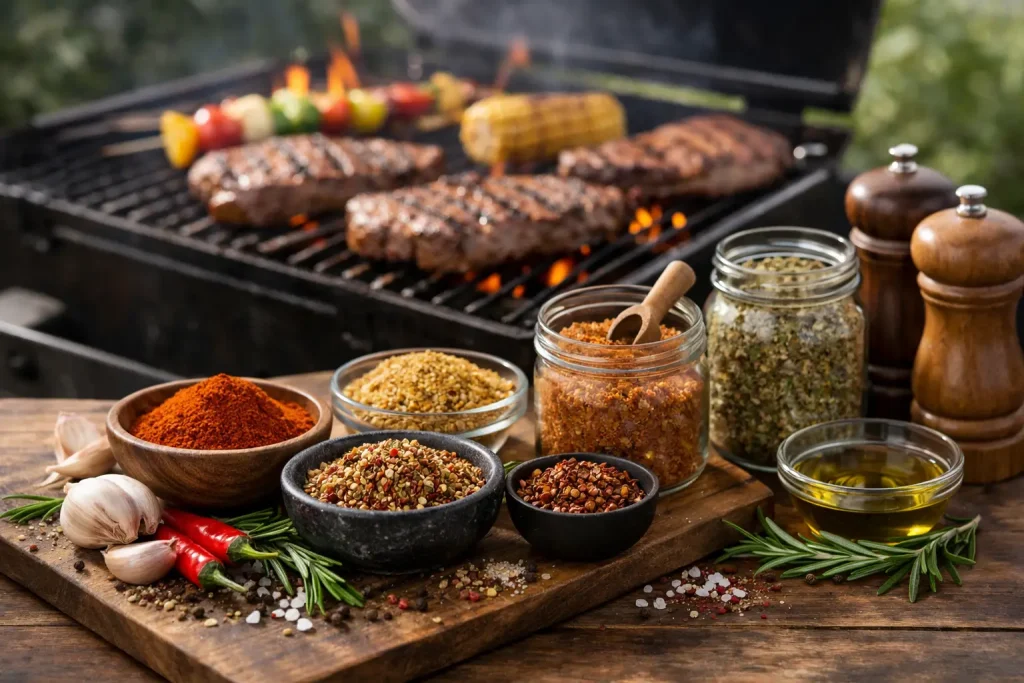
The difference between a grill night people remember and one that feels merely fine often happens before the food hits the grates. Great grilling spices give a juicy burger its savory crust, turn plain chicken into a repeat request, and make grilled vegetables disappear before the main course is served. You do not need a cabinet full of mystery jars to make that happen. You need a few well-chosen flavor profiles, a light touch, and the confidence to season food for what it is.
What Great Grilling Spices Actually Do
A good seasoning does more than make food taste salty. It brings balance. Salt makes natural flavors more noticeable, pepper contributes gentle heat, herbs add freshness, and spices can supply sweetness, smoke, warmth, tang, or a little Southwestern kick. Together, they create the browned, flavorful surface that makes grilled food so satisfying.
The grill adds its own personality through high heat, char, and smoke. That is why seasoning matters so much. A delicate herb blend can get lost on a thick ribeye, while a heavy smoky blend may overpower flaky white fish. The best choice depends on the food, the cooking method, and what you are serving alongside it.
Ingredient quality also shows up on the plate. Fresh herbs and spices have more aroma, so you can use less and still get a full, clear flavor. Clean blends without artificial flavors, fillers, or MSG let the food and the fire do the talking. Himalayan pink salt brings clean salinity and trace minerals, while a carefully built spice blend gives home cooks consistency without measuring six different ingredients every time dinner is on the line.
Choose Grilling Spices by What Is on the Grates
There is no single best blend for every cookout. Think of seasoning as a way to match the mood of the meal.
Steak, burgers, and chops
Beef can take a confident hand. A simple salt, pepper, onion, and garlic blend is hard to beat for steaks, burgers, pork chops, and potatoes. The savory notes support the beef rather than covering it up, and coarse pepper develops a beautiful toasted character over direct heat.
For steak, season generously 30 to 45 minutes before grilling when time allows. That gives the salt a chance to work its way into the surface. If you are seasoning just before cooking, that works too – simply get the steak onto a hot grill right away. A blend like Steak & Taters or a classic S.P.O.G-style profile is especially at home here, whether you are cooking strip steaks for two or a platter of burgers for the whole neighborhood.
Sugar-forward barbecue seasonings can be excellent on pork or burgers, but use care over very high heat. Sugar burns faster than salt and spices. For thick chops, ribs, or indirect-cooked burgers, it is an advantage. For a thin patty over a blazing-hot flame, a savory blend is usually the safer bet.
Chicken and turkey
Chicken is a blank canvas, which is good news when you want variety without changing your cooking routine. Tangy barbecue flavors bring life to thighs and drumsticks. Peppery lemon seasonings brighten grilled chicken breasts and keep them from tasting flat. Southwest-style blends add warmth to wings, skewers, and chicken tacos.
For bone-in pieces, season at least 30 minutes ahead. For skin-on chicken, pat the skin dry before seasoning so it can crisp instead of steam. If your blend contains salt, there is usually no need to add more. Too many cooks layer salt from the seasoning, marinade, and sauce, then wonder why the finished chicken tastes heavy.
Turkey burgers and turkey cutlets benefit from a bolder seasoning than many people expect. Their mild flavor welcomes garlic, pepper, smoky chile, and a little tang. Grill them gently and use an instant-read thermometer so a flavorful dinner does not become a dry one.
Seafood
Seafood wants a lighter touch, but light does not mean bland. Lemon, black pepper, garlic, parsley, dill, and mild chile work beautifully with shrimp, salmon, scallops, cod, and grilled fish tacos. A Peppery Lemon profile is an easy win when you want flavor that feels fresh rather than heavy.
Oil delicate fish lightly before seasoning, then cook it on clean, well-oiled grates or use a grill basket. Shrimp can handle more seasoning than a tender fillet, especially when paired with grilled peppers, onions, and tortillas. Watch blends with lots of sugar on seafood, since most fillets cook quickly and can darken before the center is ready.
Vegetables, potatoes, and plant-based favorites
Vegetables do not need to sit quietly on the side of the plate. Grilled zucchini, mushrooms, corn, asparagus, cauliflower, and peppers become their own main event with the right seasoning. Savory garlic-and-pepper blends are dependable, while smoky, chile-forward flavors add serious personality to corn, sweet potatoes, and black bean burgers.
Toss vegetables with oil first, then add the seasoning. Oil helps the spices cling and encourages browning. With potatoes, use enough seasoning to reach every bite. A large tray of grilled potato wedges needs more than a small pinch, especially if you are serving them with unsalted proteins.
When to Season for the Best Crust
Timing is one of the simplest ways to improve grilled food. Most dry seasoning blends can go on right before cooking. The surface stays flavorful, and you avoid overthinking a weeknight meal.
For larger cuts of meat, seasoning ahead can deepen flavor. Steaks, pork chops, chicken thighs, and roasts all benefit from 30 minutes to several hours in the refrigerator after seasoning. Keep the food uncovered if you want an especially dry exterior and better browning. Just do not leave acidic marinades on delicate seafood for hours – citrus can change the texture fast.
If you are using a blend with dried herbs and spices but no sugar, it can handle a hot sear well. If the blend is sweet or contains a lot of paprika, cook over medium or indirect heat when possible. Paprika is delicious on the grill, but it can turn bitter if scorched. Build color patiently instead of chasing it with flare-ups.
A Better Way to Build Flavor in Layers
The best grilled food often has more than one flavor moment. Start with seasoning before cooking, then finish with something that wakes up the plate: a squeeze of lemon on shrimp, a brush of barbecue sauce on chicken near the end, chopped herbs on vegetables, or a final pinch of seasoning after slicing a steak.
That last pinch is not a shortcut. It is a chef move. Heat changes the way spices taste, and a small fresh finish restores aroma. Use it sparingly, especially with salt-based blends. You are aiming for a bright top note, not a dusty coating.
Sauce and seasoning should work together rather than compete. If you are using a sweet, thick barbecue sauce, begin with a savory or peppery rub. If the sauce is sharp and vinegar-forward, a warmer blend with chile, garlic, and a touch of sweetness can round it out. Tom’s Tangy BBQ, for example, makes sense when you want that familiar barbecue comfort with a lively edge instead of a one-note sugary finish.
Common Grilling Seasoning Mistakes
The most common mistake is underseasoning. Grilling creates a lot of bold flavor from smoke and char, and food needs enough seasoning to stand alongside it. Season every surface, not just the top of a steak or one side of a chicken breast.
The next mistake is overcrowding the flavor. A quality blend is designed to be balanced. If it already has salt, garlic, onion, pepper, herbs, and chiles, adding more of everything can muddy the result. Taste the finished food first, then decide whether it needs a final squeeze of citrus, a little sauce, or another pinch of seasoning.
Finally, keep your spices fresh. Store blends tightly closed in a cool, dark cabinet, away from the heat and steam of the stove or grill. If a jar smells faint when you open it, it will taste faint on dinner. Freshness is not a tiny detail when spices are doing the heavy lifting.
The next time you fire up the grill, pick one flavor direction and let it shine. A peppery steak, tangy chicken, bright shrimp, or smoky corn does not need a complicated plan. It needs good ingredients, steady heat, and a seasoning you are excited to shake on again.