
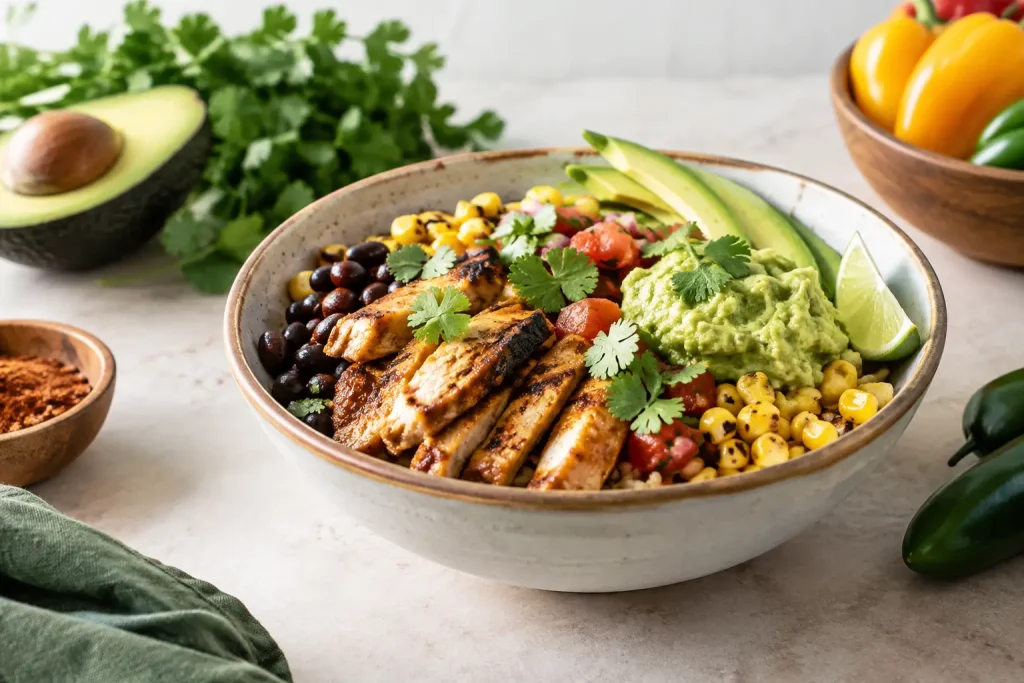
A skillet of blistered peppers, a squeeze of lime over grilled chicken, and a pinch of earthy chile can make an ordinary dinner taste like it had a much better plan. That is the appeal behind Southwest flavor trends right now: big, sun-warmed flavor that feels exciting without asking home cooks to build a 14-ingredient spice blend from scratch.
The best Southwest-inspired cooking is not about making every dish fiery. It is about balance. Chile brings warmth, cumin adds earthiness, garlic and onion create savory depth, citrus wakes everything up, and smoke gives grilled food that hard-earned finish. For busy weeknights, backyard barbecues, and meatless Monday meals alike, those familiar flavors are becoming more flexible, more ingredient-conscious, and more vegetable-forward.
Southwest Flavor Trends Are Moving Beyond Heat
For years, plenty of products treated Southwest flavor as shorthand for maximum heat. There is a place for a hot sauce challenge, but most cooks want to taste their food, too. The stronger trend is layered heat: a gentle burn supported by roasted chile flavor, herbs, tang, and savory spices.
That distinction matters when you are seasoning a whole sheet pan of vegetables or feeding a family with different heat tolerances. A blend with character can make shrimp, chicken thighs, corn, or potatoes taste lively without making dinner a dare. If you want more heat, it is easy to add fresh jalapeño, serrano, chipotle, or a finishing dusting of chile. Starting with balance gives you more control.
This is also why chile varieties are getting more attention. Ancho offers a mild, raisin-like richness. Chipotle brings smoke and a deeper, lingering warmth. Hatch-style green chile flavors lean savory and roasted. Cayenne delivers a cleaner, sharper kick. They are not interchangeable, and that is good news for home cooks. Choosing the right chile profile can change the whole mood of a meal.
Roasted Chile and Charred Flavor Lead the Way
A real Southwest-style flavor often starts with the taste of something kissed by flame. Charred corn, roasted poblanos, grilled onions, blackened tomatoes, and seared citrus all bring a little bitterness and sweetness that raw ingredients cannot quite match.
You do not need restaurant equipment to get there. Roast peppers under the broiler until their skins darken and bubble. Let them steam in a covered bowl, then peel, chop, and fold them into eggs, chili, queso, or rice. Grill halved limes cut-side down until caramelized, then squeeze them over tacos, fish, or roasted vegetables. Even a hot cast-iron skillet can add useful color to onions, zucchini, and mushrooms.
The trade-off is simple: char should taste smoky and complex, not burnt. Keep an eye on small vegetables and spice-coated proteins, since sugars in rubs can darken quickly over high heat. Build color first, then move food to a cooler part of the grill or finish it in the oven.
Citrus Is Doing More Than Garnishing
Lime remains a Southwest kitchen favorite, but cooks are using citrus more intentionally. Its acidity cuts through rich beef, creamy avocado, melted cheese, and slow-cooked pork. It also makes vegetable dishes feel fresher, especially when the seasoning has cumin, chile, garlic, or smoke.
The timing matters. Add lime juice at the end for a bright pop. Add lime zest earlier if you want the citrus aroma to settle into a marinade or dry rub. Orange can be especially good with pork shoulder, grilled chicken, or sweet potatoes because it brings a rounder sweetness. For a quick dinner, toss roasted cauliflower or crispy potatoes with citrus juice right before serving, then taste for salt.
Cleaner Ingredient Lists Are Part of the Trend
Flavor-forward cooking and ingredient-conscious cooking are no longer competing ideas. More people want their pantry staples to work hard while still being easy to recognize: herbs, spices, salt, chile, garlic, onion, and ingredients that earn their spot in the bottle.
That shift has made shoppers more selective about seasoning blends. They are checking for unnecessary fillers, artificial flavors, excessive sugar, and MSG when those ingredients do not fit their preferences. A clean-label blend does not have to be timid. In fact, when the herbs and spices are fresh and thoughtfully balanced, there is less need to hide behind vague flavor boosters.
Salt deserves attention here, too. A mineral-rich salt such as Himalayan pink salt can bring a clean salinity to a blend, but the best choice still depends on how you cook. Use a lower hand with seasoning on foods that will be reduced, simmered, or paired with salty cheese. With large cuts of meat, potatoes, and vegetables, a well-balanced seasoning can carry more of the flavor work from the start.
Southwest Seasoning Is Going Plant-Forward
Southwest flavor belongs nowhere near a single category of food. It shines on steak and ribs, of course, but it is also a smart answer for people who want vegetables and plant-based meals to feel satisfying instead of like an afterthought.
Beans are a perfect example. Black beans, pinto beans, and chickpeas have a mild, creamy base that welcomes chile, cumin, garlic, and smoke. Season them while they simmer, then finish with lime and chopped cilantro. Serve them in a bowl with rice and avocado, pile them into tacos, or spoon them over a baked sweet potato.
Roasted vegetables can take more seasoning than many cooks expect. Cauliflower, carrots, squash, potatoes, and corn need enough spice to stand up to their natural sweetness. Toss them with oil and a Southwest-style blend before roasting at high heat. Give the pan room so the vegetables brown instead of steam. A final squeeze of citrus makes the flavors feel complete.
For a meatless grill night, try thick slices of portobello mushroom, cabbage wedges, or skewered zucchini and onion. The grill gives them that charred edge, while a savory chile blend adds the boldness people usually expect from barbecue.
Global Influences Are Expanding the Southwest Pantry
Southwest cooking has always reflected the meeting of cultures and ingredients, so it makes sense that current flavor trends are becoming broader rather than more narrowly defined. Home cooks are pairing familiar Southwest notes with ingredients that add contrast: tahini for creaminess, hot honey for sweet heat, fermented peppers for tang, toasted sesame for nuttiness, or yogurt for a cooling finish.
The key is not to throw every trend into one bowl. Pick a lead flavor and let the others support it. For example, smoky chile and lime work beautifully with grilled chicken; a drizzle of hot honey can add a sweet finish, but too much tahini or sesame may pull the dish in another direction. On the other hand, cumin-seasoned roasted carrots with lime, yogurt, and pepitas can feel completely natural.
This is where a dependable blend earns its space in the cabinet. It gives you a recognizable starting point, then lets you make the dish your own with a sauce, herb, or fresh garnish. Heath’s Blends Southwest Sizzler or Southwest Sidewinder can bring that easy foundation to proteins, vegetables, soups, and even popcorn when you want a snack with some personality.
How to Use These Trends Without Overcomplicating Dinner
Start with one main ingredient, one Southwest-style seasoning, and one fresh finishing element. That formula works because it creates contrast: roasted or grilled depth from the cooking method, savory warmth from the spices, and brightness from lime, cilantro, scallions, or fresh salsa.
For grilled chicken, season first, cook over medium-high heat, and finish with charred lime. For salmon or shrimp, use a lighter hand with smoky spices and serve with avocado or a crisp cabbage slaw. For burgers, season the patties generously, then bring in freshness with tomato, pickled onion, or a spoonful of corn salsa. For a fast vegetarian dinner, roast beans and vegetables on the same pan, then tuck them into warm tortillas.
Do not be afraid to taste as you go. Southwest flavor should feel bold, but it should also leave room for the food itself. A great seasoning blend makes a juicy burger taste more like a burger, sweet corn taste more like corn, and a simple bowl of beans worth reaching for again.
Tonight, pick one ingredient you already have, give it a little char, season it with confidence, and finish it with something bright. It is amazing what spice can do.