
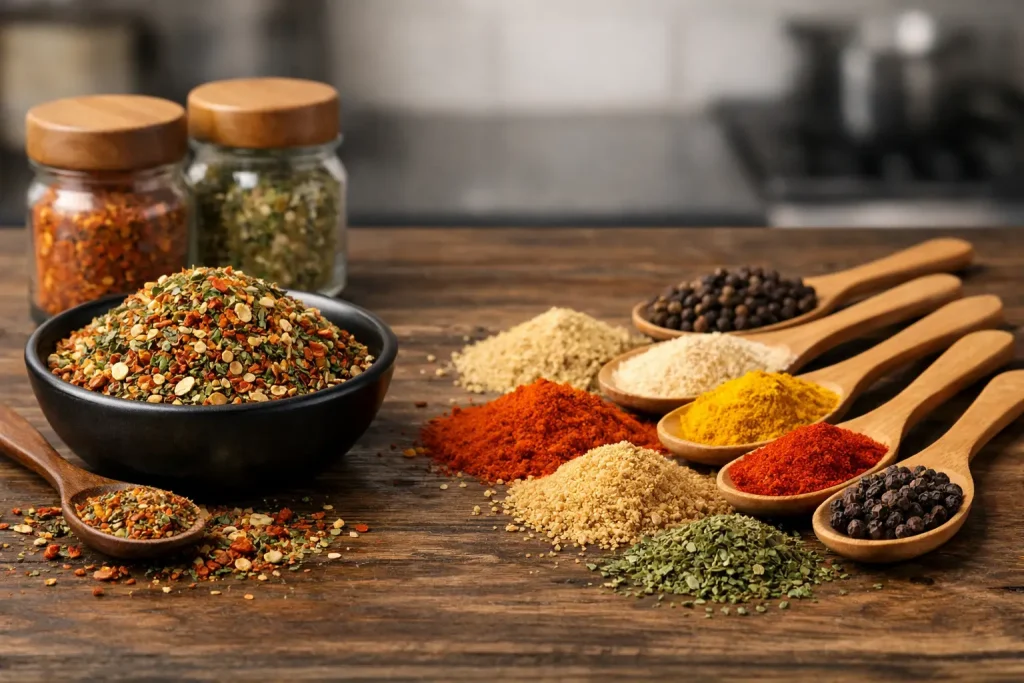
A plain chicken breast, a tray of roasted potatoes, and a pot of soup all ask the same question: what flavor do you want tonight? That is where seasoning blends versus single spices becomes more than a pantry debate. The right choice can turn a simple meal into something smoky, bright, peppery, savory, or downright unforgettable – without making dinner harder than it needs to be.
Single spices give you control one ingredient at a time. Blends give you a tested flavor direction in one shake. Neither is automatically better. The better choice depends on what you are cooking, how much time you have, and whether you are building a flavor from scratch or ready to get food on the table.
Seasoning Blends Versus Single Spices: The Real Difference
A single spice is exactly what it sounds like: paprika, cumin, garlic powder, black pepper, oregano, cinnamon, or one of the many other flavor-building ingredients in a cook’s cabinet. Each one has a clear job. Cumin brings earthy warmth. Smoked paprika adds color and a campfire-style depth. Garlic powder gives savory backbone. Used thoughtfully, they let you adjust a recipe with precision.
A seasoning blend combines several herbs, spices, salt, and sometimes other seasonings into a balanced profile. Instead of measuring cumin, chile, garlic, onion, pepper, and salt separately for taco night, you can reach for a Southwest-style blend designed to make those flavors work together. A good blend is not just a pile of ingredients. It is a ratio with a purpose.
That purpose matters. The difference between a lively grilled steak and a flat one is often not one dramatic ingredient. It is balance: enough salt to bring flavor forward, pepper for bite, garlic for savoriness, herbs for lift, and a little heat or tang when the food needs it.
When Single Spices Are the Better Call
Single spices shine when you are learning how flavors behave or cooking something highly specific. If a chili recipe already has plenty of garlic and onion, adding only cumin or smoked paprika may be all it needs. If you want a pot of tomato sauce to taste more herbal, oregano is a more direct answer than a full-purpose blend.
They are also useful when you need to control one variable. Maybe you are avoiding heat for a young eater but still want smoky flavor. Maybe you are making a recipe that calls for a certain amount of cinnamon and no more. Or perhaps you love black pepper and want an extra crack of it over eggs, vegetables, or a finished steak. Individual spices let you make those small, personal adjustments.
There is real cooking knowledge in building a rub from the ground up. You start to recognize that paprika loves chicken, cumin can make roasted carrots feel warmer, and lemon pepper can wake up mild fish. For holiday recipes, family recipes, baking, and dishes with a narrow flavor target, singles can be the most sensible option.
The trade-off is that a well-stocked spice cabinet can become expensive, crowded, and unevenly used. A recipe may call for a teaspoon of coriander, half a teaspoon of mustard powder, and a pinch of celery seed. Buy each jar for one dish, and you may have three more containers aging in the back of the cabinet. Spices do not usually spoil in a dangerous way, but they do lose their lively aroma and flavor over time.
Why Blends Make Everyday Cooking Easier
A quality blend earns its space by removing guesswork. It gives home cooks a dependable starting point, especially on busy nights when measuring five or six spices feels like one task too many. Coat chicken thighs, season burger patties, toss vegetables with oil and a generous shake, or stir flavor into a soup. You get a complete profile without stopping to calculate proportions.
Consistency is another advantage. When you find a blend you love on grilled shrimp or roasted potatoes, you can repeat that result next week. That is valuable for anyone who cooks for family, hosts friends, or wants their backyard barbecue to have a signature flavor. You still get to cook with instinct, but the foundation is already solid.
Blends can also help you use more flavorful ingredients without relying on heavy sauces. A bright pepper-and-lemon profile can make seafood, green beans, or grilled zucchini feel finished with little more than olive oil. A savory garlic-and-pepper blend can give burgers, mushrooms, and baked potatoes a hearty edge. For cooks looking for clean, recognizable ingredients, a blend made without MSG, artificial flavors, fillers, or preservatives keeps that convenience aligned with what is in the pantry.
At Heath’s Blends, the goal is not to make every meal taste the same. It is to give everyday food a bold, dependable flavor direction with organic herbs and spices, Himalayan pink salt, and blends that work across the foods people actually cook.
A Blend Is a Shortcut, Not a Rulebook
Using a blend does not mean giving up creativity. Think of it as the main melody, not the whole song. A Southwest blend can season chicken for tacos, then take a different turn with fresh lime juice, cilantro, salsa, or avocado. A barbecue-forward blend can coat ribs before the grill, then work just as well in baked beans or on corn.
The smartest way to use blends is to taste as you cook and build around them. If the food needs brightness, add lemon or vinegar. If it needs heat, add crushed red pepper or a fresh chile. If it needs richness, finish with butter, olive oil, cheese, or a creamy sauce. The blend handles the broad flavor architecture; your finishing touches make the dish your own.
Choose by the Food on Your Plate
For quick proteins, blends often have the advantage. Steaks, pork chops, chicken wings, burgers, salmon, shrimp, and roasted chicken benefit from a balanced coating that can go on before cooking. Use enough to season the surface well, especially for thicker cuts, then let the food rest briefly so the flavors can cling.
Vegetables are another easy win. Toss broccoli, cauliflower, Brussels sprouts, asparagus, potatoes, or sweet potatoes with oil before adding seasoning. The oil helps the blend adhere, and high-heat roasting brings out the vegetables’ natural sweetness. A tangy blend can make crispy potatoes snack-worthy, while a smoky or peppery one can give roasted vegetables a grill-house personality.
Single spices often lead in recipes where the seasoning is only one piece of a larger formula. Curry, mole, biryani, baking, pickling, and many heritage dishes have specific spice traditions and timing. Toasting whole cumin or coriander seeds, blooming chile powder in oil, or adding cinnamon at a particular moment can change the final result. Those dishes reward the extra attention.
Soups, sauces, and casseroles fall in the middle. Start with a blend when you want an easy base, then use single spices to correct the flavor as the dish simmers. A bean soup may want a savory blend at the start, a pinch of cumin halfway through, and black pepper at the end. This is not choosing sides. It is seasoning with intention.
How to Avoid Over-Seasoning
The biggest mistake with either approach is treating seasoning as an afterthought. Salt and spices need contact with the food, and many flavors need time and heat to develop. Season meat before it goes on the grill or into the oven. Season vegetables before roasting. Add seasoning to soups early enough for the ingredients to mingle, then taste again near the end.
Because blends may contain salt, read the label before adding additional salt. If you are using a salty cheese, broth, soy sauce, bacon, or barbecue sauce, begin with a lighter hand. You can always add more. Pulling excess salt or heat back out of a finished dish is much harder.
For a dry rub, aim for an even, visible coating rather than a thick crust that hides the food. For soups and sauces, add in small stages. For a finished dish such as eggs, fries, popcorn, or sliced avocado, use a final sprinkle to preserve the blend’s aroma and texture.
Freshness is worth paying attention to, too. Open a jar and smell it. If the aroma is faint, the flavor will likely be faint. Store spices and blends tightly closed in a cool, dark cabinet, away from the steam and heat of the stove. Buy amounts you will actually use, then enjoy them while their character is still bright.
Build a Pantry That Works for You
Most home cooks do not need every spice on the shelf. A practical pantry can include a few singles you reach for often – black pepper, garlic powder, paprika, cumin, and a favorite dried herb – along with several blends for the meals you make repeatedly. That gives you room to experiment without turning dinner into a measuring project.
Keep a savory all-purpose blend for burgers, eggs, vegetables, and potatoes. Add a smoky barbecue option for grilling and slow-cooked favorites, a Southwest-style choice for tacos and chili, and a bright lemon-pepper profile for fish and vegetables. Then let your go-to single spices fill the gaps and help you steer each dish exactly where you want it to go.
Tonight, pick one ordinary ingredient and give it a clear flavor direction. A handful of potatoes, a piece of salmon, or a pan of chicken can taste completely different with the right shake, pinch, and finish.