
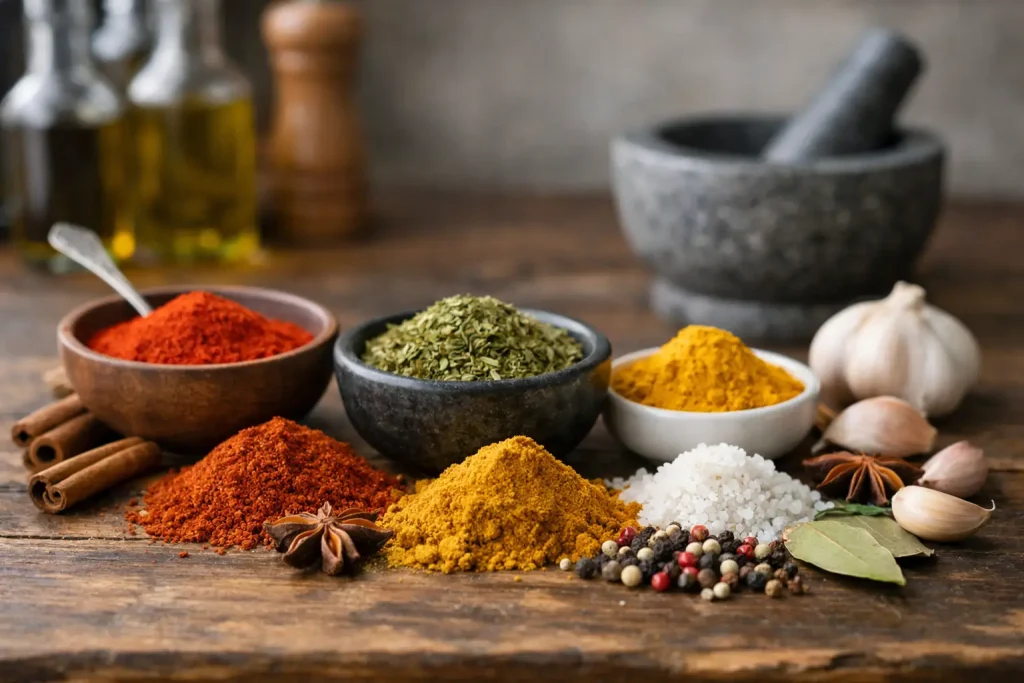
A great seasoning should make a grilled chicken thigh smell irresistible before it ever reaches the plate. It should wake up roasted vegetables, give a burger a savory crust, and turn a quick pot of soup into something everyone asks for again. This additive free spice guide is for cooks who want that big, dependable flavor without wondering what else made it into the jar.
Clean-label seasoning is not about making food taste less exciting. Quite the opposite. When herbs, spices, garlic, chile, citrus, pepper, and quality salt are given room to do their job, food tastes vivid, specific, and downright craveable. You do not need a cabinet full of mystery powders to cook a memorable dinner.
What Additive-Free Seasoning Really Means
The phrase additive-free can sound simple, but the label deserves a closer look. In practical terms, many home cooks use it to mean a blend made without ingredients added for shelf stability, bulk, artificial color, or manufactured flavor. That usually means no fillers, preservatives, artificial flavors, or MSG for shoppers who prefer to avoid it.
It does not mean every ingredient has to be unfamiliar or that a seasoning cannot contain salt, dried herbs, dried vegetables, spices, or a touch of sugar. Those are ingredients with a clear culinary purpose. Salt seasons. Garlic adds savory depth. Paprika brings warmth and color. A little sugar can help a barbecue rub caramelize beautifully over the heat.
What matters is whether the ingredient list tells a straightforward flavor story. If the label reads like a recipe you would recognize in your own kitchen, you have a much better idea of what is seasoning your food.
Why clean ingredients change the cooking experience
A clean blend lets you control the meal instead of covering it up. You can taste the pepper on a steak, the citrus against flaky fish, or the smoky chile notes in a bowl of beans. That clarity is especially welcome when you are cooking good ingredients that do not need to be buried under an overly salty, artificially flavored coating.
There is a practical side, too. A dependable blend removes the need to measure six different jars on a busy weeknight. You still get layered flavor, but with fewer decisions between you and dinner. For households that cook often, that convenience can mean more meals made at home and fewer bland repeat plates.
Additive Free Spice Guide: How to Read a Label
Start with the ingredient panel, not the front of the bottle. Marketing language can be helpful, but the ingredient list is where a seasoning earns its place in your pantry. Look for recognizable ingredients arranged in a way that makes sense for the flavor promised on the label.
When comparing blends, keep these four label checks in mind:
- Look for named herbs and spices, such as black pepper, cumin, oregano, onion, garlic, paprika, or chile.
- Watch for broad catchall terms when you want full transparency, including artificial flavors or vague flavor systems.
- Check for fillers or anti-caking ingredients if avoiding them is part of your buying standard.
- Read allergen information carefully, especially when cooking for guests or a household with food sensitivities.
A long ingredient list is not automatically a bad sign. A complex Southwest blend may naturally include several chiles, herbs, onion, garlic, pepper, and citrus notes. The question is whether those ingredients are there to build flavor or simply to stretch, preserve, or imitate it.
Choose Blends by the Food You Actually Cook
The best seasoning is the one that earns its keep at more than one meal. Before adding another jar to your shelf, think about the foods that show up most often in your kitchen. Grilling steaks every weekend calls for something different than weeknight fish tacos or a regular rotation of roasted vegetables.
For beef, burgers, potatoes, and mushrooms, look for bold pepper, garlic, onion, and savory herbs. A steak-forward blend should support a good sear without turning every bite into a salt bomb. If you love ribs, pulled pork, or grilled chicken, choose a barbecue-style seasoning with paprika, chile, garlic, and enough sweetness to play well with smoke and heat.
Seafood and vegetables often shine with brighter profiles. Lemon, pepper, herbs, garlic, and a measured amount of salt lift shrimp, salmon, asparagus, zucchini, corn, and simple sheet-pan dinners. For soups, beans, chili, and tacos, a Southwest-inspired blend can bring depth without requiring a separate scoop of cumin, oregano, chile powder, and garlic every time.
At Heath’s Blends, the goal is to make those choices easier with organic herbs and spices, Himalayan pink salt, and blends made without MSG, nuts, artificial flavors, fillers, or preservatives. The real test is still your own table: a seasoning should make you excited to cook the foods you already love.
Salt Matters More Than Most Cooks Think
Salt is often the first ingredient in a seasoning blend because it has a major job to do. It helps food taste more like itself. But salt level varies wildly from jar to jar, and that affects how you cook with the blend.
If a blend is salt-forward, season earlier and use a lighter hand, particularly on smaller foods like shrimp, thin chicken cutlets, and vegetables. With a lower-salt blend, you may have more room to build a flavorful crust on a large roast or a rack of ribs. Neither approach is automatically better. It depends on the dish, the portion size, and whether you are also using salty ingredients such as cheese, broth, soy sauce, bacon, or barbecue sauce.
Himalayan pink salt is a favorite for cooks who enjoy its clean taste and naturally occurring trace minerals. Still, it is salt, so the same kitchen wisdom applies: taste as you go, and give yourself room to adjust.
Get More Flavor From Every Shake
Fresh spices perform best when they meet heat, fat, and a little time. For roasted chicken or pork chops, season 20 to 30 minutes before cooking when possible. For steaks, pat the surface dry, apply the blend evenly, and let the meat sit while the grill or pan gets properly hot. That brief rest helps the seasoning adhere and gives the exterior a better chance to develop a flavorful crust.
For vegetables, toss the seasoning with oil first so the spices coat every surface. For soups and sauces, add the blend early enough for the spices to bloom, then taste again near the end. A final pinch can brighten the finished dish, but the deeper flavor comes from allowing the seasoning to cook into the food.
Do not forget cold foods. A clean, peppery or citrus-forward blend can bring life to pasta salad, deviled eggs, homemade dip, avocado toast, and a simple bowl of cottage cheese. One blend used in smart ways across the week is more useful than five jars that only work for one recipe.
Store Your Spices Like They Matter
Heat, light, air, and steam can dull even a beautiful blend. Keep your seasonings tightly closed in a cool, dry cabinet, away from the stove and out of direct sunlight. Shaking a jar directly over a steaming skillet may feel convenient, but that rising moisture can clump the blend and shorten its best flavor window.
If a seasoning no longer smells like much when you open it, it will not suddenly come alive in the pan. Buy amounts you will use, rotate older jars forward, and do not save your favorite blend only for special occasions. Great flavor is exactly what makes a Tuesday dinner feel worth sitting down for.
The next time you reach for seasoning, give the label a quick read, trust your own taste, and season with purpose. A good blend should make cooking feel easier, food taste fuller, and everyone around the table a little more eager for the next bite.