
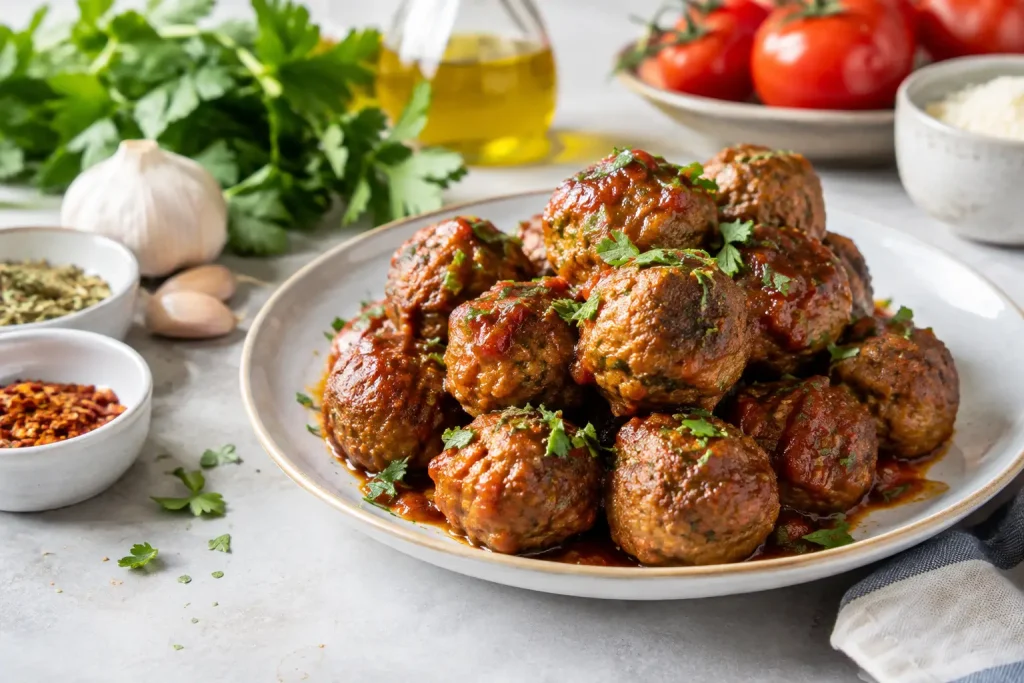
A meatball can be tender, browned, and perfectly round, yet still taste like it is missing something. Usually, the problem is not the sauce. It is what happened inside the bowl before the meatballs ever hit the pan. Knowing how to flavor homemade meatballs means building layers of savory flavor, using enough salt, and choosing seasonings that suit the meat and the meal.
The good news: you do not need a cabinet full of spices or a complicated recipe. A few intentional choices turn basic ground meat into something that makes everyone hover around the stove for “just one more.”
Start With the Meat You’re Using
Different meats bring different amounts of richness, so they need different flavor support. Ground beef has a full, beefy flavor that stands up to garlic, black pepper, smoky spices, and assertive herbs. Pork is naturally rich and slightly sweet, making it especially good with fennel, sage, paprika, or a little heat. Ground turkey and chicken are lighter, so they benefit from bolder seasoning, grated onion, fresh herbs, and a finishing sauce.
A blend of beef and pork is popular for a reason. Beef gives the meatball depth, while pork brings fat and tenderness. If you are using very lean meat, pay close attention to moisture. A splash of milk, a panade made with breadcrumbs, or finely grated onion helps keep the texture juicy. Dry meatballs cannot carry flavor as well as tender ones.
For most home cooks, an 80/20 ground beef or a beef-and-pork mixture is a forgiving place to start. You can absolutely make great leaner meatballs, but do not skimp on aromatics or binders that hold in moisture.
Build Flavor in Layers, Not All at Once
Great meatballs taste seasoned all the way through, not just salty on the surface. Think of the mixture in four layers: salt, aromatics, herbs and spices, then a savory booster.
Salt is the first layer. It does more than make food taste salty. It wakes up the natural flavor of the meat, herbs, and cheese. For 1 pound of ground meat, start with about 1 teaspoon of fine salt, then adjust based on what else is in the bowl. Parmesan, soy sauce, Worcestershire sauce, cured meats, and prepared seasoning blends all add salt, so account for them before adding more.
Next come aromatics. Garlic and onion are classic because they bring sweetness and savoriness as the meatballs cook. Freshly grated or finely minced onion distributes more evenly than large diced pieces. Garlic should be minced very fine, grated, or gently cooked first if you want a mellow flavor. Raw garlic is punchier, which can be delicious in a boldly seasoned meatball but may overwhelm a delicate turkey mixture.
Herbs and spices give the meatballs their personality. Dried herbs work beautifully because the flavors have time to bloom in the meat. Fresh herbs bring a brighter finish, though they can be more subtle after cooking. Finally, add one savory booster, such as grated Parmesan, Worcestershire, tomato paste, Dijon mustard, or a clean, well-balanced seasoning blend.
Choose a Flavor Direction Before You Season
The best way to avoid muddy-tasting meatballs is to decide where dinner is headed. Are you making a red-sauce classic, a smoky barbecue platter, or a bright Mediterranean-style bowl? You can mix flavors creatively, but not every good seasoning belongs in the same meatball.
Here are four dependable directions for 1 pound of ground meat:
- Italian-style: Use garlic, grated onion, parsley, oregano, black pepper, Parmesan, and a pinch of red pepper flakes. These are ideal for marinara, subs, or creamy polenta.
- Smoky barbecue: Use garlic, onion, smoked paprika, black pepper, a touch of brown sugar, and chili powder. Serve with barbecue sauce, roasted corn, or potato salad.
- Southwest-style: Build with cumin, chili powder, garlic, oregano, paprika, and a squeeze of lime after cooking. These work in rice bowls, tacos, or as a game-day appetizer.
- Bright lemon-herb: Try garlic, lemon zest, parsley, dill or oregano, black pepper, and a little feta if you like. This profile shines with chicken or turkey and is excellent alongside roasted vegetables.
If you prefer reliable flavor without measuring several jars at once, a quality all-purpose blend can do the heavy lifting. Heath’s Blends S.P.O.G is an easy fit for beefy, savory meatballs, while a peppery lemon or Southwest-style blend can steer poultry meatballs in a fresher, bolder direction. Just check whether your blend contains salt and season the rest of the recipe accordingly.
How to Flavor Homemade Meatballs Without Overmixing
There is one trade-off every meatball cook should know: more mixing spreads seasonings evenly, but too much mixing makes the finished meatballs tight and springy. The goal is an even mixture that still feels loose and tender.
Start by mixing your breadcrumbs, milk, eggs, grated onion, garlic, herbs, spices, cheese, and sauces in a large bowl. Let that sit for a minute or two so the breadcrumbs absorb moisture. Then add the ground meat and gently fold everything together with clean hands or a fork. Stop as soon as there are no obvious streaks of seasoning or bare meat.
This method matters because it prevents you from kneading the meat while trying to distribute spices. It also lets the breadcrumbs and aromatics get acquainted before they are surrounded by meat.
If you have time, cover the mixture and refrigerate it for 15 to 30 minutes before shaping. That short rest helps the flavors settle in and makes the mixture easier to roll. It is helpful, not mandatory. On a busy weeknight, you can shape and cook right away.
Taste Before You Roll the Whole Batch
This is the restaurant trick that saves dinner: cook a tiny test patty before shaping every meatball. Press a tablespoon of the mixture into a thin patty and sear it in a skillet until cooked through. Taste it while it is warm.
Does it need more salt? Another pinch of pepper? A little more garlic, more heat, or a brighter note from lemon zest? Adjust the mixture, cook one more tester if needed, and then roll the batch.
Do not judge raw meatball mixture by smell alone. Many spices, especially dried herbs and paprika, change dramatically once they hit heat and fat. The test patty tells you what your family will actually taste at the table.
Brown for Flavor, Then Finish Gently
Seasoning is only part of the answer. Browning creates the deeply savory crust that makes meatballs taste richer. Whether you bake, pan-sear, grill, or air-fry them, give the exterior enough heat to develop color.
For skillet meatballs, use medium to medium-high heat with a thin layer of oil and turn them once they release easily. Crowding the pan causes steaming, which leaves you with gray meatballs instead of a flavorful crust. For a simpler hands-off method, bake them on a lightly oiled sheet pan at 400°F until browned and cooked through.
If they are going into sauce, brown them first and let them finish gently in the simmering sauce. That gives you both a caramelized exterior and a tender center. Avoid a hard rolling boil, which can make the meatballs firm and cause them to break apart.
Small Finishes Make a Big Difference
A final bright or savory touch can make a familiar meatball recipe feel brand-new. Finish Italian-style meatballs with extra Parmesan and parsley. Add lemon juice to chicken meatballs just before serving. Brush barbecue meatballs with sauce during the last few minutes of cooking rather than drowning them too early, so the sauce does not burn.
The right finish depends on the flavor direction, but the principle stays the same: rich meat wants contrast. Acid, herbs, heat, or a final crack of black pepper keeps each bite lively.
Once you learn to season in layers and cook one quick test patty, homemade meatballs stop being a recipe you hope turns out. They become one of those dependable, flavor-packed meals you can make your own every single time.