
That rosy pinch on a grilled steak or sheet pan of vegetables does more than look good. Himalayan pink salt benefits are often discussed in health terms, but its most reliable payoff for home cooks is straightforward: clean, balanced seasoning that lets great ingredients taste like themselves.
For anyone who cares about what goes into the shaker, Himalayan pink salt can be a flavorful part of a simple-ingredient kitchen. The key is knowing where the real advantages are, where the marketing gets ahead of the facts, and how to use this salt to make dinner taste downright memorable.
What Makes Himalayan Pink Salt Pink?
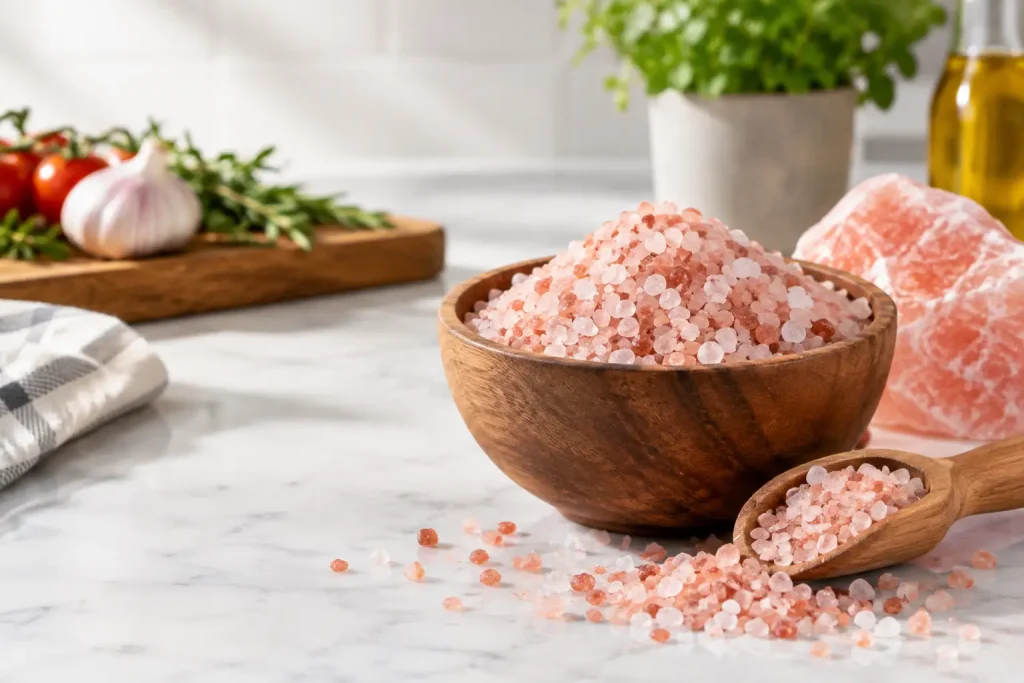
Himalayan pink salt is rock salt mined from ancient salt deposits in the Himalayan foothills, primarily in Pakistan. Like table salt, it is made mostly of sodium chloride. Its blush-to-rose color comes from naturally occurring trace minerals, especially iron compounds.
Those minerals may include tiny amounts of potassium, magnesium, and calcium, along with iron. They are part of what gives the crystals their attractive color and subtle character. But the word “trace” matters. The amounts present in a normal serving of salt are generally too small to serve as a meaningful source of daily minerals.
That does not make pink salt a gimmick. It simply puts it in the right place on the plate. Think of it as a quality seasoning ingredient, not a replacement for vegetables, fruit, beans, dairy, seafood, or other nutrient-rich foods.
Himalayan Pink Salt Benefits That Hold Up
The best Himalayan pink salt benefits are culinary and ingredient-focused. It offers a clean salty flavor, an appealing natural color, and a crystal texture that works beautifully in a wide range of cooking. For people choosing seasonings carefully, it can also fit a kitchen built around recognizable ingredients rather than artificial flavors and filler-heavy mixes.
A clean flavor foundation
Salt is not meant to make food merely salty. Used well, it brightens the savory depth in a burger, softens bitterness in greens, makes roasted sweet potatoes taste sweeter, and helps herbs and spices show up with more confidence.
Pink salt has a mild, clean profile that works especially well when you want the food and the spice blend to stay front and center. On chicken, salmon, corn, eggs, tomatoes, potatoes, and grilled vegetables, it gives you that essential seasoning backbone without competing with the other flavors.
Texture you can use on purpose
Crystal size changes how salt performs. Fine pink salt disperses easily in dry rubs, soups, sauces, marinades, and everyday cooking. Larger crystals can add a satisfying pop as a finishing touch over a sliced steak, grilled shrimp, avocado, or chocolatey dessert.
This is a practical benefit, not just a pretty one. A larger crystal on the surface delivers a quick burst of salinity, while finely ground salt seasons more evenly throughout the food. Keep both textures around if you cook often, and use each where it earns its place.
A naturally colorful finishing touch
Food should look as good as it tastes. A few pink crystals over a golden baked potato, grilled corn, fresh cucumber, or a platter of roasted vegetables can make a simple meal feel more special without adding extra sauces or complicated steps.
That visual appeal is particularly welcome when you are feeding guests or putting together a barbecue spread. It is a small touch, but small touches are often what turn good home cooking into the meal everyone talks about afterward.
A fit for simple-ingredient cooking
Many cooks choose Himalayan pink salt because they want seasoning with an easy-to-understand ingredient list. It is naturally free from MSG, artificial flavors, preservatives, and fillers because it is simply salt.
Of course, that does not automatically make every product containing pink salt a better choice. Read the full label on spice blends, sauces, and marinades. The whole ingredient lineup matters. At Heath’s Blends, Himalayan pink salt is chosen as part of a bigger commitment to organic herbs and spices, non-GMO ingredients, and no artificial extras.
What Pink Salt Does Not Do
A little kitchen honesty makes every meal better. Himalayan pink salt is still salt, and it contains sodium. It is not a detox tool, a cure-all, or a free pass to season without limits.
Because pink salt is primarily sodium chloride, it affects sodium intake much like other salts when measured by weight. Some coarse crystals may take up more room in a teaspoon than fine table salt, so volume measurements can be misleading. If you are comparing sodium, look at serving sizes and weight rather than assuming the pink color means dramatically less sodium.
People managing high blood pressure, kidney disease, heart conditions, or a sodium-restricted eating plan should follow guidance from their healthcare professional. The same goes for anyone whose medication affects fluid balance or potassium levels.
There is one more useful consideration: many Himalayan salts are not iodized. Iodine supports normal thyroid function, and iodized table salt has long been a reliable source in American diets. If pink salt is your main cooking salt, make sure iodine is coming from other foods or an appropriate source recommended for your needs. Seafood, dairy, eggs, and some fortified foods may help, depending on your diet.
How to Cook With Himalayan Pink Salt
The easiest way to get more from pink salt is to treat it as a layer of flavor, not the only flavor. Start modestly, taste as you go, and leave room for the herbs, spices, smoke, acid, and natural juices that make a dish complete.
For a weeknight chicken dinner, use fine pink salt early with garlic, paprika, black pepper, and a little olive oil. Salting before cooking gives the seasoning time to move beyond the surface. Finish with lemon after the chicken comes off the heat, and you get salt, savoriness, warmth, and brightness in one bite.
For steaks, burgers, pork chops, or mushrooms on the grill, a coarse pink salt finish can be excellent. Season ahead with your favorite rub or blend, cook until beautifully browned, then add just a few crystals after resting. That final sprinkle should taste intentional, not heavy-handed.
Pink salt also shines on vegetables. Toss broccoli, zucchini, cauliflower, carrots, or sweet potatoes with oil and seasoning before roasting. The high heat concentrates the vegetables’ natural sugars, while the salt keeps the flavor from tasting flat. A squeeze of citrus or a splash of vinegar at the end brings the whole pan to life.
In soups, chili, and beans, add salt in stages. Start with a small amount while the aromatics cook, then taste again after the liquid reduces. If your blend already contains salt, account for that before reaching for the salt cellar. This one habit prevents the most common home-cooking mistake: over-seasoning before the flavors have had time to develop.
Choosing and Storing It Well
Look for Himalayan pink salt with a clear label and a texture suited to how you cook. Fine grain is the everyday workhorse. Coarse grain is great for grinders, grilling, and finishing. If you use a grinder, choose crystals sized for the mechanism so you get a consistent turn every time.
Store it in a dry, airtight container away from steam and splatters. Salt does not spoil in the usual sense, but moisture can cause clumping and make it harder to measure. A covered salt cellar near the stove is convenient, but keep it far enough from boiling pots that it stays dry.
The best seasoning does not need to steal the show. Himalayan pink salt earns its spot by helping the food you already love taste fuller, brighter, and more satisfying. Use it with a confident hand, a curious palate, and something delicious on the grill.