
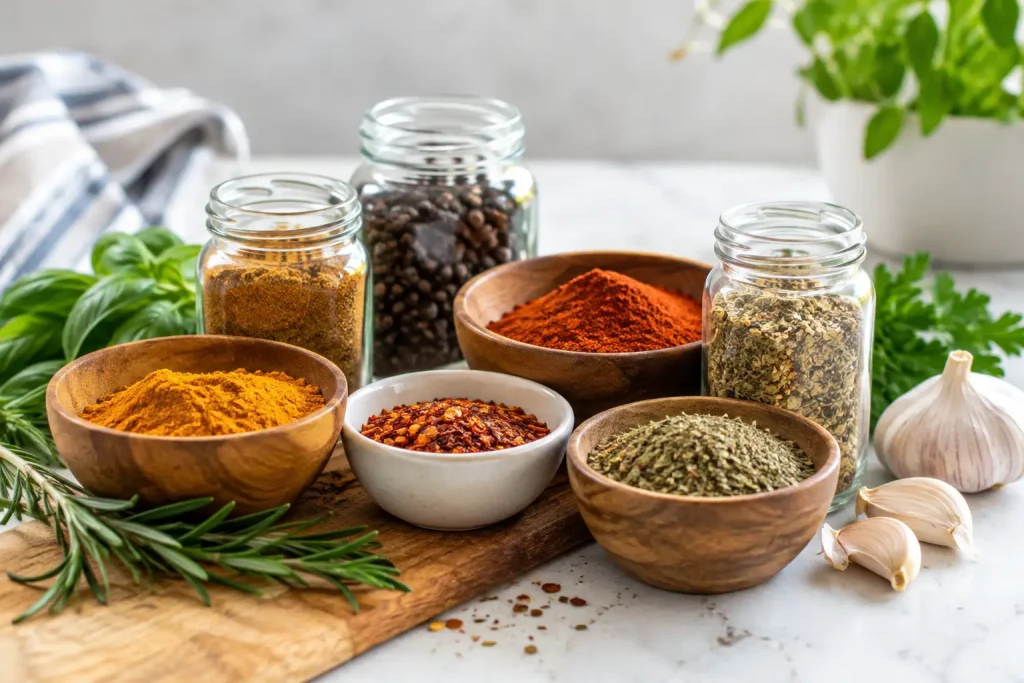
The chicken is thawed, the clock says 6:15, and everyone is asking what’s for dinner. That is exactly when the right weeknight meal spices prove their value. A dependable blend can turn a plain skillet of chicken, a tray of vegetables, or a pot of beans into a meal that tastes like you gave it far more thought than you had time for.
The goal is not to crowd your cabinet with spices you use twice a year. It is to keep a small, hardworking lineup that brings bright, savory, smoky, tangy, and satisfying flavor to the food your household already loves. Great seasonings also make cooking easier to repeat, which matters on a Tuesday night when a recipe with 18 ingredients is not happening.
What Makes a Spice Good for Weeknight Cooking?
A weeknight seasoning should do more than taste good on one kind of meat. It needs to work across the meals that actually show up in a busy kitchen: burgers, roasted potatoes, sheet-pan vegetables, fish, rice bowls, pasta, soup, eggs, and leftovers that need a second life.
Balance matters. A blend with salt, herbs, spices, and aromatics gives you a reliable foundation without requiring a separate pinch of six different jars. The best ones have enough personality to make dinner memorable, but not so much heat or sweetness that they limit what you can cook with them.
Ingredient quality matters, too. Fresh herbs and spices carry more aroma, while a clean formula lets the food come through. Blends made without MSG, fillers, artificial flavors, or preservatives are especially useful for households that want clear ingredient choices without giving up bold flavor. Himalayan pink salt adds a clean savory note and makes a simple seasoning routine feel a little more special.
7 Weeknight Meal Spices Worth Keeping Close
1. A savory all-purpose garlic and pepper blend
If you only reach for one shaker tonight, make it a savory blend built around garlic, pepper, salt, and onion. This is the workhorse for chicken thighs, burgers, scrambled eggs, roasted broccoli, and buttery noodles. It adds depth quickly and does not demand a particular cuisine or cooking method.
Use it before cooking for the best crust on proteins and vegetables. For eggs, fries, or popcorn, a light finishing shake works beautifully. The trade-off is that an all-purpose blend is usually not the best choice when you want a strong barbecue, citrus, or chile-forward personality. That is why it belongs beside, not instead of, a few more focused flavors.
2. Bright lemon pepper seasoning
Lemon pepper earns its place because it wakes up mild foods. Sprinkle it on salmon, shrimp, chicken cutlets, asparagus, green beans, or a quick pasta tossed with olive oil. When a meal tastes flat, citrus and pepper can make it feel lighter and more complete without adding a complicated sauce.
Be mindful of salt levels when using lemon pepper with salty ingredients such as feta, Parmesan, olives, or cured meats. A peppery lemon blend works best when it has real citrus character and enough black pepper to bring a little warmth, not just a sharp salty punch.
3. A smoky barbecue blend
You do not need a smoker or a weekend cookout to enjoy smoky flavor. A balanced barbecue seasoning turns ground beef into excellent burger patties, gives chicken drumsticks a backyard-grill feel, and makes roasted sweet potatoes hard to leave alone. It can also add welcome depth to baked beans, chili, and meatloaf.
For fast cooking, season generously before the food hits the pan or oven. If your barbecue blend includes sugar, watch high-heat cooking closely because it can darken quickly. Use medium heat for stovetop meals, or add a final dusting after cooking when you want more barbecue flavor without risking a scorched crust.
4. Southwest-style chile and cumin seasoning
Taco night gets easier when you have a Southwest blend ready to go. Chile, cumin, garlic, onion, and herbs bring warmth and earthiness to ground turkey, beef, black beans, fajita vegetables, and rice bowls. It is also a strong choice for a quick tortilla soup or a pan of roasted cauliflower.
This style is not only for tacos. Toss it with chickpeas before roasting, stir it into sour cream for a fast sauce, or use it to season a breakfast hash with potatoes and eggs. Heat varies by blend, so start with a lighter hand when cooking for kids or guests who prefer mild food. You can always pass hot sauce at the table.
5. A tangy salt and vinegar blend
Some meals need zip more than heat. A salt and vinegar seasoning brings that mouthwatering tang to oven fries, potato wedges, crispy chickpeas, green beans, and grilled chicken. It is an easy way to make vegetables feel less like an obligation and more like the part everyone reaches for first.
Use it as a finishing seasoning when you want the tangiest result. Adding it too early to wet foods can soften its bright edge, while a final sprinkle holds onto that familiar, craveable bite. It is particularly useful for leftovers, where a little acid-forward flavor can make yesterday’s roasted vegetables taste fresh again.
6. A steakhouse herb blend
A bold steak seasoning is not just for steak. Pepper, garlic, herbs, and savory spices work wonders on pork chops, mushrooms, baked potatoes, and grilled zucchini. Keep this one around for the nights when you want a hearty, savory dinner that feels like a treat without leaving your kitchen.
The key is to give it a few minutes to settle on the food before cooking. Even 10 minutes while the oven heats lets salt and seasonings begin to do their job. For thinner cuts, use a moderate amount so the seasoning supports the meat rather than taking over every bite.
7. A versatile smoked chile blend
A smoked chile blend brings deeper heat than standard black pepper, making it a smart choice for shrimp, chicken wings, burgers, corn, and creamy soups. It gives food a slow-cooked character even when dinner comes together in 30 minutes. A little can also transform a basic grilled cheese or bowl of macaroni and cheese.
This is the blend for people who like a little fire but still want flavor first. Use less if you are seasoning a large batch for mixed heat preferences, then let spice fans add more at the table. Good chile flavor should build warmth and richness, not simply overwhelm the meal.
Make the Most of Your Weeknight Meal Spices
The fastest route to better dinner is seasoning food at the right moment. For chicken, pork, fish, and vegetables headed to the oven or grill, season before cooking so the blend can adhere and develop flavor. For quick skillet meals, add seasoning early enough to toast the spices lightly in the oil, but not so early that garlic or herbs burn.
Taste near the end. If the food needs more flavor, do not automatically add more salt. It may need brightness from a lemon-forward blend, smoke from a barbecue rub, or warmth from a Southwest seasoning. Matching the last sprinkle to what is missing makes a bigger difference than piling on more of the same.
It also helps to choose one main flavor direction per meal. A smoky barbecue chicken paired with tangy roasted green beans makes sense because the flavors complement each other. Using barbecue, lemon pepper, and a heavy Southwest blend all on the same plate can get muddy fast. A good seasoning cabinet gives you options, not an excuse to use every jar at once.
A Simple Weeknight Rotation That Never Feels Boring
Build your dinners around ingredients, then change the flavor profile. Chicken thighs can become lemon pepper chicken with green beans one night, Southwest chicken tacos the next, and smoky barbecue chicken with roasted sweet potatoes later in the week. The grocery list stays manageable while dinner keeps changing.
The same approach works for vegetables and pantry staples. Roast broccoli with savory garlic pepper, season black beans with Southwest spices, or finish crispy potatoes with salt and vinegar. At Heath’s Blends, that kind of flexibility is the point: clean, carefully selected ingredients that help everyday food burst with flavor on any type of plate.
Keep your favorite blends where you can reach them, season with confidence, and let tonight’s simple ingredients earn a little applause at the table.