
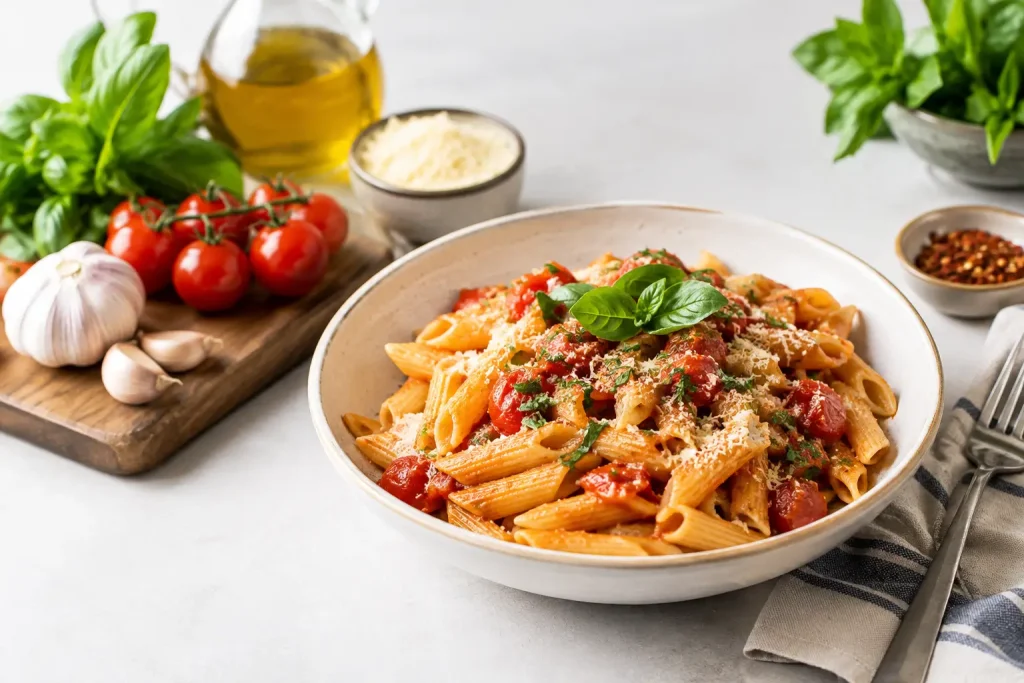
The chicken is cooked, the vegetables are tender, and dinner still tastes a little flat. That is the moment dinner flavor shortcuts earn their place in your kitchen. You do not need a sink full of measuring spoons or a two-hour sauce to make a Tuesday-night meal feel special. You need a few dependable moves that build savory depth, brightness, heat, and aroma at the right time.
The best shortcuts are not about covering up food. They are about starting with good ingredients, seasoning with intention, and knowing which small finish turns “fine” into “can I have seconds?” Here are seven ways to get there.
1. Start With One Complete Seasoning Blend
A quality seasoning blend is the quickest route to a balanced flavor base. Instead of reaching for garlic powder, paprika, pepper, salt, onion, herbs, and a pinch of this or that, use one blend designed to bring those notes together.
For weeknight chicken, burgers, roasted potatoes, shrimp, or vegetables, season before cooking so the herbs and spices have time to bloom in the heat. A blend with clean, recognizable ingredients can give you consistent flavor without artificial flavors, fillers, preservatives, or MSG. That matters when the seasoning is doing most of the work.
Match the profile to the meal rather than treating every blend the same. A peppery, savory blend makes steak, mushrooms, and potatoes feel right at home. A bright lemon-forward blend brings fish, chicken, asparagus, and green beans to life. Smoky or Southwest-style seasoning gives ground beef, tacos, chili, corn, and roasted sweet potatoes a bigger personality in seconds.
Heath’s Blends are made for exactly this kind of cooking: generous flavor that works across proteins, vegetables, soups, and whatever is in the refrigerator.
2. Brown Food Before You Add Liquid
If you remember one cooking move, make it this one: give food some color. Browning creates the deep, savory flavor that makes a quick skillet dinner taste like it had more time than it did.
Let chicken thighs, pork chops, sausage, ground beef, mushrooms, or onions sit against a hot pan long enough to develop a browned surface. Resist the urge to stir every few seconds. When food releases easily from the pan, it is usually ready to turn.
Then add your liquid – broth, canned tomatoes, a splash of wine, or even water – and scrape up the browned bits. Those little bits are not a mess. They are concentrated flavor. This shortcut works especially well for soups, pan sauces, rice skillets, and pasta sauces.
There is a trade-off: a crowded pan steams instead of browns. If you are cooking a large batch of vegetables or meat, work in two rounds. The extra five minutes can make the finished dish taste dramatically better.
3. Use Acid at the Finish, Not Just at the Beginning
Salt makes flavors clearer, but acid makes them feel alive. A squeeze of lemon over grilled chicken, a spoonful of vinegar in beans, or a small splash of pickle brine in a creamy dressing can wake up a whole dinner.
The key is timing. Acids added early can mellow as they cook, which is useful in braises and sauces. For a fresh, bright pop, add them just before serving. Taste first, then add a small amount. You want the food to taste more like itself, not like a lemon wedge or vinegar bottle.
Try lemon with seafood, roasted broccoli, chicken, and creamy pasta. Use apple cider or red wine vinegar with greens, beans, pork, and barbecue-style dishes. Lime belongs with Southwest flavors, tacos, fajitas, corn, and avocado. This is one of the most affordable dinner flavor shortcuts because a little goes a long way.
4. Turn Pan Drippings Into a Fast Sauce
A pan sauce sounds fancy, but it is often a five-minute decision made after the main ingredient is cooked. Move your chicken, pork, steak, or fish to a plate to rest. Then use the same skillet to build a sauce from what is already there.
Add a small splash of broth, wine, or water and scrape the pan. Stir in a pat of butter or a drizzle of olive oil for body, then finish with lemon juice, vinegar, or a pinch more seasoning. If you have Dijon mustard, a spoonful can add tang and help bring the sauce together.
For a creamy version, add a splash of cream or plain Greek yogurt off the heat. For a bolder version, use a smoky seasoning blend and a little tomato paste. The point is not to follow a strict formula. It is to use the flavorful foundation already left in the pan.
5. Keep a Few High-Impact Pantry Helpers
A shortcut pantry is not about buying every specialty item in the grocery store. It is about keeping a handful of ingredients that add depth quickly when fresh ingredients are limited.
Tomato paste brings concentrated sweetness and savory richness to soups, chili, taco meat, and pasta sauce. Better yet, let it cook for a minute in the pan before adding liquid. Canned beans can turn seasoned vegetables and broth into dinner, especially with a smoky blend and a bright finish. Broth, canned tomatoes, and a good hot sauce are equally useful when a skillet needs more body.
For extra umami, keep grated Parmesan, soy sauce, Worcestershire sauce, or miso on hand, depending on what your household enjoys. These ingredients are powerful, so treat them as supporting players. Use too much, and dinner can become salty or heavy. Use just enough, and a simple pot of rice, beans, and roasted vegetables tastes full and satisfying.
6. Give Plain Carbs a Job
Rice, pasta, potatoes, bread, and tortillas are more than side dishes. They carry the sauces, seasonings, and juices that make a meal feel complete. The shortcut is to season them on purpose instead of serving them plain.
Toss warm rice with butter, a savory seasoning blend, and a squeeze of citrus. Roast cubed potatoes with olive oil and a steakhouse-style blend until crisp at the edges. Finish pasta in its sauce with a splash of pasta water, then add black pepper, herbs, and cheese. Warm tortillas directly over a burner or in a dry skillet for a few seconds to bring out their aroma.
A well-seasoned base stretches a smaller portion of meat or seafood without making the plate feel skimpy. It is especially helpful when you are feeding a family, clearing out the refrigerator, or trying to make leftovers feel new.
7. Add One Fresh or Crunchy Finish
Hot, savory food needs contrast. That does not require a complicated garnish. It can be chopped scallions over a baked potato, shredded cabbage on tacos, fresh herbs on soup, crispy onions over green beans, or toasted breadcrumbs on pasta.
Think about what your dinner is missing. If it is rich, add something sharp and fresh. If it is soft, add crunch. If it is spicy, add a cooling spoonful of yogurt, sour cream, or avocado. If it is mild, add a finishing pinch of seasoning, cracked pepper, or a dash of hot sauce.
This is also where leftovers get a second life. Yesterday’s roast chicken can become tonight’s tacos with a fresh slaw, lime, and a Southwest-style seasoning. Leftover grilled vegetables can become a grain bowl with a punchy dressing and toasted nuts, if nuts work for your household. The cooking is already done. The finish makes it feel intentional.
Make Your Shortcuts Work for Your Dinner
The most useful dinner flavor shortcuts are the ones you will actually use when the day runs long. Keep one or two favorite seasoning profiles within reach, learn to brown before adding liquid, and make a habit of tasting before dinner hits the table. Some nights call for smoky barbecue flavor, while others need peppery lemon, bright herbs, or a hearty savory kick.
Good home cooking does not have to be complicated to feel generous. Put a little care into the seasoning, give the pan a chance to do its work, and finish with something bright. It is amazing what spice can do.