
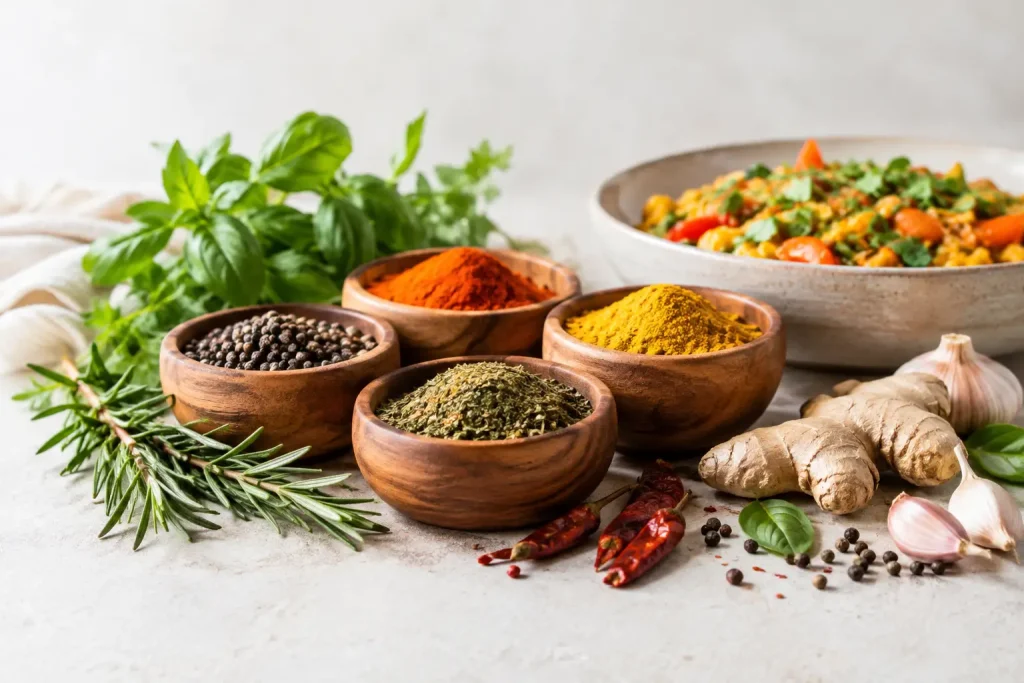
A grilled chicken breast can be perfectly cooked and still taste flat. A tray of roasted vegetables can have great color but need something more. That is where organic spice benefits become real at the dinner table: better ingredients can bring brighter aroma, fuller flavor, and more confidence to the meals you already make.
For home cooks, the appeal is not about turning every Tuesday-night dinner into a complicated project. It is about reaching for a seasoning that makes steak, shrimp, potatoes, ribs, soup, or broccoli taste like you meant it. When a blend is made with thoughtfully selected organic herbs and spices, it gives you a clean, dependable starting point for cooking food your family wants to eat.
What Are the Real Organic Spice Benefits?
Organic spices are grown and processed under standards that restrict many synthetic pesticides and fertilizers. That growing method matters to shoppers who want more transparency around the ingredients in their pantry. But the best reason to cook with organic spices is still deliciously simple: they make food taste good.
Herbs and spices carry natural aromatic compounds that create the warm, peppery, smoky, citrusy, earthy, and savory notes we love. Think of the lift that black pepper gives a burger, the sunny zip of lemon peel on fish, or the deep, slow-building warmth of chili and cumin in a pot of beans. A well-made blend lets those flavors work together without asking you to measure six different jars while dinner is already running late.
Organic does not automatically mean a spice blend will taste stronger than every conventional option. Freshness, sourcing, storage, and the balance of the recipe all matter. Still, choosing organic seasonings from a brand that is serious about ingredient selection can be a smart way to build more flavor into everyday cooking while keeping the label straightforward.
Cleaner Labels Make Everyday Choices Easier
The ingredient list is part of the meal. Many seasoning mixes rely on fillers, artificial flavors, preservatives, excessive sugar, or flavor enhancers that do not add much to the food you are cooking. A clean organic blend puts the focus back where it belongs: herbs, spices, and salt chosen to support the dish.
For cooks avoiding MSG, nuts, artificial flavors, or unnecessary additives, this can take some of the guesswork out of shopping. You can season a skillet of vegetables or a rack of ribs without wondering what is hiding behind a vague flavoring term. That peace of mind is especially useful when you cook for a household with different preferences and dietary needs.
It also helps you control the rest of the recipe. Start with a flavorful blend, then decide whether your dish needs extra heat, a squeeze of citrus, fresh garlic, or a touch of sweetness. You are enhancing food, not covering it up.
Organic Spice Benefits for Flavor-First Cooking
Great seasoning should earn its space on the counter. The right blend can turn a few basic ingredients into a meal with real personality.
A tangy barbecue-style seasoning brings life to chicken thighs, pulled pork, grilled corn, and baked beans. A peppery steak blend can do double duty on burgers, mushrooms, potatoes, and roasted cauliflower. Southwest flavors make easy work of tacos, fajitas, chili, eggs, and sheet-pan chicken. Lemon and pepper are a natural match for salmon, shrimp, asparagus, and buttery pasta.
That versatility is one of the biggest benefits of using a quality blend. Rather than buying a separate seasoning for every single recipe, you can learn what each profile does and use it across proteins, vegetables, and sides. A bold smoky blend may be your answer for ribs on Saturday and black beans on Monday. The same seasoning that wakes up a pork chop can give roasted sweet potatoes a craveable crust.
Flavor Can Help You Rely Less on Heavy Extras
When food is well seasoned, it often needs less help from rich sauces, heavy breading, or a last-minute pour of bottled dressing. Spices do not make a meal automatically healthy, and they are not a substitute for a balanced way of eating. They can, however, make simple whole foods more satisfying.
Try seasoning zucchini, bell peppers, onions, or cauliflower before roasting. Toss chicken breasts with a flavorful blend before grilling instead of waiting to drown them in sauce afterward. Stir warm spices into a pot of lentils or vegetable soup. The goal is not to eat bland food in the name of wellness. The goal is to make nourishing ingredients taste so good that everyone comes back for another bite.
Salt deserves a thoughtful mention here, too. Himalayan pink salt brings a clean, savory flavor and contains trace minerals, but it is still salt. If you are watching sodium for personal health reasons, use any seasoning blend with portion awareness and taste as you go. The beauty of a bold spice-forward blend is that aromatic herbs, peppers, garlic, onion, and citrus notes can carry a lot of the flavor story.
How to Get More From Your Seasonings
The most flavorful cooking often comes down to timing. Season proteins early when you can. A steak, pork tenderloin, or chicken thigh benefits from a little time with its seasoning before it hits the heat. Even 20 to 30 minutes can help the exterior take on more character.
For vegetables, use enough oil to help the spices cling, then season before roasting or grilling. High heat concentrates natural sweetness and creates those browned edges that pair beautifully with smoky, peppery, or savory blends. If you are cooking delicate fish or shrimp, season shortly before cooking so the flavor stays bright and the texture stays tender.
Keep spices away from heat, steam, and direct sunlight. A cabinet near the stove may be convenient, but it can shorten the life of delicate herbs and aromatic ingredients. Close lids tightly, use a dry spoon, and buy amounts you will actually use. Freshness is not a fancy extra – it is the difference between a seasoning that smells alive and one that disappears into the dish.
Choosing an Organic Blend That Fits Your Kitchen
Look beyond the word organic on the front of the package. Read the ingredient panel and ask whether the blend fits the way you cook. A backyard barbecue fan may want smoke, pepper, garlic, and a little tang. A seafood lover may lean toward lemon, herbs, and a clean pepper finish. A busy family might get the most use from an all-purpose blend that works on chicken, potatoes, eggs, vegetables, and soup.
The best blend is not necessarily the hottest, saltiest, or most complicated one. It is the one you reach for often because it makes cooking easier and food more memorable. At Heath’s Blends, that means building flavor with organic herbs and spices, Himalayan pink salt, and no MSG, fillers, preservatives, nuts, or artificial flavors.
Start with one meal this week that usually feels routine. Season it generously, cook it with care, and taste before adding anything else. It is amazing what a good spice blend can do when the ingredients are allowed to shine.