
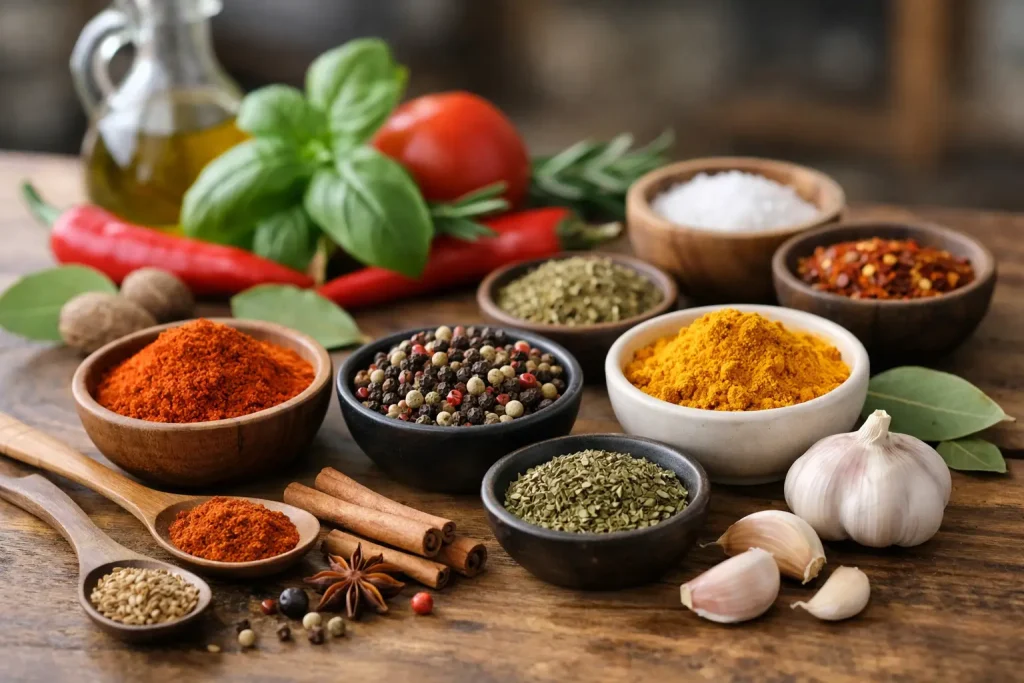
A great meal often comes down to one decision: what seasoning belongs on the food in front of you? This spice pairing guide takes the guesswork out of that moment, whether you are firing up burgers, roasting a sheet pan of vegetables, or trying to make Tuesday night chicken taste like something worth talking about.
The goal is not to bury every ingredient under a mountain of spices. It is to match flavor intensity, cooking method, and richness so each bite tastes balanced. Bright seasonings wake up seafood and vegetables. Smoky, savory blends stand up to char and rich cuts of meat. Tangy flavors cut through fat. Once you see those patterns, cooking with spices feels a whole lot easier.
Start With the Food’s Personality
Before reaching for the shaker, consider what the ingredient brings to the plate. A ribeye is rich, fatty, and made for a hearty seasoning with pepper, garlic, savory herbs, or a smoky edge. Cod is mild and delicate, so it benefits from lemony, herb-forward, or lightly peppery flavor that lets the fish stay in the spotlight.
Cooking method matters just as much. High-heat grilling and roasting mellow certain spices while creating browned, caramelized flavor. That gives you room for bolder blends. Steaming, sautéing, and quick pan cooking preserve more of a seasoning’s sharp personality, so use a lighter hand at first.
Think of spice pairing as a conversation, not a rulebook. If a flavor makes your mouth water, it may be exactly right. The useful part is knowing how to adjust when a dish needs more brightness, savoriness, heat, or depth.
A Spice Pairing Guide by Main Ingredient
Steak, burgers, and hearty beef
Beef loves big flavor. Peppery, garlicky, onion-forward, and savory seasoning blends complement its richness without getting lost. A classic steak seasoning is a natural choice for ribeyes, strip steaks, ground beef, meatloaf, and burgers, especially when it includes a satisfying hit of salt and coarse pepper.
For barbecue-style beef, bring in smoke, paprika-like warmth, or tangy notes. Brisket, short ribs, and chuck roast have enough richness to handle a deeper, more assertive profile. A tangy BBQ blend works especially well when the meat will cook low and slow, since its flavor has time to settle into the crust.
There is one trade-off: sugar-heavy seasonings can scorch over direct high heat. If you are grilling a burger or steak fast, use a savory blend during cooking and save a sweet barbecue glaze for the final minutes.
Chicken, turkey, and pork
Poultry is the weeknight champion because it plays well with nearly everything. For simple grilled chicken, lean into garlic, pepper, herbs, citrus, or a Southwest-style blend. Those flavors add personality without requiring a marinade or a cabinet full of jars.
Chicken thighs and turkey legs can take more heat and smoke than chicken breast. If you are roasting thighs, seasoning wings, or grilling drumsticks, a smoky blend with pepper and warm spices brings serious payoff. Chicken breast is leaner, so bright lemon-pepper or herb-forward flavor keeps it lively and helps it avoid tasting flat.
Pork is especially good with sweet-smoky, tangy, peppery, and warm spice notes. Use a bold barbecue blend on ribs and pulled pork. For pork chops or tenderloin, tangy seasoning gives the rich meat a welcome lift. Add the seasoning before cooking, then let the meat rest after it comes off the heat so the juices stay where they belong.
Seafood that tastes fresh, not fussy
Seafood needs a little restraint. Salmon can carry smoke, black pepper, garlic, and Southwest-style warmth because it has a richer texture. Shrimp is quick-cooking and mild, which makes it excellent with peppery lemon, garlic, chile, or a bright herb blend. White fish usually shines with citrus, gentle pepper, and herbs.
Salt is helpful here, but timing is worth considering. Season firm fish such as salmon before it hits the grill or pan. With delicate fish, season shortly before cooking so the surface does not release too much moisture. For shrimp, toss with oil and seasoning just before cooking, then move fast. A few minutes in a hot skillet can turn a simple dinner into something special.
Avoid overpowering delicate seafood with the same heavy hand you would use on ribs. If you want smoky flavor, choose a lighter coating and pair it with lemon at the table.
Vegetables with real main-character energy
Vegetables do not need to be treated like an afterthought. Roasting concentrates their natural sweetness, which makes them a perfect match for savory, peppery, smoky, and tangy seasonings. Potatoes, cauliflower, Brussels sprouts, carrots, and mushrooms all benefit from a generous coating of oil and a blend with enough salt and spice to form a flavorful crust.
For grilled vegetables, peppery garlic blends and Southwest seasoning are dependable choices. Zucchini, peppers, onions, corn, and eggplant pick up char quickly, so season them well and cook until lightly browned rather than soft and tired.
Delicate vegetables call for a different approach. Green beans, asparagus, peas, and summer squash are better with bright lemon-pepper, herbs, or a clean savory blend. Season after cooking if you want the fresh notes to stay front and center.
Soups, beans, eggs, and everyday sides
Some of the best uses for seasoning blends happen far from the grill. Add savory, peppery flavor to scrambled eggs, breakfast potatoes, rice, beans, popcorn, and creamy dips. A Southwest profile can turn canned black beans, corn, tomatoes, and rice into an easy side dish with real personality.
For soups and chili, add seasoning in stages. Start with a modest amount while onions or vegetables cook, then taste again once the broth has simmered. Liquid softens flavor at first, but long cooking concentrates it. This is where many home cooks accidentally over-season, especially when the blend already contains salt.
Build Balance With Four Flavor Moves
When a dish tastes good but not quite finished, it usually needs one of four things: salt, brightness, heat, or depth. A clean seasoning blend can handle several of those jobs at once, but knowing what you are tasting helps you make the right adjustment.
Salt makes food taste more like itself. Use it thoughtfully, particularly with cheese, cured meats, broth, soy sauce, and sauces that are already salty. Brightness comes from tangy seasoning, citrus, or vinegar, and it is the answer when rich food feels heavy. Heat creates excitement, but it should support the food rather than turn every meal into a dare. Depth comes from savory herbs, garlic, onion, pepper, and smoky flavors.
A creamy potato salad, for example, may want tang and black pepper. A roasted chicken may want a squeeze of lemon after it cooks. A pot of beans may need another pinch of savory seasoning and a few extra minutes on the stove. Taste before you add more, and let the food tell you what is missing.
How Much Seasoning Should You Use?
For most proteins, begin with about 1 to 1 1/2 teaspoons of seasoning per pound, then adjust for the blend’s salt level and your household’s preferences. Use enough to cover the surface evenly, not so much that you create a thick, dusty layer. Pat meat dry first, lightly coat it with oil if desired, then season from several inches above for better coverage.
Vegetables can often take a little more seasoning than you expect, especially when roasting a large tray. Toss them with oil first so the spices cling evenly. For soups, sauces, and casseroles, begin smaller and build as the dish cooks.
If you are using a blend for the first time, taste it on a small portion before seasoning an entire brisket or holiday turkey. Every blend has its own salt level, heat, and personality. That small test gives you confidence without any surprises.
Keep Your Seasonings Ready for the Job
Freshness makes a bigger difference than most people realize. Herbs and spices lose their fragrance over time, and a dull seasoning cannot give food the lively flavor you were hoping for. Store blends tightly sealed in a cool, dry cabinet, away from the steam and heat of the stove.
Quality matters, too. At Heath’s Blends, the focus is on organic herbs and spices, Himalayan pink salt, and no MSG, fillers, artificial flavors, preservatives, or nuts. That kind of ingredient attention lets the flavor of the food come through while giving you a reliable starting point for meals across the week.
The best pairing is the one that gets used. Keep a bright, peppery option for seafood and vegetables, a bold savory blend for steaks and burgers, and a smoky or tangy favorite for barbecue and roasted meats. Then season generously, taste often, and let dinner earn its spot as the best part of the day.