
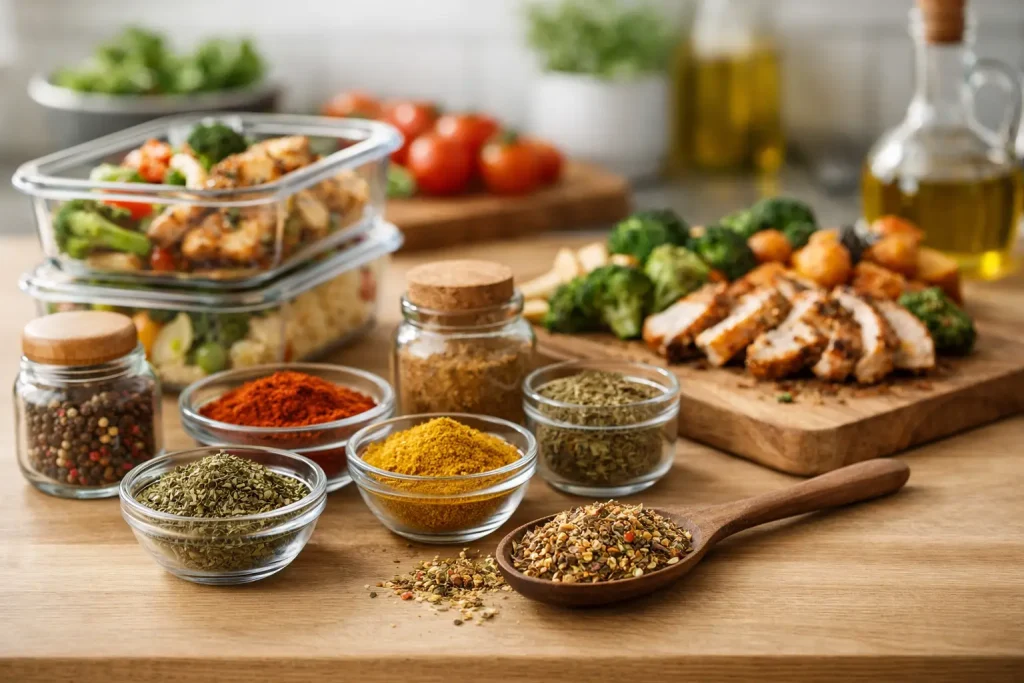
A fridge full of cooked chicken, rice, and roasted vegetables can feel like a victory on Sunday and a bland chore by Wednesday. The difference is often not another complicated recipe. It is choosing meal prep spices with enough character to make the same prepared ingredients taste fresh, satisfying, and worth looking forward to.
A smart seasoning plan helps you cook once and eat well several times. Instead of making five completely different meals, build a few flexible components, season them with purpose, and mix them into bowls, wraps, salads, soups, or dinner plates throughout the week. It is amazing what spice can do for a busy household.
Why Meal Prep Spices Matter More Than You Think
Meal prep is practical, but it can go wrong when every container tastes the same. Plain chicken breast, brown rice, and steamed broccoli may check the nutritional boxes, yet nobody gets excited about repeating that combination four days straight. Seasoning is what gives those basics a point of view.
The best meal prep spices do three jobs at once. They add flavor before cooking, help create a better crust or roast on proteins and vegetables, and give leftovers enough personality to stand up after reheating. A well-built blend also saves time. You do not need to measure paprika, garlic, pepper, herbs, salt, and a half-dozen other spices while trying to get dinner moving.
This is especially useful when you are cooking for different appetites. One person may want a bold Southwest-style rice bowl, while another wants the same chicken sliced into a salad. Start with versatile foods, then let the seasoning steer the meal in the direction you want.
Build Your Prep Around Flavor Families
There is no need to own a cabinet full of single-use seasonings. For most home cooks, a handful of flavor families can cover an entire week of lunches and dinners. Think about the foods you cook most often, then choose blends that work across proteins, vegetables, grains, and sauces.
A peppery, garlic-forward blend is a natural choice for steak, burgers, potatoes, eggs, mushrooms, and roasted broccoli. A bright lemon-and-pepper profile wakes up fish, shrimp, chicken, green beans, and simple grain bowls. Tangy barbecue seasoning earns its place on pulled chicken, ribs, meatloaf, roasted sweet potatoes, and even a quick barbecue bean skillet.
Southwest flavors are especially handy for meal prep because they move easily between dishes. Season chicken thighs for tacos, add the same blend to black beans, and use it again on roasted corn and peppers. Suddenly, one afternoon of cooking gives you taco bowls, lettuce wraps, quesadillas, and a fast soup starter.
At Heath’s Blends, that kind of versatility is the point. A blend should not sit on the shelf waiting for one specific recipe. It should make the food you already cook taste more memorable.
Season at the Right Time
When you add spices matters almost as much as which ones you use. For roasted vegetables and proteins, season before cooking so the flavors have time to bloom in the heat. Toss vegetables with oil and seasoning until each piece is lightly coated. For chicken, pork, steak, or tofu, pat the surface dry first, then apply the blend evenly.
For beans, soups, and grains, add seasoning early enough for the flavors to settle in, but taste again near the end. Liquid can soften a spice blend’s impact, particularly after several days in the refrigerator. A small final pinch before serving can bring a leftover soup or pot of rice back to life.
There is one trade-off: acidic or sugar-forward barbecue blends can darken quickly over high heat. That is delicious on a slower grill or moderate oven roast, but watch them closely in a blazing-hot skillet. If needed, cook with a lighter coating and add another dusting after the food comes off the heat.
A Simple Meal Prep Spice Plan for the Week
Choose two or three seasoning directions rather than putting a different blend on every item. This keeps shopping and cooking manageable while still giving you variety. For example, you might prep one bright, zesty protein, one smoky or tangy protein, and one hearty vegetable side.
Try this approach:
- Season chicken breasts or thighs with a peppery lemon blend for salads, wraps, and grain bowls.
- Use a tangy barbecue blend on shredded chicken, turkey meatballs, or pork for sandwiches, baked potatoes, and barbecue bowls.
- Coat cauliflower, zucchini, bell peppers, and onions with a Southwest-style blend for tacos, breakfast scrambles, or rice bowls.
- Keep a savory garlic-and-pepper blend ready for potatoes, mushrooms, burgers, and eggs when you need a quick change of pace.
The ingredients overlap, but the finished meals do not feel repetitive. Bright chicken with rice and cucumber can become a totally different lunch from smoky barbecue chicken with sweet potatoes and green beans.
Make Grains, Beans, and Vegetables Pull Their Weight
Protein gets most of the attention in meal prep, but side dishes are where flavor often disappears. Rice tastes better when it is seasoned while hot with a little oil or butter and a light shake of herbs, pepper, and salt. Farro, quinoa, and couscous benefit from the same treatment.
Beans are another easy win. Warm black beans in a skillet with a spoonful of water or broth and your favorite Southwest seasoning. Let them simmer for a few minutes so the spice clings to the beans instead of tasting like a last-minute dusting. Use them in a bowl with roasted vegetables one day, then tuck them into a tortilla with cheese and salsa the next.
Roasted vegetables can take more seasoning than most people expect. A full sheet pan of broccoli, carrots, cauliflower, or Brussels sprouts needs enough blend to reach every bite. Do not bury the vegetables, but do not be timid either. The high heat, natural sweetness, and moisture loss of roasting can mellow the spice profile.
Keep Flavor Fresh Through Reheating
The best-prepped meal still needs a good finish. Reheating can dull aroma and make salt taste more pronounced, so avoid over-seasoning the first time around. It is easier to add a final sprinkle than to rescue a dish that is too salty.
Store sauces separately when possible, especially for barbecue bowls and salads. Keep a small container of a bright finishing element nearby, such as lemon juice, vinegar-based hot sauce, chopped herbs, or a yogurt sauce. Those additions are not replacements for great seasoning, but they add contrast after a few days in the fridge.
If you are preparing fish or shrimp, consider cooking it closer to the day you plan to eat it. Seafood can be excellent for meal prep, but its texture is less forgiving than chicken, beans, or roasted vegetables. A Peppery Lemon-style seasoning makes a fast weeknight seafood dinner feel special without requiring a complicated marinade.
Choose Clean, Useful Blends
Read the label before you make a blend part of your weekly routine. The goal is flavor, not a long list of fillers, artificial flavors, or mystery ingredients. Seasonings made with quality herbs and spices give you a clear, dependable starting point, while Himalayan pink salt can add a clean savory note to everyday cooking.
If your household avoids MSG, nuts, preservatives, or certain additives, a clear ingredient standard matters even more. Meal prep means you may be eating the same foods repeatedly, so it feels good to know what is doing the flavor work. Organic herbs and spices, non-GMO ingredients, and straightforward formulas let the real food stay at the center of the plate.
Your spice cabinet does not need to be complicated to make meal prep exciting. Cook a few solid ingredients, give each one a flavor worth repeating, and leave room for a final shake of seasoning when dinner needs a little more fire. That is how a container of leftovers becomes something you are genuinely happy to open.