
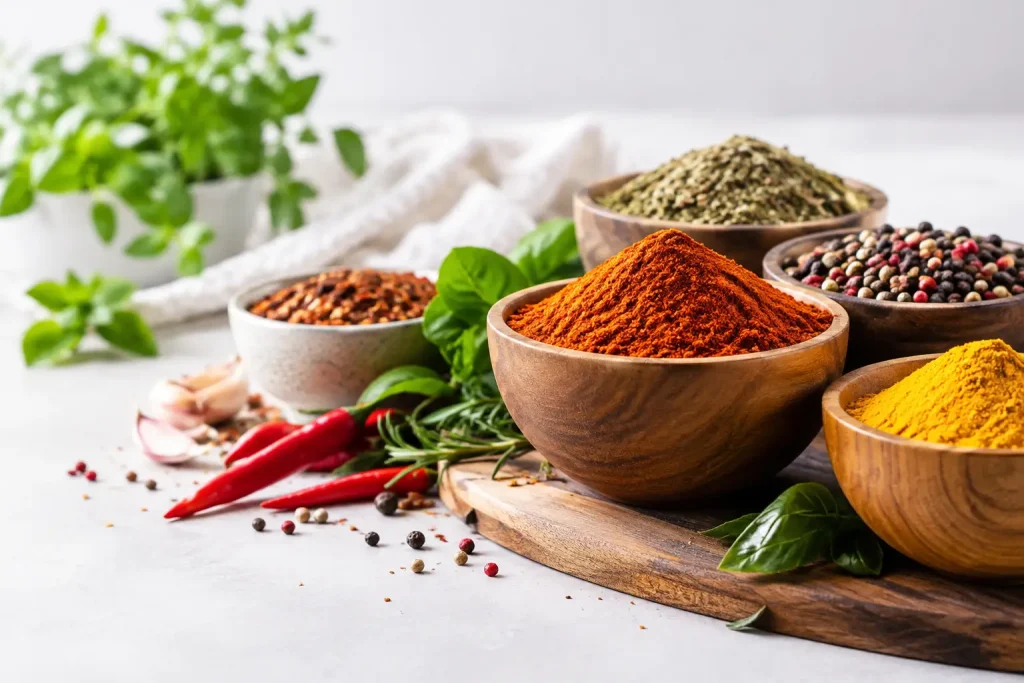
The most exciting spice trends are not reserved for restaurant kitchens or hard-to-find ingredients. They are showing up on Tuesday-night chicken, backyard burgers, roasted vegetables, and the pot of soup that needs a little more personality. Home cooks want flavor that feels fresh, memorable, and easy to use – without a cabinet full of half-used jars or a long list of mystery ingredients.
That is good news for anyone who believes food should taste like something. The current movement is less about chasing heat for heat’s sake and more about building layers: a little smoke, a bright hit of citrus, savory pepper, gentle sweetness, or a tangy finish that makes you reach for another bite. Here is what is shaping the way America is seasoning dinner.
Spice Trends Are Getting Bolder, Not Harder
Big flavor used to sound like a complicated project. Toast whole spices, grind them at the right moment, balance five different measurements, then hope the final dish tastes the way you pictured it. There is plenty of joy in cooking from scratch, but most weeknights call for something more practical.
Today’s home cooks are looking for blends that deliver a clear flavor direction in one shake. A smoky barbecue blend can give ribs, burgers, and baked beans a deeper, slow-cooked character. A peppery garlic blend can wake up steak, potatoes, mushrooms, and eggs. Southwest-inspired seasoning can take chicken, shrimp, corn, or black beans from familiar to seriously craveable.
The key is that convenience should not mean flat flavor. A dependable blend still needs balance. Salt should support the herbs and spices, not bury them. Heat should have a purpose. Garlic and onion should bring savory depth without turning every meal into the same meal. When a seasoning is thoughtfully made, it gives everyday cooks a strong starting point and still leaves room for their own finishing touches.
Bright, Tangy Flavors Are Having a Moment
Rich foods need contrast, which is one reason citrus and vinegar-forward seasonings are earning permanent space beside the grill. Bright flavor cuts through the fattiness of salmon, chicken thighs, pork chops, creamy dips, and crispy potatoes. It also makes simple vegetables taste less like a side obligation and more like the part of dinner everyone talks about.
Peppery lemon is a perfect example. On grilled shrimp, it brings clean, sunny flavor without requiring a sauce. On roasted broccoli or asparagus, it adds the pop that olive oil and high heat alone cannot provide. On chicken wings, it gives you a change of pace from sweet barbecue or extra-hot buffalo.
Salt and vinegar flavors are also moving beyond the snack bowl. Used with a lighter hand, that sharp tang can give roasted potatoes, fried fish, chicken tenders, popcorn, and even grilled corn a lively finish. The trade-off is simple: tangy blends can become dominant if added too early or too heavily. Start with a light coating, then taste after cooking. You can always add more, but you cannot pull vinegar back out of the pan.
Global Inspiration, Made for Real Weeknights
American home cooking is becoming more curious, and that curiosity is showing up in the spice cabinet. People want the warm, earthy flavor of chiles and cumin, the fragrant appeal of herbs, the smoky notes associated with barbecue, and the lively balance found in regional cooking across the Southwest and beyond.
The best part is that you do not need to make every meal an exact replica of a traditional dish to enjoy those flavor cues respectfully and deliciously. A Southwest-style blend can season taco filling, yes, but it can also bring serious flavor to turkey chili, scrambled eggs, sheet-pan cauliflower, grilled zucchini, or a pot of beans. Smoked spices can add depth to meatloaf, lentil soup, and deviled eggs as easily as they can to brisket.
Think of these blends as flavor tools, not rules. A seasoning labeled for barbecue may be fantastic on roasted carrots. A seafood-friendly lemon blend can make a simple rice bowl feel complete. The label gives you an idea of where to start; your own taste buds decide where it goes next.
Clean Labels Matter as Much as Big Taste
One of the strongest spice trends is not about a particular chile or herb. It is about knowing what is actually in the bottle. More cooks are reading ingredient lists and choosing seasonings without artificial flavors, fillers, preservatives, nuts, or MSG. They want food that tastes bold because of real herbs, spices, garlic, pepper, salt, and thoughtfully chosen ingredients – not because it was built around shortcuts.
This is especially meaningful for families cooking several meals a week. A seasoning blend might go on grilled chicken one night, scrambled eggs the next morning, and vegetables at dinner the following day. When it becomes part of your regular routine, ingredient quality is not a small detail.
Salt choice matters, too. Himalayan pink salt has a clean, satisfying flavor and naturally occurring minerals, while still doing the important culinary work of bringing other flavors forward. It is not a magic ingredient, and it will not rescue an overcooked steak. But in a well-balanced blend, quality salt helps create the rounded, restaurant-caliber taste home cooks want.
At Heath’s Blends, that standard means organic herbs and spices, non-GMO ingredients, Himalayan pink salt, and no artificial flavors, fillers, preservatives, nuts, MSG, or guesswork about what belongs on your plate.
Smoke Is Moving Beyond the Barbecue Pit
Smoke remains a favorite because it gives food the sense of time, even when dinner comes together fast. A smoky blend can make oven-roasted chicken taste like it spent an afternoon near the grill. It can give burgers more depth, turn black beans into a worthy taco-night side, and bring a campfire-like note to sweet potatoes.
Still, smoke needs balance. On a thick pork shoulder or rack of ribs, a generous coating can stand up to a long cook and a rich sauce. On delicate white fish or quick-cooking shrimp, the same amount may cover up the food’s natural flavor. Use a lighter touch for seafood, eggs, and vegetables, then add a final sprinkle after cooking if the dish needs more.
This is where a versatile blend earns its keep. A great seasoning should not force every ingredient into the same flavor lane. It should help beef taste beefier, vegetables taste sweeter, and poultry taste more savory.
The Return of the Everyday All-Purpose Blend
There will always be room for a special seasoning made for ribs, tacos, or seafood. But one of the most useful spice trends is the renewed appreciation for all-purpose blends that can handle almost anything. Think salt, pepper, onion, garlic, and supporting spices in the right proportions. These are the blends you reach for before grilling a steak, roasting a tray of potatoes, seasoning a burger patty, or building a quick soup.
An all-purpose blend is not boring when it is made well. It is the foundation that lets good ingredients taste confident. For cooks who are still learning, it removes the stress of measuring and second-guessing. For experienced grillers, it is a reliable base that can be layered with sauces, fresh herbs, citrus, or a bolder finishing rub.
Keep in mind that not every dish needs a heavy hand. For a steak, season early enough for the surface to absorb the flavor. For vegetables, toss with oil and seasoning just before roasting. For soups and sauces, add in stages so you can account for reduction. The same blend can work across all three, but the timing changes the result.
How to Bring These Flavor Trends to Your Table
You do not need to replace your entire spice cabinet. Start by choosing flavor profiles that match what you cook most often. If your grill sees a lot of burgers, chicken, and ribs, lean into smoky, savory, and tangy barbecue blends. If seafood and vegetables are frequent guests at your table, bright pepper, citrus, and herb-forward options will work harder for you. If you cook a little of everything, begin with a quality all-purpose blend and one bolder option for when dinner needs a change of pace.
Try using seasoning at more than one point in the cooking process. A light coat before cooking builds flavor into the food. A small final shake after cooking can make aromas jump and bring the whole plate into focus. This works beautifully on grilled meats, roasted vegetables, fries, rice, and creamy soups.
And do not save the good stuff for company. A bowl of eggs, a baked potato, or a weeknight chicken breast is exactly where great seasoning proves its value. Keep one blend within reach, taste as you go, and let every meal give you a new reason to shake things up.