
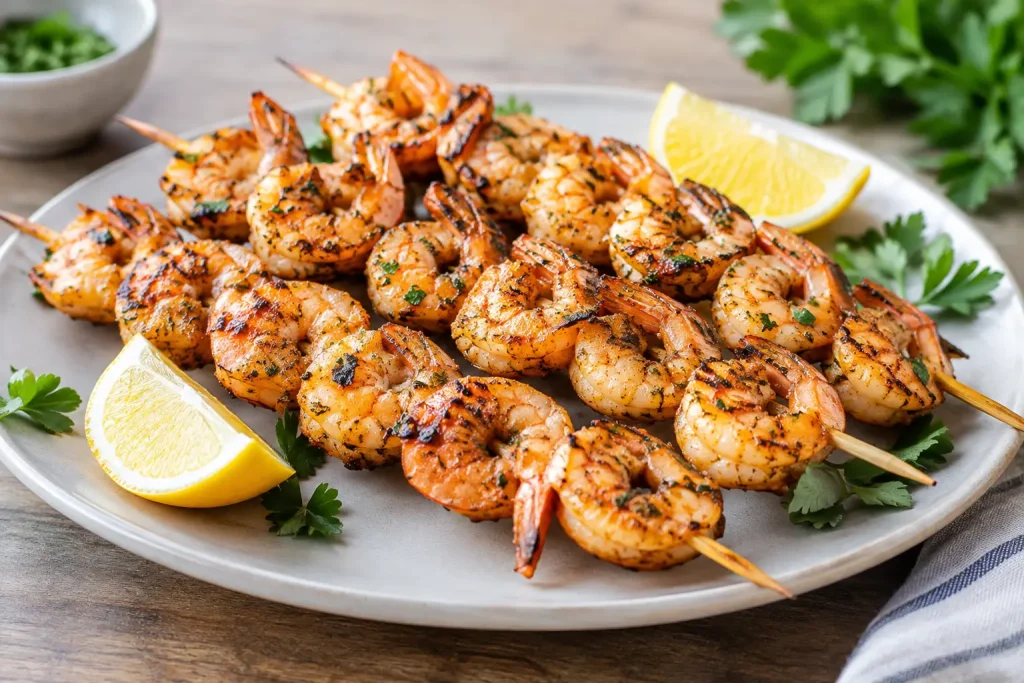
Shrimp can go from sweet and snappy to dry and rubbery in less time than it takes to set the table. That is why a reliable shrimp grilling method is less about complicated technique and more about heat, timing, and seasoning that sticks. Get those three things right, and your backyard grill turns out smoky, juicy shrimp with a restaurant-worthy finish.
The best part? Shrimp are fast enough for a weeknight and flavorful enough for a cookout. Whether you pile them into tacos, serve them alongside grilled vegetables, or make them the star of the plate, a little attention before they hit the grates pays off in every bite.
Start With the Right Shrimp
For grilling, large or jumbo shrimp are the easiest choice. Look for shrimp labeled 16/20, 21/25, or 26/30, meaning there are roughly that many shrimp per pound. Their bigger size gives you a little more room for error over high heat, and they are less likely to slip through the grates.
Fresh shrimp are terrific when they are truly fresh, but frozen shrimp are often the more dependable option for home cooks. Most shrimp are frozen shortly after harvest, so a bag thawed overnight in the refrigerator can be a great choice. If you need dinner sooner, thaw shrimp in a bowl of cold water for 15 to 20 minutes. Do not use warm water, which can soften the exterior before the centers are properly thawed.
Peeled and deveined shrimp are convenient, especially for tacos, salads, and skewers. Shell-on shrimp bring a little more protection from the heat and can stay especially juicy, but they take more effort at the table. There is no wrong answer. Choose peeled shrimp when easy eating matters; choose shell-on when you want a more hands-on, seafood-boil-style experience.
Before seasoning, pat the shrimp very dry with paper towels. Moisture is the enemy of browning. Dry shrimp hold oil and spices better, release less steam on the grill, and develop those beautiful lightly charred edges everyone reaches for first.
The Shrimp Grilling Method That Works Every Time
Preheat a clean grill for direct medium-high heat, around 400 to 450 degrees Fahrenheit. This is hot enough to create color quickly without burning the seasonings before the shrimp cook through. Oil the grates lightly once the grill is hot, or brush the shrimp with oil instead. Either approach helps prevent sticking.
Toss the dry shrimp with a small amount of high-heat oil, such as avocado, grapeseed, or light olive oil. Then season generously but thoughtfully. Shrimp have a naturally sweet, briny flavor, so they shine with bright citrus, black pepper, garlic, paprika, chile, herbs, and a balanced salt blend. A clean, flavorful seasoning does more than add heat or salt. It gives the shrimp a crust that makes every bite taste finished.
For a bright, zesty direction, Peppery Lemon-style seasoning is a natural match with shrimp. If you are building tacos, rice bowls, or a grilled corn side, a Southwest-inspired blend brings warmth and savory depth without asking you to pull six different jars from the pantry. Heath’s Blends makes it easy to bring that bold flavor to the grill with organic herbs and spices, Himalayan pink salt, and no MSG, fillers, or artificial flavors.
Place shrimp directly on the grates or thread them onto skewers. Grill for about 2 to 3 minutes on the first side, then flip and cook another 1 to 2 minutes. The exact time depends on shrimp size and grill heat, so use appearance as your best guide. Properly grilled shrimp curl into a loose C shape, turn opaque through the center, and show pink-orange color outside.
A tight O shape usually means they have gone too far. They may still be edible, but they will not have the tender bite that makes grilled shrimp so hard to stop eating.
Skewers Make Grilling Easier
Skewers are the simplest way to keep shrimp from falling into the fire. Thread the shrimp through both the thick and thin ends so they sit flat rather than dangling. This small move helps them cook evenly and makes flipping much easier.
If using bamboo skewers, soak them in water for at least 20 minutes first. Metal skewers need no soaking, but they get very hot, so use tongs or an oven mitt when moving them. Leave a small bit of space between shrimp rather than packing them tightly. Air and heat need room to circulate.
For extra control, use two parallel skewers per row of shrimp. The shrimp will not spin around when you flip them, which means better grill marks and less chance of tearing the delicate meat.
No Skewers? Use a Grill Basket
A grill basket is a smart alternative for smaller shrimp or a larger batch. Spread the shrimp into one layer and shake or toss them once during cooking. You will get a little less dramatic char than direct-on-the-grate grilling, but you gain convenience and keep every shrimp safely out of the coals.
This is also a great route for shrimp tossed with sliced peppers, onions, zucchini, or cherry tomatoes. Grill the vegetables first if they need more time, then add the shrimp near the end. Shrimp should never be waiting around for slow-cooking vegetables.
Seasoning Without Burning the Shrimp
Sugar can make barbecue-style seasoning taste incredible, but it needs a little care over direct heat. A blend with noticeable sugar may brown fast, especially on a hot gas grill or over a lively charcoal fire. In that case, grill the shrimp with a savory spice blend first, then brush on a sweet glaze during the final 30 seconds to 1 minute.
Acid needs similar timing. Lemon juice, lime juice, and vinegar brighten grilled shrimp, but a long acidic marinade can change the texture and make the surface mushy. If you want a marinade, keep it short – 15 to 20 minutes is plenty. Better yet, season with oil and spices before grilling, then finish with a squeeze of fresh citrus after the shrimp come off the heat.
Butter is another excellent finishing move. Toss hot shrimp with a spoonful of melted butter, minced garlic, and lemon zest in a warm bowl. The shrimp will carry the flavor without risking flare-ups or scorched garlic on the grill.
Common Grilled Shrimp Mistakes
The most common mistake is simply cooking too long. Shrimp are not chicken breasts or thick pork chops. Their quick cook time is a strength, but it means you need to stay close to the grill. Have your serving platter, tongs, and finishing ingredients ready before the shrimp go on.
The second mistake is starting with wet shrimp or a cold grill. Both lead to steaming instead of searing. You want a hot, clean surface and shrimp dry enough to take on color.
Finally, do not crowd the grill. When shrimp overlap, some cook too quickly while others barely touch the heat. Work in batches if needed. A few extra minutes of grilling in rounds beats a crowded grill full of uneven, pale shrimp.
What to Serve With Grilled Shrimp
Grilled shrimp can lean casual or company-worthy without changing much. Slide them into warm tortillas with shredded cabbage, avocado, and lime. Spoon them over rice with grilled corn and black beans. Serve them with a crisp salad, roasted potatoes, or charred asparagus for a lighter dinner that still feels generous.
For a cookout platter, pair shrimp with grilled pineapple, peppers, and onions. The fruit’s sweetness plays beautifully with smoky spices, while the vegetables add color and substance. Keep a citrus wedge on the side, because a final squeeze wakes up every flavor on the plate.
Should shrimp be grilled with the lid open or closed?
For most large shrimp, grill with the lid open so you can watch the fast cook time. If you are cooking a very full grill or using shell-on jumbo shrimp, closing the lid briefly can help maintain heat. Just check often. Shrimp do not need much time in a closed grill.
Can you grill cooked shrimp?
You can, but treat them as a quick reheat. Cooked shrimp only need 30 to 60 seconds per side over moderate heat, just long enough to pick up a little smoke and warmth. Starting with raw shrimp gives you the best texture and the widest margin for building flavor.
The next time shrimp are on the dinner plan, keep the prep simple, heat the grill with purpose, and pull them while they are still tender. A good seasoning, a bright squeeze of citrus, and a platter passed around outside can make an ordinary meal feel like the best part of the week.