
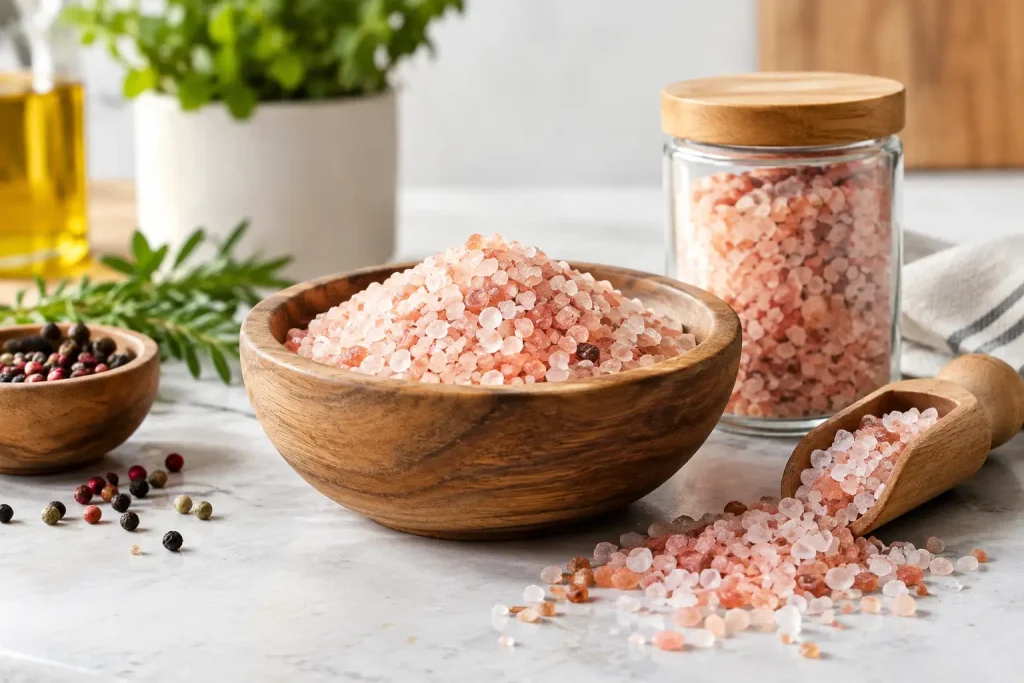
A good steak does not need a cabinet full of seasonings. It needs the right salt, a little savory depth, and enough personality to make the crust worth talking about. This Himalayan salt blend review looks at what separates a memorable all-purpose blend from one that merely makes food salty, whether you are firing up burgers, roasting vegetables, or pulling together a quick chicken dinner.
Himalayan pink salt has a mild, clean salinity and a distinctive rosy color that looks right at home in a quality seasoning blend. Paired with fresh herbs, spices, garlic, pepper, citrus, or smoky notes, it can turn ordinary ingredients into food that tastes planned, not rushed. The real question is not whether pink salt is trendy. It is whether the blend around it earns a place by your stove and grill.
What a Himalayan Salt Blend Should Deliver
The best salt blends do more than add sodium. They create balance. Salt should bring forward the natural flavor of beef, chicken, seafood, potatoes, vegetables, eggs, and beans without flattening everything into one-note saltiness. Herbs and spices should show up clearly enough to smell when you open the jar, then stay in proportion once the food hits the heat.
That balance is why ingredient quality matters. A blend built with organic herbs and spices, Himalayan pink salt, and recognizable pantry ingredients has a different purpose than a bargain shaker padded with fillers, artificial flavoring, or vague flavor boosters. You should be able to season confidently, knowing what is going onto the plate.
Clean-label standards are especially helpful for everyday cooks. No MSG, artificial flavors, preservatives, or fillers means the flavor has to come from the actual seasonings. That does not make a blend automatically better for every palate, but it does make the ingredient list easier to understand and the finished flavor easier to control.
The pink salt question
Himalayan salt contains trace minerals, which contribute to its color and subtle flavor character. Still, it is salt, and it should be used with the same good judgment as any other sodium-containing seasoning. Those trace minerals are not a reason to over-season dinner.
For cooks watching sodium, a salt blend can still work beautifully. Start lighter than you think, taste after cooking when possible, and add a squeeze of lemon, a splash of vinegar, fresh herbs, or a crunchy garnish for extra lift. Great flavor comes from contrast, not from piling on more salt.
Himalayan Salt Blend Review: Flavor and Versatility
A strong Himalayan salt blend should work hard across more than one meal. That is the practical test. If it only tastes right on one cut of steak, it may be a fine specialty seasoning, but it is not necessarily the reach-for-it-first jar most home cooks want.
On beef, the blend should support the browned, savory character of the meat. Black pepper, garlic, onion, and warm spices are natural partners, especially for steaks, burgers, meatloaf, and roast beef. Apply it before cooking so the seasoning has time to cling to the surface, then let a proper sear do the rest.
On chicken and pork, balance matters even more. These proteins take on seasoning quickly, so an aggressive blend can cover their natural flavor. A measured sprinkle on chicken thighs, pork chops, wings, or tenderloin delivers a flavorful crust without turning dinner into a salt bomb. For a deeper result, season 30 minutes before cooking and refrigerate the meat uncovered if time allows.
Seafood calls for a lighter hand. White fish, shrimp, scallops, and salmon benefit from blends with pepper, herbs, garlic, and citrus-friendly notes, but the goal is enhancement, not camouflage. Season just before cooking, especially with delicate fish, and finish with lemon after it comes off the heat.
Vegetables might be the clearest test of versatility. A flavorful salt blend can wake up roasted broccoli, crispy potatoes, grilled zucchini, corn, mushrooms, cauliflower, and even a simple tomato salad. Toss vegetables with oil and seasoning before roasting, then taste at the end. High-heat cooking concentrates flavor, so a little can go a long way.
Where Some Blends Miss the Mark
Not every blend labeled with Himalayan salt is an automatic winner. Some rely too heavily on coarse crystals that do not distribute evenly. Others use a mild spice mix that disappears on the grill, while a few pile on garlic or pepper until every meal tastes exactly the same.
Texture is worth considering, too. A coarse blend is excellent as a finishing touch on grilled steak, baked potatoes, or sliced tomatoes. It may be less ideal for soup, scrambled eggs, popcorn, or a quick vinaigrette, where finer particles dissolve and disperse more evenly. If you cook a wide range of meals, choose a blend with a grind that fits your usual routine, or keep one coarse and one fine seasoning on hand.
There is also the matter of heat. A pepper-forward blend can be fantastic for barbecue and steak night, but it may not be the best choice for every family meal. If you are cooking for kids or guests with milder tastes, use the blend as the savory base and offer extra pepper, chile, or hot sauce at the table.
How to Get the Best Results at Home
Seasoning is simple, but timing makes a difference. For thick proteins such as steaks, pork chops, and bone-in chicken, season ahead so the salt can begin working on the surface. For thin fish fillets, shrimp, and tender vegetables, season close to cooking time to avoid drawing out too much moisture.
When grilling, use the blend before the food goes on the grate, then avoid constant flipping. Give the seasoning time to form a crust. For roasting, coat food evenly with a little oil first. Oil helps spices adhere and carries their aroma through the dish as it cooks.
A blend can also replace several separate shakers on a busy weeknight. Stir it into softened butter for corn or baked potatoes. Mix it into olive oil for roasted vegetables. Add a pinch to soups, chili, rice, scrambled eggs, or homemade burger patties. The key is to build in layers: a modest amount during cooking, then a final taste before serving.
Heath’s Blends approaches this kind of everyday cooking with a simple idea: quality ingredients should make it easier to put bold, satisfying food on the table. A seasoning does not have to be complicated to feel special. It just has to taste fresh, perform consistently, and suit the foods you actually cook.
Who Will Appreciate a Himalayan Salt Blend Most?
This style of blend is a natural fit for cooks who want more flavor without measuring five different spices every night. Grill fans can use it as a dependable foundation for burgers, ribs, chicken, and vegetables. Home cooks who lean toward sheet-pan dinners will appreciate how quickly it seasons protein and produce in one step.
It is also useful for people who care about ingredient transparency. If you are trying to avoid fillers, preservatives, artificial flavors, nuts, or MSG, a clearly labeled blend provides more confidence than an unnamed all-purpose seasoning. That said, always read the label, especially when cooking for allergies, dietary preferences, or sodium limits.
The trade-off is personal preference. A carefully made blend cannot replace every seasoning in your kitchen. You may still want a smoky barbecue rub, a bright lemon-pepper blend, or a spicy Southwest option for specific cravings. Think of Himalayan salt seasoning as the dependable starting point, not the only flavor on the shelf.
A Himalayan salt blend is worth keeping around when it makes dinner easier and gives food a clean, craveable finish. Start with potatoes, chicken, or grilled vegetables, taste as you go, and let the meals your family asks for again tell you whether the jar has earned its permanent spot by the stove.