
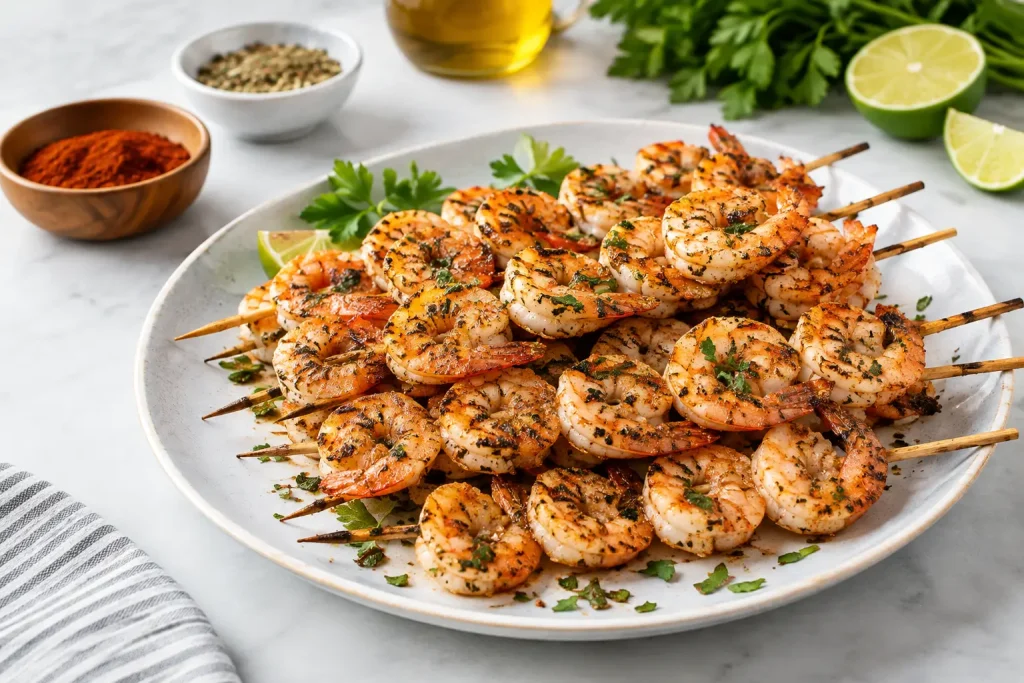
Shrimp can go from sweet, tender, and beautifully charred to dry and rubbery in what feels like one distracted conversation at the grill. That is why learning how to season shrimp skewers is about more than sprinkling on spices. The right blend should bring big flavor quickly, cling to the shrimp, and let that naturally delicate seafood taste shine through.
For backyard cookouts, speedy weeknight dinners, and appetizer platters that disappear before the burgers hit the table, shrimp skewers are hard to beat. They cook fast, pair with almost anything, and take on smoky, tangy, citrusy, or spicy flavors without much fuss. A little know-how turns them into a meal that tastes like it came off a restaurant grill.
Start With Clean, Dry Shrimp
Good seasoning starts before the spice jar opens. Use peeled and deveined shrimp, preferably large or jumbo shrimp. Larger shrimp are easier to skewer, less likely to overcook, and substantial enough to stand up to a bold rub.
Thaw frozen shrimp in the refrigerator overnight or place the sealed bag in cold water for a quicker option. Once thawed, pat the shrimp very dry with paper towels. This is a small step with a big payoff. Surface moisture dilutes seasoning and creates steam on the grill, making it harder to get those tasty charred edges.
Leave the tails on if you want a more polished presentation or an easy handle for eating. For tacos, rice bowls, or chopped salads, tail-off shrimp are usually more practical.
The Best Way to Season Shrimp Skewers
Shrimp need a light coating of oil before seasoning. Toss them with just enough avocado oil, olive oil, or another high-heat cooking oil to make the spices adhere. For about one pound of shrimp, one tablespoon of oil is plenty.
Then add your seasoning. A dependable starting point is 1 to 1 1/2 tablespoons of a balanced seasoning blend per pound of shrimp. Toss gently until every piece is evenly coated. You want color and coverage, not a thick paste that hides the shrimp.
The best seasoning has a few key elements working together: salt for bringing out natural sweetness, pepper or chile for gentle heat, savory herbs and spices for depth, and a bright note such as lemon, vinegar, or citrus zest. This balance matters because shrimp cook so quickly. There is not much time for flavor to develop on the grill.
A clean, thoughtfully made blend also makes dinner easier. Heath’s Blends Peppery Lemon is especially at home on shrimp, with citrus-forward brightness and peppery character that play well with smoke from the grill. If you prefer a warmer, Southwestern-style skewer, reach for a blend with chile, garlic, cumin, and paprika instead.
Do not season too far ahead
Most dry seasonings can sit on shrimp for 15 to 30 minutes before cooking. That gives herbs and spices time to settle into the oil without changing the shrimp’s texture.
Be more careful with acidic ingredients. Lemon juice, lime juice, vinegar, and bottled marinades can start to firm up shrimp if they sit too long. A quick 10 to 15-minute rest is enough for an acidic marinade. Save extra citrus for the finish, when it adds freshness instead of turning the outside of the shrimp a little mealy.
Choose a Flavor Direction Before You Grill
Shrimp do not need a complicated spice cabinet. Pick a direction, season with confidence, and build the rest of the meal around it.
For bright lemon-pepper shrimp, use lemon pepper seasoning, a little garlic, and a finishing squeeze of fresh lemon. Serve it with grilled asparagus, buttery rice, or a crisp green salad.
For smoky barbecue shrimp, choose a blend with paprika, garlic, black pepper, and a touch of sweetness. The sugar should be modest, especially over a hot grill, because it can burn before the shrimp finish cooking. Pair these skewers with corn, grilled peppers, or creamy slaw.
For Southwest shrimp skewers, use chile powder, cumin, garlic, onion, and a hit of lime at the end. They are excellent tucked into warm tortillas with avocado, cabbage, and a cool sauce.
For a garlic-herb approach, season with garlic, parsley, oregano, black pepper, and a little lemon zest. This is a great choice when you want the shrimp to complement pasta, roasted vegetables, or a simple crusty-bread dinner.
Skewer Smart for Even Cooking
Thread shrimp through both the thick and thin ends so each one forms a secure C shape. This keeps them from spinning around when you turn the skewers. Leave a little breathing room between pieces instead of packing them tightly together. Heat needs space to circulate for better browning.
Metal skewers are convenient and reusable, but wooden skewers work well too. Soak wooden skewers in water for at least 20 to 30 minutes before grilling so the exposed ends are less likely to scorch.
You can add vegetables, but choose carefully. Shrimp cook far faster than raw onion chunks, potatoes, or thick slices of zucchini. If you want mixed skewers, use quick-cooking items such as thin bell pepper pieces, cherry tomatoes, or partially cooked vegetables. Another easy option is to grill the vegetables separately and serve them alongside the shrimp.
Grill Shrimp Skewers Hot and Fast
Preheat the grill to medium-high heat and clean the grates well. Brush or oil the grates lightly to help prevent sticking. Place the skewers over direct heat and cook for about 2 to 3 minutes per side.
Look for shrimp that have turned opaque and pink with a light char around the edges. They should curl into a loose C shape. A tightly curled O often means they have cooked too long. The exact timing depends on shrimp size and grill heat, so watch the shrimp instead of relying only on the clock.
If your seasoning blend contains a fair amount of sugar, lower the heat slightly or move the skewers to a cooler area of the grill if they begin to darken too quickly. You want caramelized flavor, not bitter blackened spices.
No grill? A hot cast-iron skillet, grill pan, broiler, or air fryer can all deliver delicious shrimp skewers. The same rule applies: cook quickly and do not walk away.
Finish With a Fresh Layer of Flavor
The final touch is what makes grilled shrimp taste especially lively. Right after the skewers come off the heat, add a squeeze of lemon or lime, a sprinkle of fresh herbs, or a final light dusting of seasoning. This last layer gives you aroma and brightness that would fade if it went on before cooking.
For richer shrimp, brush the cooked skewers with melted butter mixed with garlic and a pinch of seasoning. For heat lovers, add crushed red pepper or a spicy chile sauce after grilling. If you are serving guests, put lemon wedges and an extra shaker of seasoning on the table. Some people want a gentle citrus finish; others want their shrimp to bring the sizzle.
Common Shrimp Skewer Mistakes to Avoid
The biggest mistake is overcooking. Shrimp are not like chicken breasts or thick steaks. They need attention, and they reward it with a sweet, juicy bite.
Another mistake is using too much salt-heavy seasoning. Shrimp naturally taste briny, so a blend should enhance that character rather than bury it. Start with a measured amount, then finish with more only after tasting.
Finally, do not skip the dry-off step. Wet shrimp and a wet grill are a recipe for pale, steamed seafood. Dry shrimp, a little oil, hot grates, and a balanced seasoning blend are the simple formula behind skewers worth making again.
Next time the grill is hot, let shrimp be the fast, flavor-packed star of the meal. Season with purpose, cook with a close eye, and finish bright – it is amazing what a little spice and a few minutes of heat can do.