
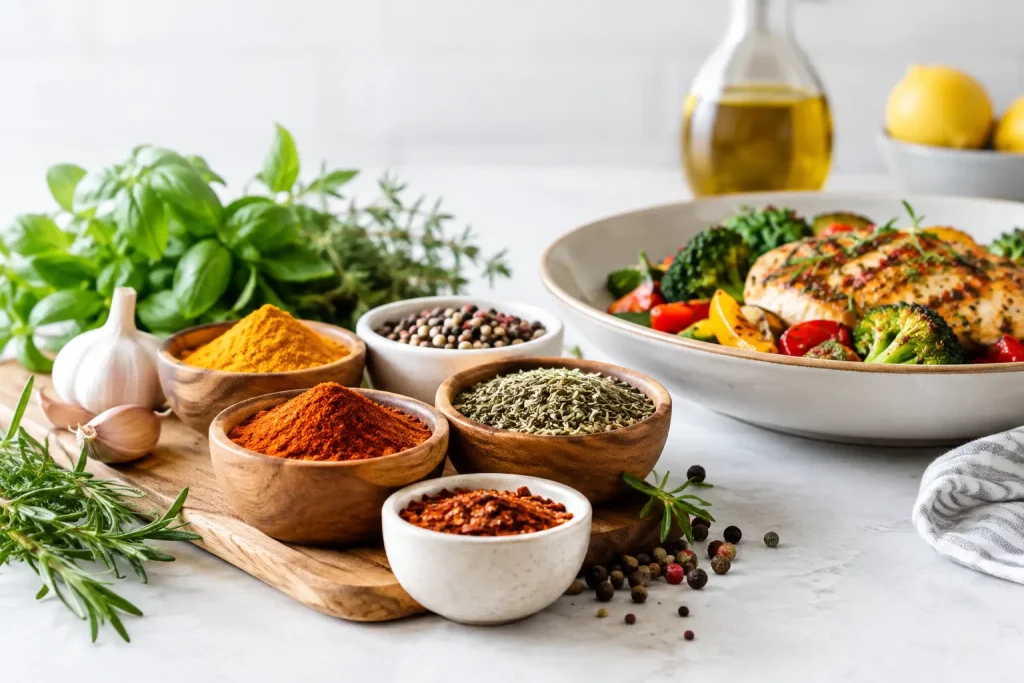
A juicy grilled chicken breast, a pot of chili, or a tray of roasted vegetables should taste exciting before the salt shaker ever hits the table. So, can spices reduce sodium? They can absolutely help you use less sodium while keeping food bold, savory, and worth coming back for – as long as you use them with a little strategy.
The key is not pretending salt does not matter. Salt has a real job in cooking: it seasons food from the inside, softens bitterness, and helps flavors pop. But when your usual cooking routine leans heavily on salty sauces, packaged ingredients, and a generous shake at the end, spices and herbs can take on more of the flavor work. That means every bite can taste more layered, aromatic, smoky, tangy, or bright without depending on sodium alone.
Can Spices Reduce Sodium in Everyday Cooking?
Spices do not remove sodium from food, and they do not replace salt molecule for molecule. What they do is make a lower-sodium meal taste more complete. Black pepper adds heat and bite. Garlic, onion, cumin, paprika, rosemary, oregano, and chile bring aroma, depth, and character. When your food has those dimensions, it is less likely to taste flat when you use less salt.
That distinction matters. A seasoning blend containing salt still contributes sodium, even if it is made with high-quality ingredients. Himalayan pink salt is still salt, and anyone following a medically prescribed sodium limit should read labels, measure portions, and follow guidance from their healthcare professional. The goal is not to label one kind of salt as a free pass. It is to build great flavor intentionally so you can decide how much salt belongs in your meal.
For many home cooks, the biggest win comes from replacing the habit of adding more salt with the habit of adding more flavor. A few shakes of a balanced spice blend can do far more for a pork chop or a bowl of beans than another heavy pour of soy sauce.
Build Flavor in More Than One Direction
Saltiness is only one flavor signal. Great cooking usually brings several signals together: savory depth, gentle heat, brightness, sweetness from browned vegetables, and fresh herbal aroma. When those pieces are present, your palate feels satisfied.
Think about grilled shrimp. If it is seasoned only with salt, it may taste fine but one-dimensional. Add lemon pepper, garlic, smoked paprika, a pinch of cayenne, and fresh lemon juice after grilling, and the same shrimp tastes lively and full. You may still use salt, but you probably will not need as much.
This is where well-built blends earn their spot by the stove and grill. A blend with real herbs and spices gives you repeatable balance without asking you to measure six jars on a busy Tuesday night. Heath’s Blends are made for that kind of cooking: clean, flavorful seasoning that works across proteins, vegetables, soups, and sides without artificial flavors, fillers, or MSG.
Use aroma to make food taste bigger
Aroma drives a surprising amount of what we experience as flavor. Toasted cumin on taco meat, cracked black pepper on steak, or rosemary on roasted potatoes creates an aroma that reaches you before the first bite. That makes a dish feel more seasoned even when the sodium level is modest.
For dried spices, heat helps wake them up. Add them to a little oil, sautéed onion, or the surface of meat before cooking. You do not need to burn them – just give them 30 to 60 seconds of gentle heat until they smell fragrant. That small step can make a lower-sodium chili, soup, or skillet meal taste far more developed.
Add acid at the end
Lemon juice, lime juice, vinegar, and even a small spoonful of unsalted tomato paste can sharpen a dish in a way salt cannot. Acid wakes up heavy foods and balances richness, especially with grilled meats, beans, roasted vegetables, and creamy sauces.
Try this before adding another pinch of salt: finish the dish with a squeeze of lemon or a splash of vinegar, stir, then taste again. You may find the flavor you thought was missing was brightness, not sodium.
Let browning do some of the work
A deep sear on a burger, caramelized edges on Brussels sprouts, or golden roasted chicken skin creates savory flavor through browning. Steaming everything until pale and soft often leaves cooks reaching for extra salt. Roasting, grilling, and searing create the kind of big flavor that makes seasoning feel more satisfying.
This does not mean every meal needs a blazing-hot skillet. Soups and braises benefit, too. Brown mushrooms, onions, or tomato paste before adding liquid, and you create a stronger savory foundation from the start.
Smart Ways to Cut Back Without Making Food Bland
A sudden jump from heavily salted food to completely unsalted food can be a rough adjustment. A better approach is gradual. Start by using a little less salt in recipes you make often, then lean into spices, acids, and cooking techniques that make the food feel generous.
For example, if you make taco bowls every week, season the meat or beans generously with chile, cumin, garlic, onion, oregano, and pepper. Add charred corn, sautéed peppers, cilantro, lime, and avocado. The bowl has plenty going on, so you can be more thoughtful about salty toppings such as cheese, chips, jarred salsa, and bottled sauces.
With barbecue, watch the layers. A dry rub, injection, sauce, and finishing sprinkle can stack sodium quickly. Choose one star flavor direction – tangy, smoky, peppery, or Southwest-inspired – and let it carry the cook. Use a spice-forward rub early so it has time to form a flavorful crust, then serve sauce on the side when possible.
For soups, start with no-salt-added or lower-sodium broth if you can. Build the base with onion, celery, carrots, garlic, bay leaf, black pepper, thyme, smoked paprika, and a touch of acidity near the end. Taste only after it has simmered. Long cooking changes the flavor, and salting too early can leave you with a pot that tastes saltier than you expected.
Choose Spice Blends With the Whole Label in Mind
Not every seasoning blend is automatically low in sodium. Some are mostly salt with a little garlic and pepper mixed in. Others may contain sugar, anti-caking agents, artificial flavors, or ingredients that do not add much culinary value. A quick look at the ingredient list and Nutrition Facts panel tells you what role a blend will play in your kitchen.
A salt-free blend can be useful if you need very tight control over sodium. A lightly salted blend can also fit a balanced approach, especially if it replaces salty marinades, seasoning packets, or multiple processed condiments. It depends on your needs, how much you use, and what else is on the plate.
Look for blends where herbs and spices are not an afterthought. Pepper, garlic, chile, paprika, citrus, onion, and herbs should give you a clear flavor direction. That is what makes it easier to season chicken, salmon, vegetables, eggs, potatoes, or popcorn without treating salt as the only tool available.
A Simple Taste-Test Method
The next time you cook a familiar meal, set aside two small portions before the final seasoning. Finish one exactly as you normally would. On the second, use a little less salt and add a complementary spice blend, fresh citrus, vinegar, or herbs.
Taste them side by side. Ask yourself whether the lower-sodium version is truly lacking salt or whether it needs a different note: more peppery heat, a smoky edge, garlic, tang, or a fresh finish. This is how you train your palate and find the flavor combinations your household genuinely loves.
Reducing sodium does not have to mean eating joyless food. Keep your grill hot, your spice cabinet stocked, and your tasting spoon nearby. When you give herbs, spices, browning, and brightness a real chance to shine, less salt can still lead to a plate that disappears fast.