
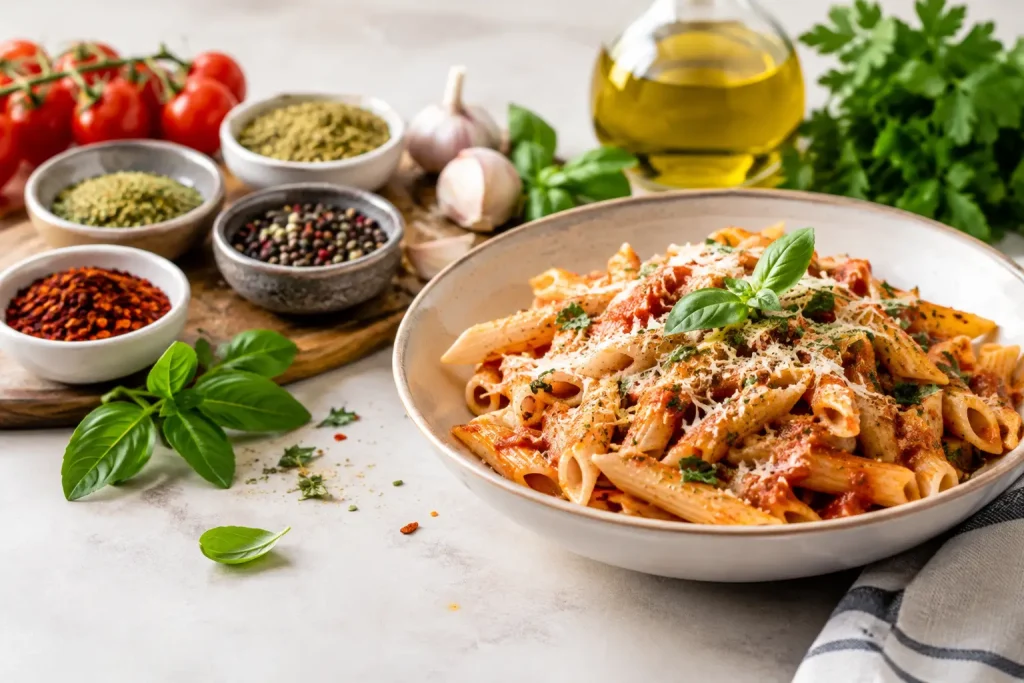
A bowl of pasta can be comforting, quick, and filling – but it should never taste like plain noodles wearing a coat of sauce. The best pasta seasoning ideas build flavor in layers: in the cooking water, the sauce, the protein or vegetables, and the final sprinkle at the table. That is how a simple Tuesday-night dinner starts tasting like something you would happily serve company.
You do not need a cabinet full of single spices to get there. A well-built seasoning blend gives you herbs, savory depth, peppery warmth, and salt in one dependable shake. The key is matching the blend to the sauce and knowing when to add it.
Start With the Pasta Water
Seasoned pasta water is the first opportunity to make every bite taste better. Salt the water once it reaches a rolling boil, before the pasta goes in. The water should taste pleasantly seasoned, not aggressively salty. This is especially helpful for simple dishes such as buttered noodles, olive oil pasta, and light lemon sauces, where there is nowhere for blandness to hide.
Save a cup of the starchy cooking water before draining. A splash helps loosen thick sauces and gives them a glossy finish that clings to the pasta. If you are using a salt-forward blend later, be a little more restrained with the pasta water. Great flavor is about balance, not piling on more seasoning at every step.
Pasta Seasoning Ideas by Sauce Style
1. Garlic herb for olive oil pasta
Warm olive oil with sliced garlic, then add dried Italian-style herbs, black pepper, and a pinch of red pepper flakes. Toss with spaghetti, linguine, or angel hair and finish with grated Parmesan and a squeeze of lemon. This is a perfect place for a clean all-purpose herb and garlic blend, especially when dinner needs to happen fast.
Add seasoning to the warm oil rather than directly onto dry pasta. The oil carries those flavors through the whole dish.
2. Peppery lemon for shrimp pasta
Shrimp and lemon are a natural match, but they need a little savory backbone. Season the shrimp with a lemon-pepper blend before it hits the skillet, then build a quick sauce with butter, garlic, lemon juice, and pasta water. Toss in fettuccine or linguine and finish with parsley.
Peppery Lemon from Heath’s Blends fits this job beautifully, bringing bright citrus character and cracked-pepper energy without asking you to measure several jars. It also works with scallops, chicken, asparagus, and zucchini in the same pan.
3. Smoky seasoning for creamy pasta
Cream sauces can handle bold flavors. For a smoky chicken penne or a creamy sausage rigatoni, season the protein with smoked paprika, garlic, onion, black pepper, and a touch of chile before browning it. The browned bits on the bottom of the pan become part of the sauce, adding depth without making the dish heavy.
A smoky blend is best used with a light hand at first. Cream softens spice, but too much smoke can crowd out the cheese and make the whole dish taste one-note.
4. Southwest seasoning for taco pasta
Taco pasta is weeknight comfort food with plenty of room for personality. Brown ground beef, turkey, or black beans with a Southwest-style blend, then add tomatoes, corn, a little broth, and short pasta such as shells or rotini. Cheese can make it richer, while cilantro, lime, and avocado keep the finished bowl fresh.
Look for a blend with chile, cumin, garlic, onion, and herbs. It saves time and delivers a more even flavor than tossing in random shakes of spices after the pan is already cooking.
5. Tangy barbecue seasoning for baked pasta
Barbecue seasoning is not only for the grill. A tangy, slightly sweet BBQ blend gives baked pasta a serious flavor boost, particularly with pulled chicken, smoked sausage, or roasted vegetables. Stir it into a tomato-based sauce, then top the casserole with cheese and bake until bubbly.
This is a smart move for leftovers. A little barbecue seasoning can wake up yesterday’s chicken and turn it into a brand-new dinner.
6. Garlic, black pepper, and cheese for cacio e pepe-inspired pasta
Classic cacio e pepe is simple by design, so quality and technique matter. Toast freshly ground black pepper in a dry skillet or a little butter, add pasta water, then toss with hot pasta and finely grated Pecorino or Parmesan off the heat. Garlic is not traditional, but a small amount can make the dish more approachable for everyday cooking.
Do not add the cheese over high heat. It can clump instead of turning silky. Let the pasta water do the work.
7. Savory seasoning for mushroom pasta
Mushrooms love salt, pepper, garlic, thyme, and a little onion. Sear them in a wide skillet until deeply browned before adding any liquid. Then toss with pappardelle, egg noodles, or rigatoni, plus a splash of cream, broth, or white wine if you use it.
A savory all-purpose blend makes this meal feel fuller without relying on a huge amount of cream. It is also an excellent way to make a plant-forward pasta satisfying enough for everyone at the table.
8. Red pepper and oregano for red sauce
Jarred marinara is a helpful shortcut, not a finished sauce. Warm it with olive oil, garlic, oregano, black pepper, and a pinch of crushed red pepper. If the sauce tastes sharp or overly acidic, a small pat of butter or a pinch of sugar can round it out.
Use this seasoned sauce for spaghetti and meatballs, baked ziti, or a quick skillet of gnocchi. If you are seasoning meatballs too, keep the sauce blend lighter so the flavors do not compete.
9. Steakhouse seasoning for beefy pasta
Think beyond meat sauce. Seared steak strips tossed with rigatoni, mushrooms, onions, and a creamy Parmesan sauce make a hearty dinner worth repeating. A steakhouse-style blend with garlic, pepper, and savory spices belongs on the beef before it reaches the pan.
Let the steak rest before slicing, then add it back at the end. Overcooking it in the sauce is the fastest way to lose that juicy, steakhouse feel.
10. Salt and vinegar seasoning for crispy pasta toppings
Here is one of the more unexpected pasta seasoning ideas: use a tangy salt-and-vinegar blend on crispy toppings. Season toasted breadcrumbs, roasted chickpeas, or air-fried potatoes, then scatter them over creamy macaroni, broccoli pasta, or a tuna noodle casserole.
The acidity gives rich dishes a welcome lift. It is a small change that makes a familiar comfort meal taste lively instead of flat.
11. Herb seasoning for vegetable pasta
Roasted vegetables deserve seasoning before and after cooking. Toss broccoli, bell peppers, cherry tomatoes, squash, or cauliflower with olive oil and an herb-forward blend, then roast until caramelized. Fold them into pasta with lemon, cheese, and a little cooking water.
For delicate vegetables such as spinach or peas, season near the end so the herbs stay bright. For sturdy vegetables, seasoning before roasting helps the flavor settle into every browned edge.
12. A finishing shake for cold pasta salad
Pasta salad often needs more seasoning than you think because cold food dulls flavor. Dress the pasta while it is still slightly warm so it absorbs some of the vinaigrette, then taste again after chilling. A final shake of lemon pepper, garlic herb, or a tangy blend right before serving brings the whole bowl back to life.
This works especially well with rotini, olives, cucumbers, feta, tomatoes, grilled chicken, and fresh herbs. Keep a little extra dressing on hand, too. Pasta continues to soak up moisture in the refrigerator.
When to Season Pasta for the Best Flavor
There are three smart moments to season: before cooking, during cooking, and at the finish. Season proteins and vegetables before they go in the pan. Add dried herbs and spice blends to oil, butter, or sauce while cooking so their flavors bloom. Then taste the completed dish and use a final pinch to brighten it.
The trade-off is salt. If your blend includes Himalayan pink salt or any salt at all, taste before adding extra. Cheese, cured meats, olives, broth, and jarred sauce can all bring plenty of sodium to the party. A no-MSG, no-filler blend with recognizable herbs and spices helps you control the flavor without relying on artificial extras.
The next time pasta night feels predictable, do not reach for more cheese first. Reach for a seasoning that gives the sauce a point of view, then let the noodles carry that flavor all the way to the last forkful.