
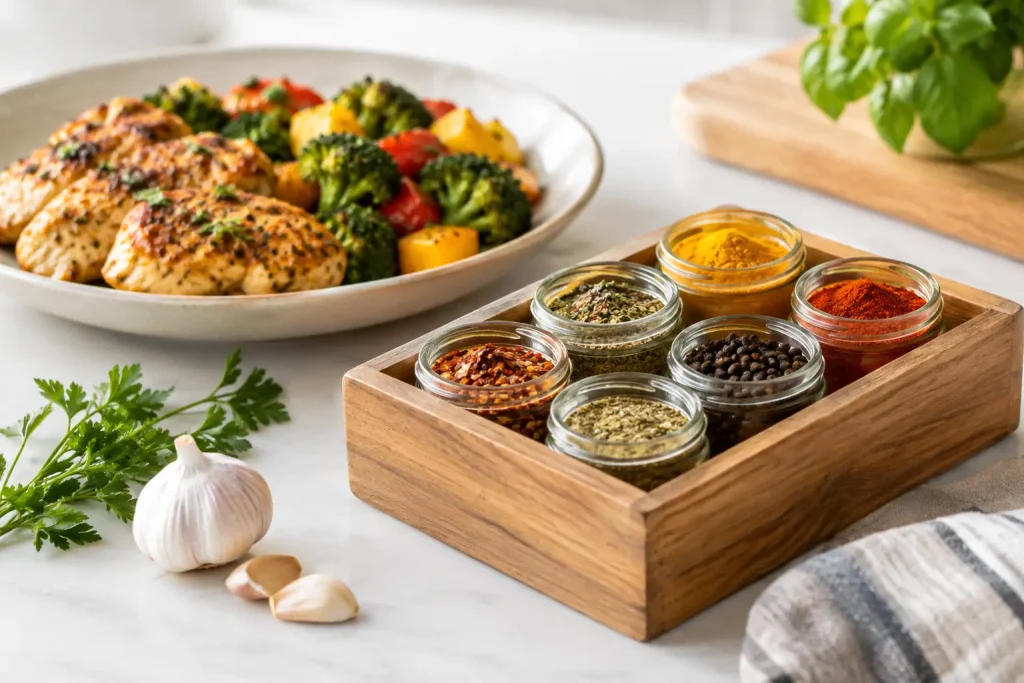
A good spice sampler solves a familiar dinner problem: the chicken is thawed, the vegetables are on the counter, and plain salt and pepper feel a little too plain. Instead of buying a full-size jar of every flavor that catches your eye, a sampler gives you a handful of reliable ways to make dinner taste intentional.
That matters whether you are firing up the grill for ribeyes, roasting a sheet pan of vegetables, or stretching leftovers into a hearty soup. The right blends do more than add heat or salt. They bring balance – savory depth, bright citrus, smoky warmth, tang, herbs, and just enough personality to make a simple meal worth sitting down for.
What Makes a Spice Sampler Worth Buying?
A spice sampler is not just a group of small jars. It is a chance to build confidence in the kitchen without stocking a cabinet full of one-note seasonings. For home cooks who like variety but do not want to measure six separate spices every night, a thoughtfully selected sampler is one of the easiest ways to change the character of a meal.
The best samplers offer distinct flavor lanes. You want a dependable all-purpose blend for everyday cooking, a bolder option for grilling and barbecue, something bright for fish or vegetables, and a blend with enough savory backbone for potatoes, burgers, eggs, and roasted chicken. When every jar tastes roughly the same, the sampler may be convenient, but it will not expand what you can cook.
Ingredient quality matters just as much. Fresh herbs and spices have more aroma, and clean formulas let the ingredients do the work. Look for blends made without MSG, artificial flavors, fillers, preservatives, or mystery ingredients. Himalayan pink salt can bring a clean, mineral-rich finish, while organic herbs and spices give everyday meals the kind of flavor you can feel good about serving.
There is a trade-off, of course. A sampler with broad appeal may include a blend you use less often than the others. That is not a bad thing if it inspires one great seafood dinner, a batch of wings, or a new side dish that earns a permanent place in your rotation. Variety is the point.
Choosing a Spice Sampler for How You Actually Cook
Before choosing flavors, think about what hits your table most often. A household that grills burgers and steaks every weekend needs different options than one that leans on salmon, roasted vegetables, tacos, and soups. The goal is not to own every seasoning under the sun. It is to have the right answer waiting when dinner needs a lift.
If steak, burgers, chops, and potatoes are regulars at your house, start with savory blends built for hearty food. Garlic, pepper, onion, herbs, and a well-balanced salt base give meat a bold crust without covering up the flavor of the protein. A blend like Steak & Taters earns its keep far beyond the grill – try it on breakfast potatoes, mushrooms, baked potatoes, or a burger patty before it hits the skillet.
For barbecue fans, look for seasoning that brings smoky, tangy, or gently sweet notes rather than relying on sugar alone. Tom’s Tangy BBQ and Smokin’ Maria-style profiles can wake up ribs, chicken thighs, pork tenderloin, and grilled corn. Apply a dry seasoning before cooking, then add sauce near the end if you want it. This helps the spices season the meat instead of disappearing beneath a heavy glaze.
Southwest-style blends are the busy cook’s secret weapon. They make easy work of taco night, chili, fajitas, grilled shrimp, black beans, corn, and rice bowls. Southwest Sizzler or Southwest Sidewinder flavors can turn a plain chicken breast into the start of a meal with real character. Add avocado, lime, warm tortillas, and a fresh salsa, and dinner does not need much more.
For seafood, vegetables, and lighter meals, a peppery lemon profile is hard to beat. Citrus and pepper make salmon, shrimp, asparagus, broccoli, zucchini, and chicken breasts taste bright rather than heavy. A little Salt & Vinegar-style seasoning can also add a sharp, craveable edge to roasted potatoes, popcorn, green beans, or crispy smashed chickpeas.
Finally, every kitchen benefits from a go-to all-purpose blend. S.P.O.G – salt, pepper, onion, and garlic – is the kind of straightforward seasoning that makes cooking feel easier. Use it when you do not need a specific flavor theme, just a savory foundation that works on almost anything.
How to Use Your Spice Sampler Without Overthinking It
The biggest mistake with a new sampler is treating the jars like they are too special to open. Seasonings are meant to be used. Start with familiar foods, then let each blend prove where it belongs in your kitchen.
For proteins, season before cooking so the spices have time to settle onto the surface. On a steak or pork chop, pat the meat dry, coat it with a little oil if needed, then season generously. For chicken, give the blend at least 20 to 30 minutes before roasting, grilling, or air frying. On larger cuts such as a whole chicken, pork shoulder, or racks of ribs, seasoning several hours ahead can deepen the flavor.
Vegetables need more seasoning than many cooks expect. Toss broccoli, cauliflower, carrots, Brussels sprouts, peppers, or potatoes with oil and your chosen blend before roasting. The high heat concentrates their natural sweetness, while the seasoning gives every browned edge a savory payoff. If the dish tastes flat after cooking, add a final pinch rather than reaching immediately for more salt.
Blends also shine in foods that are not headed to the grill. Stir an all-purpose seasoning into scrambled eggs, mix a Southwest blend into sour cream for a quick taco topping, or add Peppery Lemon to a simple vinaigrette. A savory blend can give homemade meatballs, turkey burgers, soups, and casseroles a more finished flavor without requiring a long ingredient list.
One easy approach is to choose a single blend for a whole meal. Use a tangy barbecue seasoning on chicken thighs, roasted sweet potatoes, and corn. Use a bright lemon-pepper blend on salmon, green beans, and rice. The flavors will feel connected, but the meal will not taste repetitive because each ingredient brings its own texture and natural character.
A Few Smart Habits for Bigger Flavor
Seasoning is simple, but a few small habits make a noticeable difference. First, taste as you cook. A blend may contain salt, pepper, acid, heat, or sweetness, so the amount you need depends on the food and how you are preparing it. Delicate fish needs a lighter hand than a tray of potatoes, while a large pot of soup often needs seasoning in stages.
Second, use heat to your advantage. Dry spices can scorch if they sit in a blazing-hot pan too long without food or fat. Add them to oil-coated vegetables, rub them onto meat, or stir them into a sauce or soup where they can bloom gently. On the grill, watch blends with herbs or sweet notes closely, especially over direct flame.
Third, store your seasonings away from heat, light, and steam. A cabinet near the stove may be convenient, but constant warmth can dull flavor over time. Keep jars tightly closed and reach for them often. Freshness is not only about the date on the label – it is also about how much aroma rises from the jar when you open it.
Make the Sampler Part of the Fun
A sampler is especially good for the cook who has fallen into a dinner rut. Tuesday chicken does not have to taste like Monday chicken. One night can lean smoky and barbecue-forward; the next can be bright with pepper and lemon; the next can head southwest with peppers, onions, and a warm tortilla.
At Heath’s Blends, that kind of flexibility is the whole idea: clean, flavor-forward seasonings that work across the foods real families make. You do not need complicated techniques or a chef’s pantry to cook something memorable. You need good ingredients, a little heat, and a blend that gives dinner a direction.
Tonight, pick one jar, season something simple, and let the aroma tell you what to make alongside it. A great meal often starts there.