
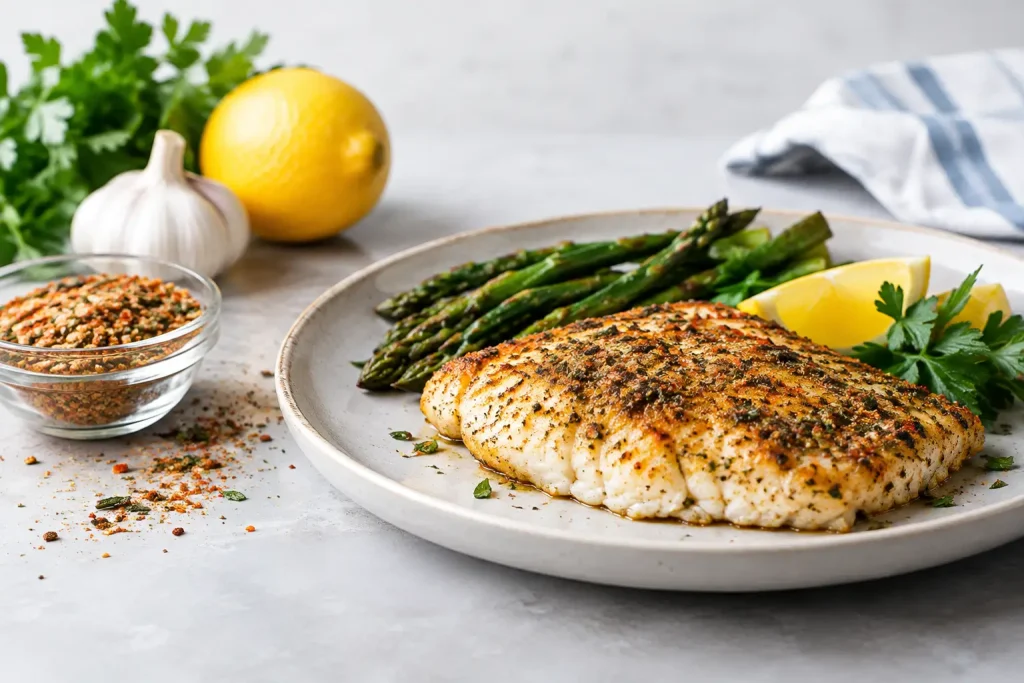
A great piece of fish needs less help than most people think. It needs enough seasoning to wake up its natural sweetness, enough salt to carry the flavor, and enough restraint to let that clean, fresh bite stay front and center. That is the standard behind this seafood seasoning review: not the loudest blend in the cabinet, but the one that makes shrimp, salmon, scallops, and flaky white fish taste more like themselves.
The best seafood seasoning should earn a regular spot beside the grill and stove. It has to work on a quick Tuesday shrimp skillet, but it should also bring something special to grilled snapper, buttery lobster tails, fish tacos, and a big seafood boil. A blend that only works in one dish may be tasty, but it is not doing enough for a busy home cook.
Seafood Seasoning Review: What Makes a Blend Worth Using?
Seafood is delicate, but it is not bland. Shrimp has sweetness. Salmon has richness. Cod and halibut have a mild, clean flavor that can take seasoning without fighting back. Oysters, crab, and scallops bring their own saline, almost buttery character. A worthy seasoning respects those differences instead of covering them with a wall of salt, sugar, or heat.
Balance starts with salt, but not all salt-forward blends are balanced. When the salt is too aggressive, it can pull moisture from tender seafood and make a beautiful fillet taste flat. A measured amount of Himalayan pink salt gives a savory foundation while leaving room for herbs, pepper, citrus, garlic, and chiles to do their work.
The next question is freshness. Dried herbs and ground spices lose their lift over time, which is why a dusty old shaker can turn a bright fish dinner into something forgettable. A quality blend should smell alive as soon as the lid comes off. You should notice peppery warmth, herbal notes, and citrus character before it ever hits the pan.
Clean ingredients matter here, too. Seafood is often chosen for a lighter meal, and there is no reason to bury it under artificial flavors, fillers, preservatives, or MSG if the herbs and spices are selected well. Organic, non-GMO ingredients and straightforward labels give home cooks a clearer picture of what they are putting on the plate.
The Flavors Seafood Actually Wants
Lemon and pepper are classic for a reason. Citrus cuts through the richness of salmon, brightens grilled shrimp, and keeps fried or pan-seared fish from feeling heavy. Black pepper adds a gentle bite that makes mild seafood more interesting. The trade-off is that a strong lemon-pepper blend can become bitter or overly sharp if it is packed on too heavily, especially under high heat.
Garlic and herbs bring a more savory direction. They are especially good with shrimp, crab, lobster, and white fish headed for the grill. Herb-forward blends can also carry seafood into a full meal: season the fish, then use the same blend on asparagus, roasted potatoes, corn, or zucchini. That kind of versatility is what turns one jar into a weeknight favorite.
For cooks who want more personality, Southwestern spices and smoky chiles can be excellent with fish tacos, blackened catfish, grilled shrimp skewers, and seafood bowls. The key is proportion. Heat should build flavor, not erase it. If a seasoning makes every kind of fish taste exactly the same, it is asking for too much attention.
A little tang can be useful as well. Vinegar-inspired seasoning works particularly well on fried fish, fish sandwiches, and crispy calamari, where acidity gives the crust a welcome lift. On a delicate scallop or a simply steamed crab leg, though, a tangy blend is usually better used with a light hand.
How the Right Blend Performs in Real Cooking
A seasoning should not be judged only by a sniff from the jar. It should prove itself in the heat of the kitchen. On grilled shrimp, a good blend adheres with a touch of oil or melted butter and forms a flavorful surface without scorching. On pan-seared fish, it should brown gently and leave enough room for the fish to develop a golden crust.
For salmon, peppery lemon profiles are a natural match. Coat the flesh lightly with olive oil, season it evenly, and let it sit for about 10 minutes while the grill or oven heats. Salmon can handle more assertive flavor than cod or sole, so this is a good place for a bolder crack of pepper, garlic, and herbs.
White fish calls for a gentler touch. With cod, tilapia, flounder, or halibut, start with less seasoning than you think you need. Season both sides, then cook in a hot skillet with oil or butter until the fish flakes easily. If you want more flavor, add a finishing squeeze of lemon or a spoonful of herb butter after cooking instead of piling on more dry seasoning before it hits the pan.
Scallops are a test of discipline. Their natural sweetness is the whole point. Pat them very dry, season just before cooking, and use a light coating rather than a crust of spice. A clean pepper-and-herb blend can support their caramelized edge beautifully. Heavy sugar, excess salt, or thick layers of seasoning can get in the way of the sear.
A Quick Matchup for Fish, Shellfish, and Seafood Favorites
The most useful seafood blend is not necessarily a single flavor profile. It is often a small, dependable rotation based on what is for dinner.
For bright, simple seafood, reach for a lemony pepper blend. Peppery Lemon from Heath’s Blends is a natural fit for grilled fish, shrimp, salmon, and vegetables served alongside them. Its job is to add zip, not turn dinner into a complicated project.
For crab cakes, lobster, garlic-butter shrimp, or a seafood pasta, choose a savory herb-and-garlic direction. These dishes benefit from rounded flavor and a little warmth, especially when butter or olive oil is part of the picture.
For fish tacos, grilled mahi-mahi, blackened-style catfish, or shrimp bowls, a Southwest-inspired blend brings welcome color and energy. Southwest Sizzler or Southwest Sidewinder can take seafood toward smoky, lively territory, but use a lighter hand on thin fillets than you would on chicken or steak.
For fried fish, salt-and-vinegar flavor makes sense because it echoes the bright, familiar flavor people love with crispy seafood. Season right after frying, when the surface is hot and ready to hold flavor. For grilled seafood, apply seasoning before cooking so the spices have time to bloom in the heat.
Common Seafood Seasoning Mistakes
The biggest mistake is seasoning too early with a salt-heavy blend. Salt draws out moisture, and moisture is the enemy of browning. For shrimp, scallops, and delicate fillets, season shortly before cooking. Larger cuts such as a side of salmon can handle a little more lead time, but they still do not need a long marinade unless the recipe is built for it.
The second mistake is treating every seafood dish like a steak. S.P.O.G-style flavor – salt, pepper, onion, and garlic – can be wonderful on firm fish and grilled shrimp, but it needs a lighter touch than it would on a thick ribeye. Seafood has less mass and less fat to cushion big seasoning levels.
Finally, do not forget the rest of the plate. A well-chosen blend can season the fish, the corn, the roasted vegetables, and even the potatoes, creating a meal that tastes intentional without requiring six different jars. That is where a quality spice blend saves time while still making dinner feel like something worth gathering around.
Fresh seafood, a hot pan, and a seasoning that knows when to step forward and when to stay quiet can turn an ordinary meal into the kind of dinner people remember. Start light, taste as you go, and let the flavor of the catch have its say.