
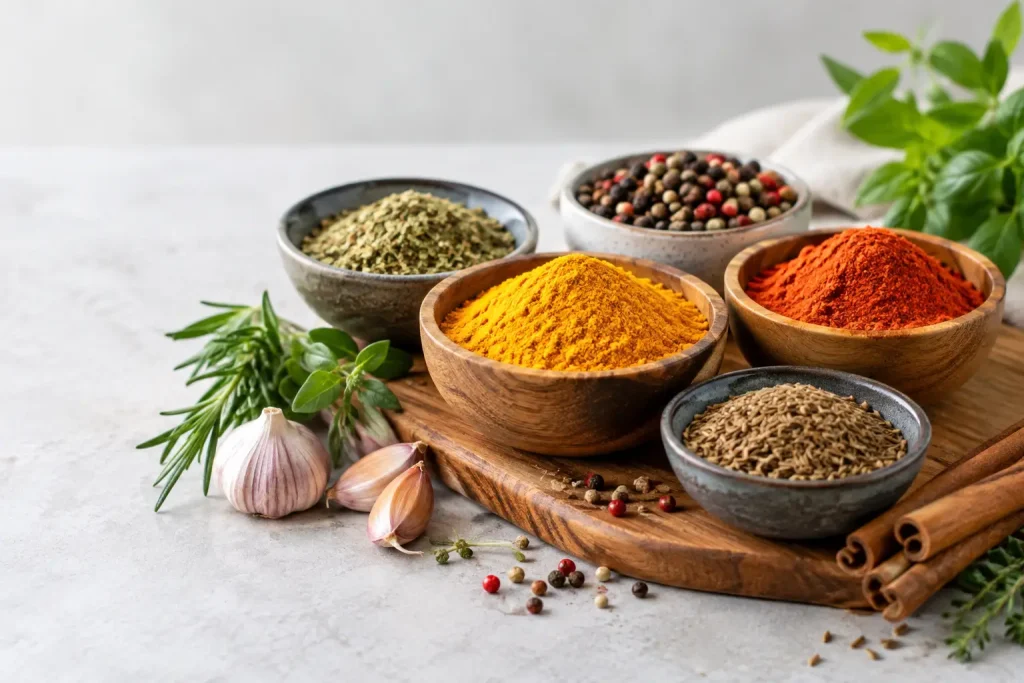
A plain chicken breast, a tray of roasted broccoli, and a pot of beans can start with the same basic ingredients and end up tasting completely different. The difference is often cooking spices – not a complicated technique, not an extra hour in the kitchen, just the right layer of flavor added at the right moment.
Great seasoning does more than make food salty. It gives grilled steak a savory crust, makes seafood taste brighter, turns roasted vegetables into the first thing gone from the dinner table, and brings a pot of soup into focus. Once you know what spices are doing in a dish, you can cook with more confidence and far less guesswork.
What Cooking Spices Really Do
Spices, herbs, salt, and peppers all play different roles. Some bring warmth, like cumin, paprika, and chili. Some bring earthy depth, like garlic, onion, and black pepper. Others add brightness, such as lemon pepper or vinegar-forward seasonings. Salt is what helps those flavors show up clearly on your palate.
That is why a well-made blend is more useful than a random shaker of one-note seasoning. It gives you balance from the start. You do not have to stop and measure six separate ingredients before a weeknight dinner, yet your food can still taste like you gave it real attention.
The best flavor is not always the hottest or strongest flavor. A good seasoning should work with the food rather than bury it. Delicate white fish needs a lighter hand than ribs. Sweet corn can handle a tangy, peppery shake. A thick-cut steak has the surface area and richness to stand up to bold garlic, pepper, and savory spices. What you use depends on what is on the plate.
Start With Fresh, Clean Flavor
A spice cabinet can quietly lose its power. Ground spices do not necessarily spoil in the way fresh produce does, but they do fade. If your paprika smells like dust or your garlic powder has no aroma when you open the jar, it will not bring much to dinner.
Freshness matters because aroma is flavor. The oils in herbs and spices carry the roasted, citrusy, smoky, peppery notes you expect. Store seasonings in sealed containers away from direct sunlight, steam, and the heat of the stove. Keeping them beside the range may be convenient, but constant heat shortens their useful life.
Ingredients matter, too. When you are seasoning food several nights a week, it feels good to know what is in the bottle. Blends made without MSG, artificial flavors, fillers, preservatives, or unnecessary additives let the herbs, spices, and salt do the work. Himalayan pink salt offers a clean salt base with naturally occurring trace minerals, while quality spices provide the flavor that makes each meal memorable.
Match Spices to the Food on Your Table
You do not need a different blend for every ingredient in the refrigerator. Still, matching the personality of the seasoning to the food makes a noticeable difference.
Beef, burgers, and barbecue
Beef loves big flavor. Black pepper, garlic, onion, smoky paprika, and a good salt base bring out its savory side without making every bite taste the same. For steaks, season generously before cooking so the surface has time to absorb the salt and form a flavorful crust. For burgers, mix seasoning in gently or apply it to the outside just before they hit the grill. Overworking ground beef can make the texture tough.
Barbecue gives you more room for sweet heat, smoke, and tang. Ribs, pulled pork, and chicken thighs can take a bolder blend because they cook longer and have enough richness to carry it. A tangy BBQ-style seasoning is especially good when you want a punch of flavor before sauce ever reaches the meat.
Chicken, pork, and everyday roasting
Chicken is a blank canvas, which is good news when dinner needs to be easy. A savory blend with garlic, herbs, pepper, and salt works on breasts, thighs, wings, and whole roasted birds. Season chicken at least 20 to 30 minutes ahead when possible. For larger cuts, a few hours in the refrigerator will give you even better flavor.
Pork works beautifully with warm spices, pepper, garlic, and a little sweetness or tang. Use seasoning on chops before searing, on tenderloin before roasting, or on a pork shoulder before a long cook. The goal is not to coat the meat in a thick layer. You want enough seasoning to create a flavorful exterior while letting the pork still taste like pork.
Seafood that tastes bright, not heavy
Fish and seafood need seasoning that respects their natural sweetness. Peppery lemon, garlic, herbs, and a measured amount of salt are dependable choices for shrimp, salmon, cod, scallops, and crab cakes. Season seafood shortly before cooking rather than hours ahead, especially when a blend includes salt. Too much time can change the texture of delicate fish.
For grilled shrimp or salmon, add a little oil first so the spices adhere evenly. For fish tacos, use a southwest-style blend before cooking, then finish with fresh lime after. The dry seasoning brings warmth and depth; the citrus at the end keeps the finished dish lively.
Vegetables, potatoes, and plant-based meals
Vegetables do not need to be an afterthought. Roasting concentrates their natural sweetness, and spices give them contrast. Broccoli, cauliflower, carrots, Brussels sprouts, and squash all benefit from oil, salt, pepper, garlic, and a bold blend before they go into a hot oven.
Potatoes are especially generous with seasoning. Toss wedges, cubes, or whole small potatoes with oil and a savory, peppery blend, then roast until crisp at the edges. Beans, lentils, rice, and tofu also welcome layered flavor. Add dry seasonings early enough to bloom in warm oil or cooking liquid, then taste near the end before adding more salt.
When to Add Your Seasoning
Timing changes the result. Seasoning before cooking allows salt and spices to cling to the food and develop a crust during searing, grilling, or roasting. This is the move for meats, vegetables, potatoes, and tofu.
Seasoning during cooking is ideal for soups, chili, sauces, and braises. Spices have time to mingle with the broth and other ingredients. Start with a modest amount, simmer, then taste. It is easier to add another shake than to rescue a pot that has become overly salty or too spicy.
Finishing seasoning belongs at the table or right before serving. This works well for popcorn, fries, grilled corn, sliced tomatoes, eggs, and roasted vegetables. A final pinch brings back aroma and makes food taste freshly made. If a dish tastes flat, do not automatically add more salt. It may need pepper, acid from lemon or vinegar, a touch of heat, or a fresh herb to wake it up.
Build Confidence With a Simple Method
When you are trying a new blend, begin with the food amount, not just the shaker. For one pound of protein or a full sheet pan of vegetables, start with enough seasoning to lightly cover the surface. Toss or rub it in so every bite has a fair share. Cook a small piece first when you can, then adjust for the rest.
Pay attention to ingredients that already bring salt or sweetness. Store-bought broth, cheese, bacon, barbecue sauce, and marinades can all affect the final balance. A salt-forward blend may need a lighter hand in a dish with soy sauce, while unsalted vegetables and plain grilled chicken can handle more seasoning.
This is also where a dependable all-purpose blend earns its place. Keep one nearby for eggs, burgers, roasted vegetables, and soups, then reach for more distinctive profiles when the meal calls for them. A southwest blend can bring lively warmth to tacos and chili, while a salt-and-vinegar blend can give potatoes, corn, and roasted chickpeas a craveable tang. At Heath’s Blends, that kind of versatility is the point: real flavor for whatever you are cooking, not rules that keep seasoning trapped in one category.
Let Your Taste Lead
Cooking spices are not a test with one right answer. Maybe your family wants more pepper and less heat. Maybe your favorite grilled chicken needs a bright lemony finish, while your neighbor swears by smoky barbecue flavor. Both can be great meals.
Start with quality ingredients, season with intention, and taste as you go. Soon, opening the spice cabinet will feel less like a decision and more like the moment dinner starts getting good.