
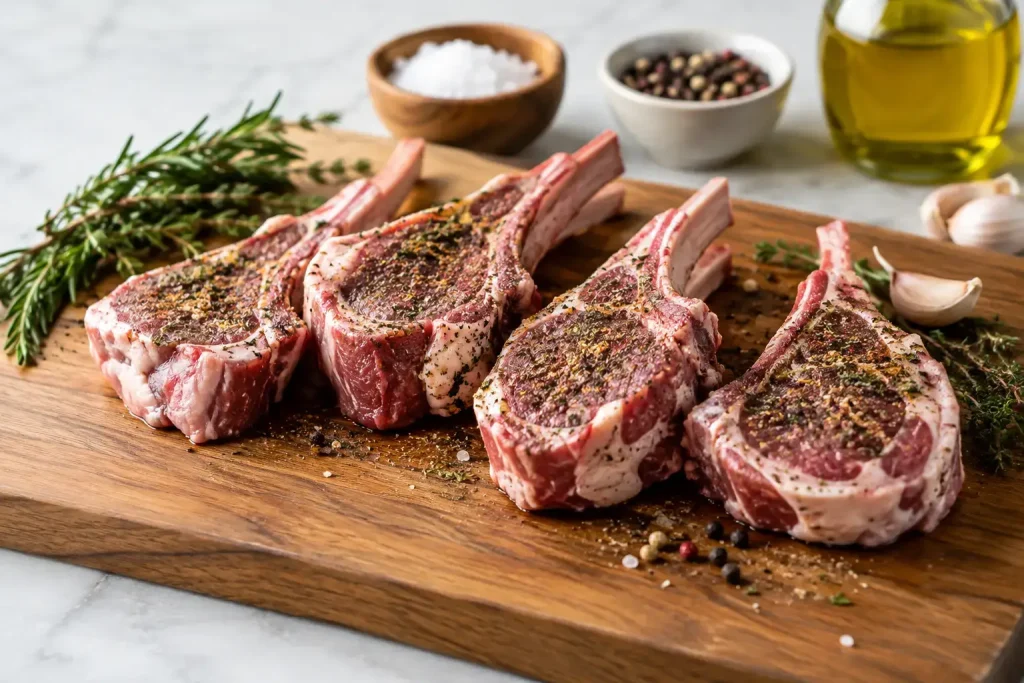
Lamb chops deserve more than a quick shake of salt at the last second. A good guide to seasoning lamb chops starts with what makes this cut special: its rich, slightly grassy flavor and buttery fat need seasonings that bring brightness, savory depth, and a little contrast without covering up the meat. Get that balance right, and a simple weeknight skillet dinner can taste like something you would order at a favorite steakhouse.
Whether you are grilling thick rib chops for friends or searing loin chops for a Tuesday dinner, the goal is the same. Build a flavorful crust, season the meat all the way through, and let lamb stay proudly lamb.
Why Lamb Chops Need a Different Approach
Lamb has more character than chicken and a different kind of richness than beef. It stands up beautifully to black pepper, garlic, rosemary, oregano, cumin, coriander, chile, and lemon. But because chops are often small and cook quickly, it is easy to go from well-seasoned to overly salty or heavily spiced.
The cut matters, too. Rib chops are tender, quick-cooking, and often have a generous cap of fat. Loin chops are meatier and look a bit like tiny T-bone steaks. Shoulder chops bring big flavor but benefit from gentler, longer cooking. This guide is aimed mostly at rib and loin chops, which are the usual choice for hot grills and cast-iron skillets.
Start with quality chops that have a rosy-red color and clean-looking fat. Let them sit at room temperature for about 20 to 30 minutes before cooking. Cold lamb dropped into a hot pan can cook unevenly, and no seasoning blend can fix an overcooked center.
Guide to Seasoning Lamb Chops: Build Flavor in Layers
The most dependable approach has three parts: salt for seasoning the meat, aromatics and spices for a savory crust, and acid or fresh herbs for lift. You do not need a crowded spice cabinet to make it happen.
First, pat the lamb dry with paper towels. Moisture on the surface creates steam, and steam gets in the way of the browned crust that makes a chop so satisfying. Rub the chops lightly with olive oil, then season both sides evenly. Do not forget the edges, especially on thick loin chops.
For every pound of lamb chops, use about 1 teaspoon of kosher salt if you are seasoning from scratch, plus plenty of freshly cracked black pepper. If your blend includes salt, use a lighter hand and check the label so the final result stays balanced. Himalayan pink salt brings a clean, mineral-rich flavor, but it still needs to be measured with the same respect as any other salt.
From there, choose a direction. Garlic, rosemary, and pepper are classic for a reason. Cumin, coriander, smoked paprika, and a touch of chile move the flavor toward the Southwest. Lemon pepper, oregano, and garlic feel bright and lively, especially when served with grilled vegetables or a crisp salad.
A clean, all-purpose blend with garlic, pepper, and herbs is a great shortcut when you want dependable flavor without measuring six separate jars. Heath’s Blends S.P.O.G is a natural fit for cooks who want savory garlic-and-pepper character with a clean ingredient approach. Keep the layer light enough that the lamb remains the main event.
A classic herb and garlic rub
For a pound of chops, combine kosher salt, black pepper, garlic powder, dried rosemary, and a pinch of onion powder. If you have fresh rosemary, chop it finely and add it after the lamb has been salted. Fresh herbs can burn over very high heat, so tuck larger sprigs into the pan with butter near the end instead of loading them onto the chops from the start.
This is the best choice when you are serving lamb with roasted potatoes, creamy beans, asparagus, or a simple pan sauce. It is familiar, hearty, and hard to overthink.
A smoky, warm-spice rub
For a bolder cookout feel, pair salt and black pepper with smoked paprika, cumin, coriander, garlic powder, and a small pinch of cayenne or chipotle. Coriander adds citrusy warmth, while cumin gives the lamb a deep, earthy note. Use chile as a supporting player, not a dare.
This blend loves the grill and works especially well with charred onions, flatbread, yogurt sauce, or corn and peppers. If you are cooking for guests with different heat preferences, leave the chile out of the rub and offer a spicy sauce at the table.
A bright lemon and herb seasoning
Lamb’s richness practically asks for acid. Season the chops with salt, black pepper, garlic, oregano, and lemon zest before cooking. Finish with a squeeze of lemon after the chops rest, rather than bathing them in juice ahead of time.
Lemon juice is delicious, but a long acidic marinade can change the surface texture of small, tender chops. Zest gives you sunny citrus flavor without that trade-off. Add fresh mint, parsley, or dill after cooking for a cool, fresh finish.
When to Season Lamb Chops
Timing changes the result. If you have only 15 to 30 minutes, salt and season the chops right before they hit the heat. That is enough time for the spices to cling to the surface and for the oil to help form an even crust.
If you have more time, salt the chops one to four hours ahead and refrigerate them uncovered on a plate or rack. This dry-brining window seasons the meat more deeply and helps dry the surface for better browning. Add sugar-containing seasonings, delicate dried herbs, or citrus zest closer to cooking time so they do not lose their sparkle or scorch.
Marinades are optional, not mandatory. A short marinade of olive oil, garlic, herbs, and spices can be delicious, particularly for thicker or more assertive chops. Keep acidic ingredients modest and limit the marinating time to about two to four hours. Overnight marinades are better saved for larger cuts, such as leg of lamb, where there is more meat to season.
Cook the Chops Without Burning the Seasoning
A great rub needs the right heat. Preheat a grill, grill pan, or cast-iron skillet until hot, then cook lamb chops in a single layer. Crowding the pan drops the temperature and turns searing into steaming.
For chops about 1 inch thick, cook roughly 3 to 4 minutes per side for medium-rare, depending on the heat and the chop itself. A thermometer is more reliable than the clock: pull lamb at 125 to 130°F for medium-rare, or around 135°F for medium. The temperature will rise a few degrees while the chops rest.
If you are cooking in a skillet, lower the heat slightly after the first hard sear. Add butter, smashed garlic, and rosemary or thyme during the final minute, then tilt the pan and baste the chops. That buttery herb finish gives simple seasoning a restaurant-caliber feel without masking the meat.
Avoid heavily sweet rubs unless you are cooking over moderate heat. Brown sugar and honey can caramelize beautifully, but they can also burn before the chops are done. If you want sweetness, brush on a glaze during the last minute or two instead.
Finish With Contrast, Not More Salt
Rest the lamb chops for five minutes before serving. This small pause lets the juices settle into the meat, and it gives you time to add the finishing touch that makes the plate pop.
Choose one bright finish: lemon juice, a spoonful of herby yogurt, chopped mint, a pinch of flaky salt, or a quick drizzle of olive oil. You do not need all of them. Lamb is rich, so one fresh element is usually enough to bring the whole bite into focus.
Serve your seasoned chops with foods that can carry their flavor: grilled zucchini, roasted carrots, crispy potatoes, couscous, white beans, or a big lemony salad. Then take a bite before reaching for more seasoning. The best lamb chops taste boldly seasoned, juicy, and unmistakably like lamb – exactly the kind of meal that makes everyone linger at the table a little longer.