
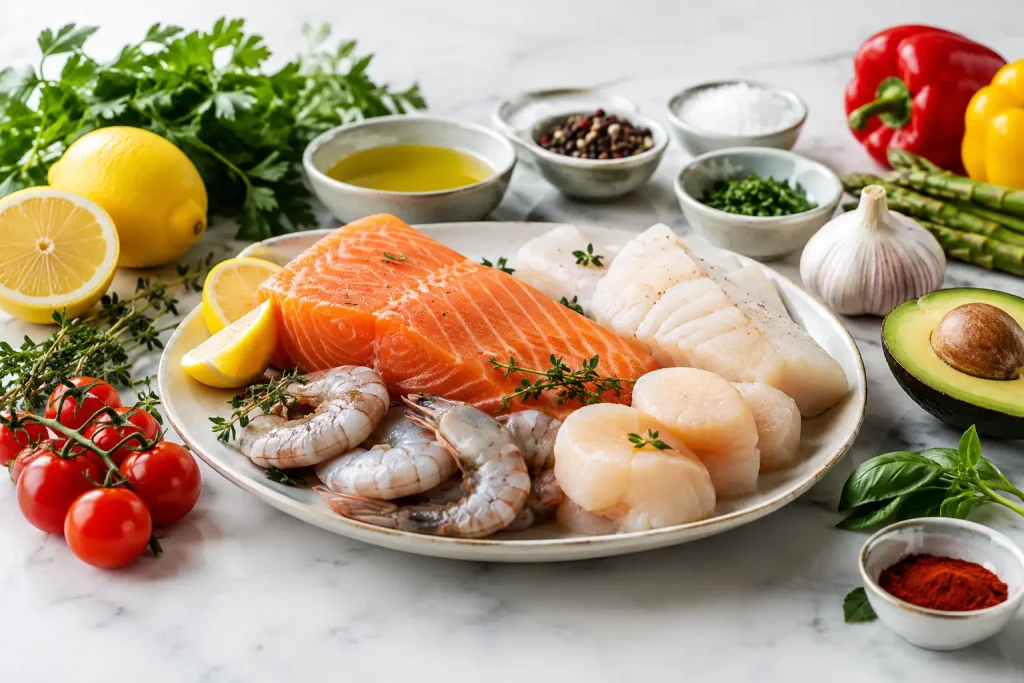
A great piece of seafood does not need to be buried under a heavy sauce to taste special. It needs the right kind of support: a bright squeeze of citrus, a warm peppery crust, buttery garlic, a smoky edge from the grill, or a fresh herb that keeps every bite lively. This seafood flavor pairing guide makes those choices easier, whether you are cooking flaky cod for a Tuesday dinner or throwing shrimp on the grill for a crowd.
The trick is to pair seasonings, sauces, and sides with the seafood’s texture and natural richness. Delicate fish calls for a lighter hand. Rich salmon can stand up to bolder smoke and spice. Sweet shellfish loves a little heat, acid, and savory depth. Once you know where your seafood lands, dinner gets a whole lot more fun.
Seafood Flavor Pairing Guide: Start With Texture
Before reaching for the spice jar, think about what is on the plate. Mild, lean fish such as tilapia, cod, sole, haddock, and flounder have a clean flavor and soft flakes. They are at their best with lemon, parsley, dill, chives, garlic, capers, and gentle pepper. A seasoning blend should lift them up, not take over the whole show.
Meatier fish like salmon, tuna, swordfish, mahi-mahi, and halibut bring more body and natural richness. They welcome bigger flavors, including black pepper, smoked paprika, cumin, chili, rosemary, oregano, mustard, and a touch of sweetness. These are the fish to bring to the grill when you want charred edges and a seasoning crust that really shows up.
Shellfish sits in its own delicious category. Shrimp, scallops, crab, lobster, clams, and mussels often have a natural sweetness and briny character. Balance that sweetness with citrus, garlic, herbs, chile, tomato, butter, or vinegar. The goal is contrast without losing that fresh-from-the-water flavor.
Pairings for Mild, Flaky Fish
Lemon and pepper are classic with white fish for good reason. Lemon adds brightness, while pepper brings a warm, savory bite that does not overpower a delicate fillet. Try this combination on baked cod, pan-seared sole, fish tacos, or grilled tilapia. Add garlic and parsley when you want a familiar, crowd-pleasing finish.
For a Mediterranean direction, pair mild fish with oregano, basil, thyme, garlic, tomato, olives, and a little lemon zest. A white fish fillet baked with cherry tomatoes and herbs is simple enough for a weeknight, but still feels like a meal worth sitting down for. Capers work beautifully here too, especially if you want a salty, tangy pop.
If you are making fish tacos, add a little more personality. Cumin, chile powder, coriander, lime, and smoked paprika bring Southwest energy without masking the fish. Top it with crunchy cabbage, avocado, cilantro, and a lime-forward sauce. The creamy, crisp, spicy, and bright elements make mild fish feel anything but boring.
Be careful with sugary sauces on very delicate fish. They can brown too quickly and leave the fillet tasting more like glaze than seafood. If you want sweetness, use it sparingly and balance it with lime, vinegar, or a little heat.
Bold Matches for Salmon and Meaty Fish
Salmon has enough richness to handle smoke, spice, and strong herbs. Black pepper, garlic, paprika, dill, mustard, maple, brown sugar, and citrus are all strong choices. A smoky pepper blend on grilled salmon, finished with lemon, gives you savory depth with a clean finish. For a sweeter take, use a light maple or honey glaze with mustard and cracked pepper.
Tuna and swordfish are firm enough for high-heat cooking and bold seasoning. Think cumin, coriander, garlic, chile, sesame, ginger, and soy-inspired flavors. A quick sear is often better than a long cook for tuna, so season the outside generously and let the center stay tender. Pair it with a bright slaw, grilled vegetables, or a citrusy rice dish.
Mahi-mahi lands between mild white fish and rich salmon. It is sturdy, slightly sweet, and especially good with tropical flavors such as lime, pineapple, mango, cilantro, jalapeno, and coconut. If fruit is part of the plate, keep the seasoning savory and peppery so the meal does not become too sweet.
Shellfish Loves Contrast
Shrimp is one of the most flexible proteins in the kitchen. It can go buttery and garlicky, smoky and spicy, bright and citrusy, or rich and barbecue-style. For quick sautéed shrimp, use garlic, lemon, parsley, and a peppery seasoning. For the grill, add smoked paprika, chile, cumin, and a touch of brown sugar if you want caramelized edges.
Scallops are sweeter and more delicate than shrimp, so keep the flavor plan focused. Salt, black pepper, lemon, butter, thyme, and a small amount of garlic are often all they need. A golden crust is the prize, which means a hot pan and dry scallops matter just as much as seasoning. Save the sauce for the plate, where it will not interfere with that beautiful sear.
Crab and lobster are naturally rich, sweet, and luxurious. Drawn butter with lemon is hard to beat, but fresh herbs, garlic, Old Bay-style seasoning, and a little cayenne can bring a welcome spark. Avoid overwhelming them with too much smoke or heavy sweetness. Their flavor is already doing plenty of work.
Clams and mussels love broth-based cooking. Build the pot with garlic, shallot, tomato, white wine-style acidity, herbs, chile flakes, and butter. Serve with crusty bread, rice, or pasta to catch every bit of that flavorful broth.
Match the Seasoning to the Cooking Method
Cooking method changes what your seafood can handle. Grilling adds smoke and char, so citrus, pepper, garlic, paprika, and herbs work especially well. Oil the grates and the seafood lightly to prevent sticking, particularly with delicate fish.
Pan-searing gives you a crisp exterior and fast cooking, making it a good match for simple seasoning and a finishing sauce. Start with dry seafood, a hot skillet, and enough space in the pan. Crowding creates steam, and steamed seafood will not develop that craveable golden surface.
Baking is forgiving and perfect for flavors that need a little time to mingle. Think lemon slices, herb butter, tomatoes, garlic, and a clean seasoning blend over cod or salmon. Broiling works when you want a little more color, but keep a close eye on it. Seafood can go from juicy to dry in a hurry.
Sides and Sauces That Keep Seafood Center Stage
A good side should complement seafood instead of competing with it. For light white fish, choose roasted asparagus, green beans, rice, couscous, a crisp salad, or herbed potatoes. For salmon, grilled corn, roasted sweet potatoes, charred broccoli, and hearty grains can stand up to the richer flavor.
Acid is the secret weapon in many seafood meals. Lemon, lime, vinegar, pickled onions, salsa verde, and tomato-based sauces make rich bites feel lighter. Creamy sauces can absolutely work, especially with shrimp, crab, or salmon, but give them a bright note from citrus, herbs, or a small splash of vinegar.
Make Clean Seasoning Do More
When the seafood is fresh, you do not need a cabinet full of complicated ingredients. A quality blend built with real herbs, spices, and salt gives you a dependable starting point, then fresh lemon, butter, herbs, or a sauce can take it in the direction you want. Heath’s Blends Peppery Lemon is a natural fit for fish, shrimp, roasted vegetables, and simple seafood pasta when you want bright citrus flavor with a peppery kick.
Season seafood shortly before cooking, especially if your blend contains salt. Salting too far ahead can pull moisture from delicate fillets. For thicker salmon or swordfish, seasoning 15 to 30 minutes before cooking is usually fine. With shrimp and scallops, season right before they hit the pan or grill.
The best seafood dinners are not about following a rigid rulebook. Taste the seafood, consider how you are cooking it, and give it a partner that adds brightness, warmth, or savory depth. Keep a lemon nearby, trust your skillet, and let your next seafood dinner burst with flavor.