
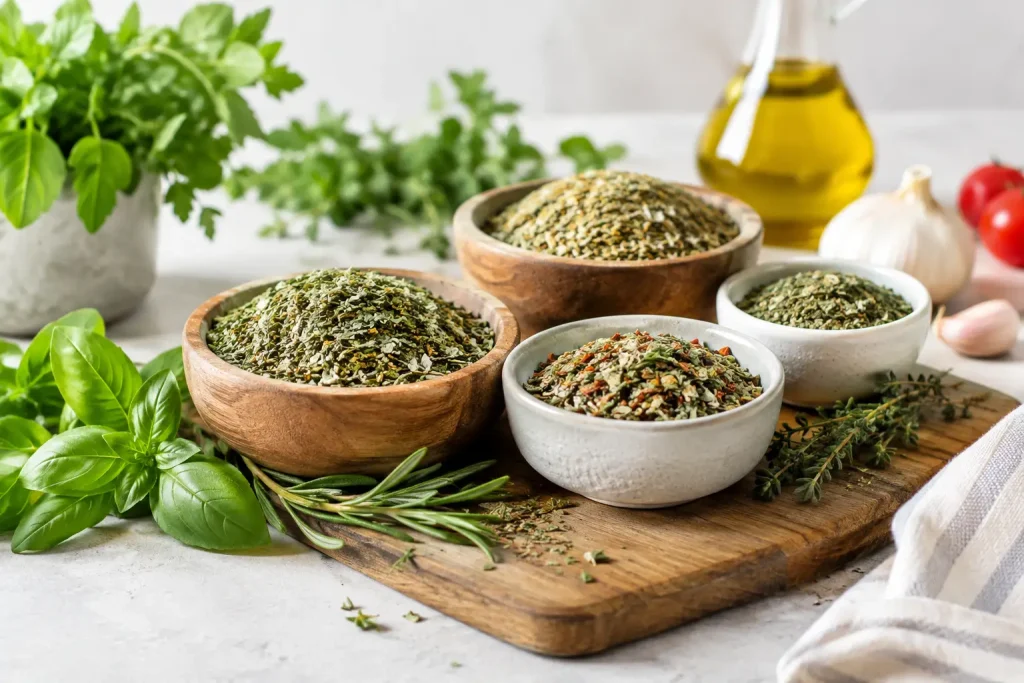
A good weeknight dinner does not need a cabinet full of open spice jars and a recipe you have to study twice. Herb blends bring the savory, bright, smoky, peppery flavor you want into one reliable shake, whether dinner is a sizzling steak, sheet-pan chicken, grilled shrimp, roasted vegetables, or a pot of soup feeding the whole family.
That is the real beauty of a well-made blend: it gives everyday ingredients a point of view. A potato becomes crisp, savory, and impossible to stop picking at. A plain chicken breast gets a flavorful crust. Fresh vegetables taste more like themselves, not less. It is amazing what the right mix of herbs, spices, salt, and citrusy or smoky notes can do.
What Makes Herb Blends So Useful?
Herbs and spices each bring something different to the table. Herbs such as oregano, thyme, rosemary, basil, parsley, and dill tend to add fresh, green, earthy character. Spices like black pepper, paprika, garlic, cumin, chile, and coriander can bring warmth, depth, heat, sweetness, or a rich toasted quality.
When those ingredients are balanced ahead of time, you can cook with more confidence. Instead of wondering whether a dish needs more garlic, a pinch of paprika, or another turn of the pepper mill, you start with a blend designed to make flavors work together. That is especially helpful when you are cooking after work, getting the grill going for friends, or trying to make vegetables more exciting for the family.
Convenience is part of the appeal, but it should not come at the expense of flavor. The best blends taste intentional, not dusty or flat. Look for blends made with recognizable herbs and spices, clean ingredients, and no unnecessary fillers, artificial flavors, preservatives, or MSG. The salt matters, too. Himalayan pink salt brings a clean savory foundation that lets the rest of the ingredients show up on the plate.
How to Match Herb Blends to What You Cook
There is no rule saying one seasoning belongs to only one food. A tangy barbecue blend can be terrific on roasted cauliflower. A lemony pepper blend can wake up potatoes as easily as it brightens salmon. Still, thinking about the flavor direction you want helps you make a great choice every time.
For steaks, burgers, and hearty potatoes
Bold, pepper-forward blends are made for the grill and the cast-iron skillet. Use them on ribeyes, burgers, pork chops, mushrooms, and potato wedges when you want a rich, savory bite with a little edge. Season meat 30 to 45 minutes before cooking when possible, so the flavor has time to settle in. For thinner cuts or burgers, even 10 minutes makes a difference.
Potatoes can take more seasoning than many home cooks expect. Toss them with oil and a generous coating of a steakhouse-style blend before roasting. The oil helps the herbs and spices cling, while high heat creates those browned corners everyone reaches for first.
For chicken, seafood, and lighter meals
Chicken, fish, shrimp, and vegetables often shine with herb blends that have citrus, garlic, pepper, or garden-herb notes. These foods have a milder flavor, so the seasoning can add brightness without requiring a heavy sauce.
For fish and shrimp, season shortly before cooking rather than hours ahead, especially if the blend contains citrus. A quick coating with oil, a light but even shake of seasoning, and a hot pan can produce a restaurant-worthy dinner in minutes. Finish with fresh lemon if you have it, but do not feel like you need a complicated garnish to make the meal feel special.
Chicken is more flexible. Rub a blend onto thighs, breasts, wings, or a whole bird before grilling, roasting, or air frying. If you are using skin-on chicken, season beneath the skin as well as on top. That small move gets more flavor into every bite.
For vegetables, soups, and pantry meals
Vegetables love a confident hand with seasoning. Broccoli, green beans, zucchini, carrots, corn, and Brussels sprouts all benefit from oil, high heat, and a blend that brings savory depth. Add dry seasoning before roasting, then taste after cooking. A final pinch can bring back the aroma that heat softens.
Soups, beans, rice, eggs, and pasta are where herb blends earn a permanent spot by the stove. Start modestly when seasoning a pot of soup or chili, since the flavor concentrates as liquid cooks down. Taste near the end, then add more as needed. For scrambled eggs or avocado toast, use a lighter shake at the finish, when the herbs and pepper stay fragrant and lively.
The Simple Method for Better Seasoning
Great flavor is less about measuring perfectly and more about building in layers. Season the food before it hits the heat, then taste and adjust before serving. That is how cooks avoid food that tastes salty on the outside but bland in the middle.
For proteins, pat the surface dry first. Moisture can keep seasoning from sticking and can get in the way of a good sear. Add a little oil if needed, apply your blend evenly, and press it gently onto the food. With roasts, thicker chops, and whole chickens, give the seasoning more time. With delicate fish, quick-cooking shrimp, and thin vegetables, seasoning right before cooking is usually enough.
Keep an eye on sugar and delicate herbs when grilling over high heat. A blend with sweeter ingredients can caramelize beautifully, but it can also burn if flames are too aggressive. Move food to indirect heat when necessary, or save a second light dusting for after cooking. The goal is a flavorful crust, not a blackened layer that hides everything else.
Freshness Changes the Whole Dish
Even a thoughtfully balanced seasoning cannot do its best work if it has been sitting forgotten in a humid cabinet for years. Herbs and spices lose their aroma over time, and aroma is a big part of what makes food taste exciting.
Store your blends tightly sealed in a cool, dry place away from the stove, dishwasher steam, and direct sunlight. Avoid shaking seasoning directly over a steaming pan. The steam can creep into the container and cause clumping. Instead, shake what you need into your hand, a small bowl, or a spoon.
You will know a blend is still lively when you open the jar and get a clear, appetizing scent right away. If it smells faint, the answer is not always to use twice as much. Fresh seasoning usually creates better results than trying to force flavor from an old jar.
A Cleaner Shortcut for Real Cooking
A seasoning blend should make cooking easier, but it should also let you feel good about what you are putting on the table. That is why ingredient standards matter. Organic herbs and spices, non-GMO ingredients, Himalayan pink salt, and formulas without nuts, fillers, artificial flavors, preservatives, or MSG give home cooks a straightforward way to bring bigger flavor to everyday meals.
At Heath’s Blends, that means creating options with personalities of their own – from the backyard energy of Tom’s Tangy BBQ to the bright kick of Peppery Lemon and the Southwest heat of Smokin’ Maria. The right jar depends on your mood, your meal, and whether you are firing up the grill or making something simple with what is already in the fridge.
Do not save your favorite blend for a holiday roast or a weekend cookout. Shake it over tonight’s vegetables, stir it into tomorrow’s soup, and give those plain eggs a little attitude. The meals your family remembers are often the ones that started with a simple ingredient and a great seasoning within reach.