
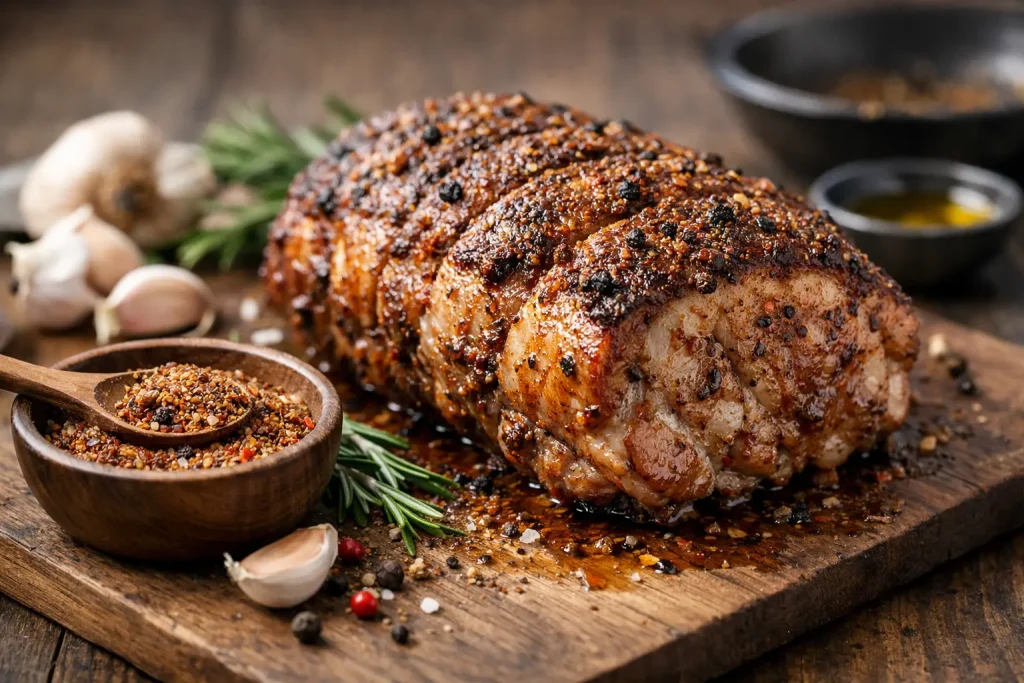
A great pork roast does not need a complicated marinade or a cabinet full of half-used spices. It needs a pork roast seasoning rub with enough savory depth to season the center, enough color to build a beautiful crust, and enough balance to let the pork stay deliciously porky. Rub it in well, give it a little time, and your kitchen is on its way to smelling like Sunday dinner – even on a Tuesday.
Pork is a friendly, versatile protein. A tenderloin cooks quickly, while a pork loin or shoulder gives you the kind of meal that brings people back for one more slice. The cut matters, but the seasoning is what turns a basic roast into a memorable plate of juicy meat, caramelized edges, and flavorful drippings worthy of mashed potatoes, roasted vegetables, or a toasted sandwich the next day.
What Makes a Great Pork Roast Seasoning Rub?
Pork has a gentle richness, so it responds especially well to seasonings that bring salt, pepper, garlic, herbs, mild sweetness, and a little warmth. The goal is not to bury the meat under heavy spice. It is to create layers: savory flavor on the first bite, fragrant herbs as you chew, and a peppery finish that keeps the roast from tasting flat.
Salt is the foundation. It seasons beyond the surface when applied ahead of time and helps the roast hold onto moisture as it cooks. Himalayan pink salt brings clean, mineral-rich flavor, while black pepper adds a lively bite. Garlic and onion provide the familiar roasted, savory character most home cooks want from a pork dinner.
From there, the flavor direction is up to you. Paprika adds warm color and a touch of sweetness. Rosemary, thyme, sage, and oregano lean toward classic roast-dinner territory. A little brown sugar can help create a dark, caramelized exterior, but it needs a watchful eye at higher heat. Cumin or chili pepper can take the roast toward the Southwest, while a bright touch of lemon pepper or vinegar-forward seasoning cuts through richer cuts beautifully.
Clean ingredients make a difference here. When your blend is built from real herbs and spices, without MSG, artificial flavors, fillers, or preservatives, each shake earns its place on the roast. You get direct, honest flavor rather than a powdery coating that tastes the same on every bite.
Match the Rub to Your Pork Cut
A pork loin roast is leaner and benefits from a well-rounded savory rub, especially one with garlic, herbs, pepper, and a modest amount of salt. Because it can dry out if overcooked, avoid relying on a thick sugary crust alone. Flavorful herbs and pepper carry the dish without requiring a long cook.
Pork shoulder, often sold as Boston butt or picnic roast, has more fat and connective tissue. It can stand up to bolder barbecue-style flavor, including paprika, black pepper, garlic, onion, chile, and some sweetness. Cooked low and slow, that rub becomes part of the bark – the deeply seasoned exterior that makes pulled pork so hard to resist.
Pork tenderloin is small, tender, and fast-cooking. Use a lighter hand with the rub because there is more surface area relative to the amount of meat. It is a fine choice for peppery lemon, herb-forward, or Southwest-style blends, then a quick sear and roast until just done.
Bone-in pork roasts bring extra flavor and can cook a little more evenly, though they take longer than boneless cuts. The same seasoning principles apply. Give the rub access to every exposed surface, including the sides and the areas near the bone.
How Much Rub to Use
For most roasts, plan on about 1 tablespoon of seasoning rub per pound of pork. A 3-pound pork loin needs roughly 3 tablespoons. That is enough to build a flavorful exterior without leaving a thick layer of dry spice on the carving board.
Pat the pork dry first. Moisture on the surface can make the seasoning slide around instead of cling. If the roast is very lean, lightly coat it with olive oil or a thin layer of yellow mustard before adding the rub. You will not taste the mustard after cooking, but it helps the spices adhere and supports browning.
Sprinkle the seasoning evenly, then use your hands to press it into every side. This is not the moment for a delicate dusting. You want the blend to make contact with the meat. For a pork loin, do not forget the narrow ends. For a shoulder, work seasoning into the natural seams and folds.
If time allows, refrigerate the seasoned roast uncovered for 2 to 12 hours. This dry-brine approach gives the salt time to work and dries the surface slightly, which can lead to better browning. If dinner is happening soon, even 20 to 30 minutes on the counter while the oven heats will help the flavors settle in.
A Reliable Roasting Method for Juicy Pork
The best cooking method depends on the cut, but a pork loin roast is an easy place to start. Heat the oven to 375°F. Set the seasoned roast on a rack in a roasting pan or in a skillet large enough to catch the drippings. Roast until the thickest part reaches 145°F on an instant-read thermometer, then rest it for at least 10 minutes before slicing.
That thermometer is your best friend. Pork loin can move from juicy to dry faster than you expect, and color is not a dependable way to judge doneness. At 145°F, pork may have a slight blush of pink in the center. That is perfectly fine and often exactly what keeps the slices tender.
For extra crust, sear the roast in a hot oven-safe skillet with a little oil before transferring it to the oven. A few minutes per side creates deeper browning and wakes up the spices. If your rub contains sugar, keep the heat moderate and pay attention. Sugar brings great color, but it can scorch before the pork reaches temperature.
Pork shoulder is a different kind of project, and a worthwhile one. Season it generously and roast or smoke it low and slow, usually around 250°F to 300°F, until it is fork-tender. For pulled pork, that often means an internal temperature near 195°F to 205°F, plus enough resting time for the meat to relax before shredding.
Flavor Directions That Work Every Time
For classic comfort food, choose a garlic-and-herb profile with black pepper, rosemary, thyme, and a warm touch of paprika. Serve the roast with potatoes, green beans, or apples cooked in the pan drippings.
For barbecue night, go for smoky paprika, pepper, garlic, onion, and a little sweetness. This style is especially good on pork shoulder, but it also makes a pork loin shine when paired with grilled corn and a crisp slaw.
For a brighter roast, use a peppery lemon blend with garlic and herbs. The citrusy edge is excellent with tenderloin and pairs naturally with asparagus, zucchini, or a simple arugula salad. Heath’s Blends Peppery Lemon is an easy way to bring that fresh, lively direction to pork without measuring several jars of spices.
For a Southwest-inspired dinner, reach for cumin, chile, garlic, onion, and oregano. Roast the pork, slice or shred it, then tuck it into warm tortillas with charred peppers, beans, avocado, and a squeeze of lime. It is amazing what spice can do to turn one roast into several meals.
Small Details That Make the Difference
Resting is not optional. When pork comes out of the oven, its juices are still moving. Slice too early and those juices end up on the cutting board instead of in the meat. Tent the roast loosely with foil, let it sit, then carve across the grain into slices as thin or thick as your meal calls for.
Save the pan drippings, too. Spoon off excess fat, then stir the browned bits with a splash of broth, apple cider, or water. Taste before adding more salt, since the rub has already done its work. That quick pan sauce can turn an ordinary weeknight plate into something guests would swear took all day.
A pork roast seasoning rub is less about following a rigid formula and more about cooking with confidence. Start with a quality blend, season generously, trust your thermometer, and let the roast rest. The reward is a meal with bold edges, juicy slices, and enough flavor to make tomorrow’s leftovers something to look forward to.