
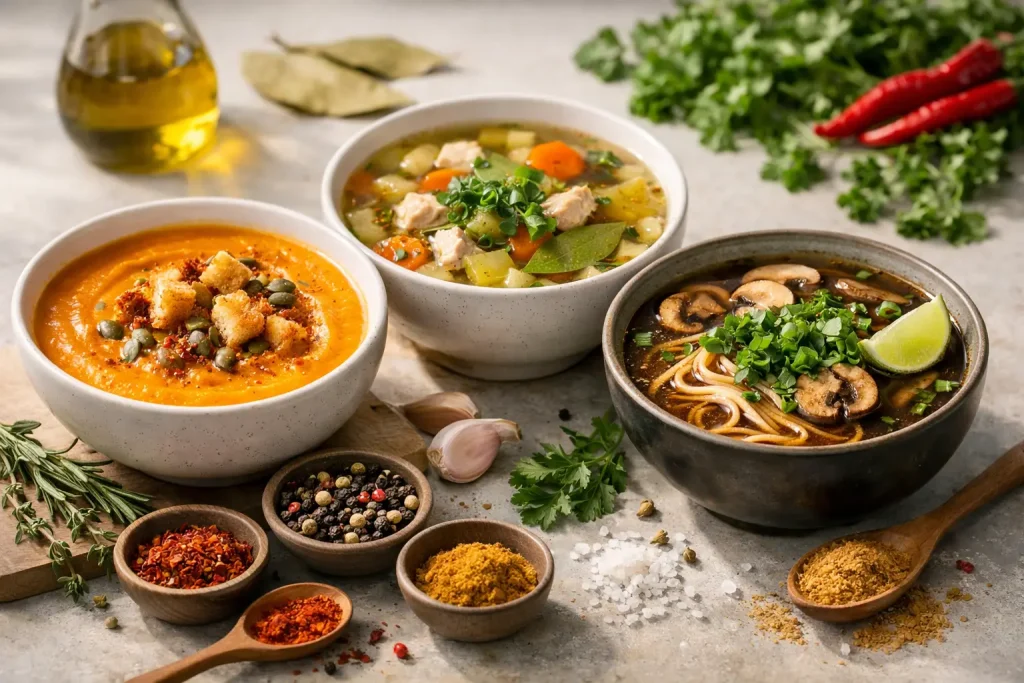
A soup can have good ingredients, plenty of simmer time, and still taste like it is missing something. Usually, it is. The best seasoning for soup is not one mystery shake added at the table. It is a smart balance of salt, aromatics, herbs, spices, and a final bright note that gives every spoonful a reason to come back for more.
That does not mean you need a cabinet full of jars or a complicated recipe. A dependable seasoning blend can do the heavy lifting, especially on a busy weeknight. The key is choosing a flavor direction that fits the pot, then seasoning in stages so the broth tastes rich, rounded, and unmistakably homemade.
What Makes the Best Seasoning for Soup?
Great soup seasoning does more than make food salty. It builds depth. Salt brings ingredients into focus, herbs add a savory garden-fresh character, spices provide warmth or a little spark, and acidity keeps richer soups from tasting flat.
Think of seasoning as the difference between a pot of vegetables in water and a meal that fills the kitchen with a come-get-a-bowl aroma. The right blend should support the main ingredients instead of covering them up. Delicate fish and sweet corn need a lighter hand than a beefy chili. A creamy potato soup needs peppery contrast and brightness, while a tomato-based pot can handle bolder garlic, smoke, and chile.
Ingredient quality matters here. Fresh herbs and spices bring clearer flavor, while blends made without artificial flavors, fillers, or MSG let you season with confidence. Himalayan pink salt has a clean, balanced taste that works beautifully in a wide range of soups, from simple chicken noodle to a hearty bean-and-sausage supper.
Season in Layers, Not All at Once
The biggest soup-seasoning mistake is waiting until the last minute. You can absolutely adjust a finished pot, but flavors develop more naturally when they are added in a few thoughtful stages.
Start with your base. As onions, celery, carrots, garlic, or peppers cook in oil or butter, add a pinch of your seasoning. This wakes up dried herbs and spices in the pan and gives the whole soup a stronger foundation. If you are using meat, season it before browning as well. Those browned bits at the bottom of the pot carry serious flavor.
Add another measured shake when the broth goes in. At this point, the seasoning has time to mingle with the vegetables, beans, grains, or protein as the soup simmers. Keep it moderate, especially if you are cooking with boxed broth, canned tomatoes, cured meat, or cheese, since those ingredients may already bring salt.
Then taste again near the end. This is where many soups need their final adjustment. A little more seasoning may be the answer, but sometimes what you really need is fresh black pepper, a squeeze of lemon, a splash of vinegar, or chopped herbs. Salt makes flavor louder. Acid makes flavor livelier. Knowing which one your soup needs is what turns a decent pot into a memorable one.
Match Your Blend to the Kind of Soup
There is no single best seasoning for soup because soup covers a lot of ground. A savory all-purpose blend is a smart starting point, but your ingredients should always lead the decision.
For chicken noodle, turkey, and vegetable soups
Choose an herb-forward blend with garlic, onion, black pepper, and familiar savory notes. These soups are comforting by nature, so the goal is warmth and balance rather than heat. Add the blend early with the vegetables, then finish with parsley, dill, or a squeeze of lemon if the broth needs a lift.
A simple salt, pepper, onion, and garlic profile works especially well when you want the chicken, noodles, and vegetables to stay front and center. This is also the right lane for leftover roast chicken or holiday turkey.
For creamy potato, corn, and chowder-style soups
Creamy soups need seasoning that can cut through richness. Black pepper is a must, while garlic, onion, and a touch of smoky flavor make potatoes, corn, and bacon taste even more at home together. A peppery lemon blend can be excellent in seafood chowder or creamy chicken soup, but use it with a light hand so the citrus does not take over.
If your finished soup tastes heavy, do not immediately add more salt. Try a small squeeze of lemon or a few drops of apple cider vinegar first. That little bit of brightness can make cream, cheese, and butter taste more balanced without changing the cozy character of the dish.
For chili, taco soup, and Southwest-style pots
This is where warm spices earn their place. Cumin, chile peppers, garlic, onion, paprika, and oregano bring bold flavor to beans, ground beef, chicken, corn, and tomatoes. A Southwest-inspired blend gives you a reliable flavor base without measuring six different spices while the family is asking when dinner will be ready.
For a more roasted, campfire-style finish, add smoky seasoning after browning the meat and again during the simmer. Smokin’ Maria or Southwest Sizzler from Heath’s Blends can bring that big, savory character to chili and taco soup without turning your kitchen counter into a spice-jar traffic jam. If you like heat, build it gradually. You can always add more chile, but you cannot pull it back out of the pot.
For bean, lentil, and vegetable soups
Beans and lentils love assertive seasoning because they absorb so much flavor as they cook. Garlic, black pepper, smoked paprika, oregano, thyme, and a little chile all work well. A tangy note is especially helpful in these hearty soups, whether it comes from tomatoes, vinegar, or a seasoning blend with a bright edge.
For vegetable soup, match the seasoning to the vegetables you have. Root vegetables welcome earthy herbs and pepper. Greens pair beautifully with garlic and lemon. Tomatoes can handle a deeper, smokier profile. Taste after the vegetables are tender, because the liquid will concentrate as the pot cooks.
For seafood and lighter broths
Seafood soups, fish stews, and brothy spring vegetable soups call for restraint. Lemon, black pepper, garlic, parsley, dill, and a touch of paprika are often all you need. Season the broth first, then add delicate seafood closer to the end so it stays tender.
Avoid loading these soups with heavy smoke or aggressive chile unless that is the specific style you are after. The best result lets the shrimp, crab, fish, or fresh vegetables taste clean and bright.
The Quick Fix for Flat-Tasting Soup
When a soup tastes bland, pause before dumping in a big spoonful of salt. Taste a small spoonful and ask what is missing: savoriness, warmth, brightness, or body?
If it needs savoriness, add a little more all-purpose seasoning, garlic, onion, or a salty ingredient in small amounts. If it needs warmth, reach for black pepper, paprika, cumin, or chile. If it tastes rich but dull, acid is often the answer. Lemon juice, vinegar, or even a spoonful of pickle brine can wake up a pot of bean soup, potato soup, or chili in seconds.
If the broth tastes too salty, add unsalted liquid or more unseasoned ingredients when possible. Potatoes, beans, rice, noodles, and extra vegetables can help spread the salt across a larger batch, but they are not magic erasers. The better move is to season gradually from the beginning.
A Better Way to Keep Soup Easy
You do not need a different blend for every recipe. Keep one versatile savory seasoning for everyday soups, one warm Southwest or smoky blend for chili and bean pots, and one bright peppery option for chicken, seafood, and vegetables. That small lineup covers a whole lot of dinner.
Most importantly, taste with intention. Soup changes as it simmers, and the final five minutes are where a cook gets to make it personal. Give your next pot one more thoughtful shake, one fresh bright finish, and serve it while the flavor is still singing.