
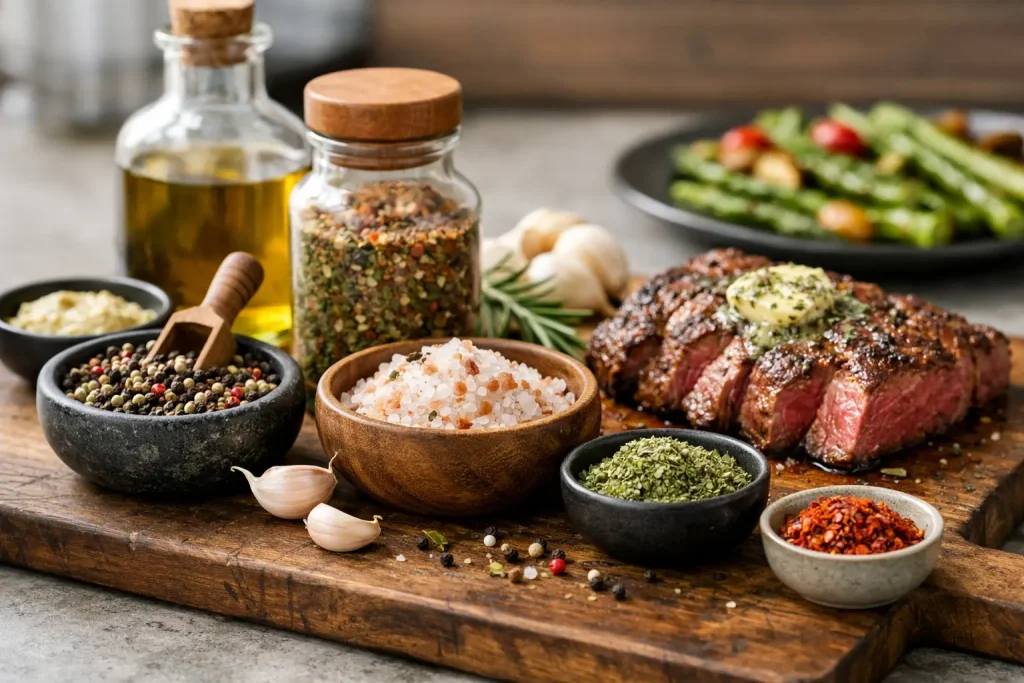
A good seasoning can rescue a plain chicken breast, give roasted potatoes a serious personality, or make a pot of soup taste like it had all afternoon to come together. Gourmet seasonings earn their place in the pantry by doing more than adding salt. They bring purposeful flavor, quality ingredients, and reliable results to the food you already love to cook.
For home cooks, that means less time opening six spice jars and more time enjoying dinner. Whether the menu calls for a smoky rack of ribs, bright grilled shrimp, crispy vegetables, or a simple burger night, the right blend helps every bite show up with confidence.
What Makes Seasonings Gourmet?
The word gourmet should mean something useful, not just a prettier label. A gourmet blend starts with ingredients selected for flavor, aroma, and how well they work together. Herbs should smell lively. Spices should have character. Salt should support the blend instead of taking over the plate.
It also comes down to what is left out. Many everyday seasoning mixes rely on filler ingredients, artificial flavors, excessive sugar, or MSG to create a quick hit of flavor. A cleaner blend lets the real ingredients do the work. Organic herbs and spices, non-GMO ingredients, Himalayan pink salt, and formulas without nuts, preservatives, or artificial flavors make it easier to season food with intention.
That does not mean every blend needs to taste delicate. Quite the opposite. Bold barbecue, peppery steak rubs, tangy vinegar notes, and Southwest-style heat can all be big, satisfying flavors. The difference is balance. Heat should not erase the flavor of the meat. Garlic should not bury the vegetables. Salt should make the rest of the ingredients taste more like themselves.
Why One Well-Made Blend Changes Dinner
Building your own spice combination can be fun when you have the time and a full spice cabinet. On a Tuesday night, it can also mean measuring, tasting, correcting, and washing one more spoon. A well-built seasoning blend handles that work before it reaches your kitchen.
Consistency is the real win. If your family loved last week’s grilled chicken, you can make it again without trying to remember whether you used paprika, onion, garlic, black pepper, cumin, and a pinch of something else. The flavor becomes part of your cooking rhythm.
Gourmet seasonings also help everyday ingredients feel less repetitive. Ground beef can become a tangy barbecue burger one night and a lively Southwest skillet the next. A bag of frozen vegetables can take on smoky warmth or bright lemon-pepper lift. The ingredient may be familiar, but dinner does not have to taste the same.
Match the Blend to the Food, Not Just the Label
A seasoning named for steak can be fantastic on potatoes, mushrooms, burgers, and roasted cauliflower. A seafood-friendly blend may bring a bright finish to chicken, rice, green beans, or a creamy dip. The label is a starting point, not a rulebook.
For rich cuts such as ribeye, pork shoulder, or burgers, look for savory pepper, garlic, onion, and smoke-forward flavor. A blend like Steak & Taters belongs on more than its name suggests. It can give smashed potatoes a crisp, savory crust and turn a tray of roasted mushrooms into a side dish people actually reach for twice.
For barbecue, balance matters even more. Tangy blends work beautifully with ribs, pulled pork, chicken thighs, and grilled corn because acidity keeps sweet, fatty, or smoky foods from feeling heavy. Tom’s Tangy BBQ can bring that backyard-barbecue character without requiring a long list of separate ingredients.
Southwest-inspired blends shine when you want warmth, earthiness, and a little kick. Try them on fajita vegetables, chicken wings, taco meat, black beans, grilled shrimp, or a sheet pan of sweet potatoes and peppers. Southwest Sizzler and Southwest Sidewinder can take a straightforward meal in a more adventurous direction, but the amount you use should depend on who is around the table. Start lighter for mild eaters, then add more at serving time.
Bright blends deserve a regular spot in the kitchen, too. Peppery Lemon is a natural fit for fish and seafood, yet it can also wake up roasted broccoli, asparagus, chicken cutlets, and a simple bowl of rice. Salt & Vinegar seasoning adds a sharp, craveable edge to fries, popcorn, roasted chickpeas, and grilled vegetables. Those unexpected uses are where a seasoning collection becomes genuinely useful.
How to Use Gourmet Seasonings for the Best Flavor
Seasoning is simple, but timing changes the result. For steak, chops, chicken, and other proteins, apply your blend before cooking so the exterior has time to absorb flavor and form a flavorful crust. Pat the protein dry first, then coat it evenly rather than dumping seasoning in one spot.
For vegetables, toss with a little oil and seasoning before roasting or grilling. Oil helps the herbs and spices cling while encouraging browning. If the blend contains delicate herbs, citrus notes, or a vinegar-forward flavor, a small extra sprinkle after cooking can make those top notes pop.
Soups, sauces, and slow-cooked dishes benefit from a two-stage approach. Add some seasoning early so the flavor becomes part of the dish, then taste near the end and adjust. Long cooking can soften bright flavors, especially lemon, vinegar, and fresh pepper. A final pinch can bring the whole pot back into focus.
There is one practical caution: salt levels vary from blend to blend. If you are seasoning a recipe that already includes broth, cheese, cured meat, soy sauce, or a bottled sauce, go easy at first. You can always add more. Great seasoning should give you control, not force you to chase an overly salty dish with extra ingredients.
Fresh Ingredients Matter More Than Fancy Claims
Spices do not improve by sitting forgotten above the stove. Heat, light, and air gradually pull away the fragrant oils that give seasonings their aroma. That is why a fresh blend often smells noticeably fuller the moment you open it.
Store your seasonings tightly closed in a cool, dry cabinet, away from the steam of the range and direct sunlight. Skip shaking a bottle directly over a steaming pan when possible. Moisture can clump the blend and dull its texture. Spoon out what you need, then return the bottle to the cabinet.
A quick smell test is useful. If a blend smells flat, dusty, or barely noticeable, it will not suddenly become exciting in the skillet. Freshness is one reason ingredient quality and batch care matter. You want the pepper to smell peppery, the garlic to smell savory, and the herbs to bring life before they ever hit the heat.
Build a Small Seasoning Lineup You Will Actually Use
You do not need a cabinet packed with one-purpose bottles. A smart collection usually includes a dependable all-purpose savory blend, a smoky barbecue option, a bold pepper-forward blend for meat and potatoes, something bright for seafood and vegetables, and a warm Southwest-style choice.
That range covers an impressive number of meals without creating clutter. S.P.O.G can be the reach-for-it blend for eggs, burgers, chicken, and roasted vegetables. Smokin’ Maria can bring depth to grilled food, chili, and hearty beans. Then a bright or tangy bottle keeps the lineup from leaning too heavy and savory.
The best choice depends on how you cook. A dedicated pitmaster may go through barbecue blends quickly, while a household that eats fish twice a week may get more use from citrus and pepper. If your goal is faster weeknight meals, versatility matters more than owning a separate blend for every protein.
Heath’s Blends is built around that kind of practical versatility: clean, flavor-first seasonings that can move from the grill to the oven to the stovetop without making dinner complicated.
Let Your Cooking Lead the Way
The most satisfying meals are not always the fussiest ones. Sometimes they are crispy chicken thighs with a bold savory crust, corn on the grill with a tangy finish, or roasted vegetables that disappear before the main dish is ready. Keep a few gourmet seasonings within reach, taste as you cook, and give ordinary ingredients a reason to become the meal everyone remembers.