A rack of baby backs does not need a complicated marinade to earn a spot at the center of the table. It needs a rub with enough personality to season the meat, build a beautiful bark, and still let that tender pork flavor come through. The best baby back rib rubs do exactly that, whether your barbecue leans sweet and sticky, smoky and savory, or hot enough to keep the cold drinks moving.
Baby backs are naturally leaner and more delicate than spare ribs, so a heavy-handed, salt-first blend can overwhelm them fast. The right rub should bring balance: salt for seasoning, sweetness for caramelized color, spice for warmth, and herbs or peppers for a finish that makes everyone reach for one more rib.
What Makes a Great Baby Back Rib Rub?
Start with the basic job of a rub. It seasons the meat beyond the surface, helps form a flavorful crust during a low-and-slow cook, and sets the direction for any sauce you add later. A good rib rub should not taste like one loud note straight from the shaker. Before it hits the grill, you should be able to smell layers of pepper, paprika, garlic, onion, herbs, chile, or warm spices.
Salt deserves special attention. It is essential, but more is not always better. Since baby backs cook for several hours and often get finished with sauce, an overly salty blend can turn a beautiful rack into a thirsty meal. Look for a balanced seasoning with recognizable ingredients instead of fillers, artificial flavors, or an ingredient list that reads like a chemistry project.
Sugar is another choice worth making on purpose. Brown sugar, cane sugar, coconut sugar, or a touch of maple-like sweetness can help ribs develop deep color and a classic barbecue crust. But sugar can darken too quickly over high heat. If you like to finish ribs directly over a hot flame, choose a lower-sugar rub or wait to apply your sweet sauce until the final minutes.
7 Best Baby Back Rib Rub Styles
There is no single best flavor for every rack. The best choice depends on your cooking method, sauce plans, and who is sitting down to eat.
1. Classic Sweet Paprika Rub
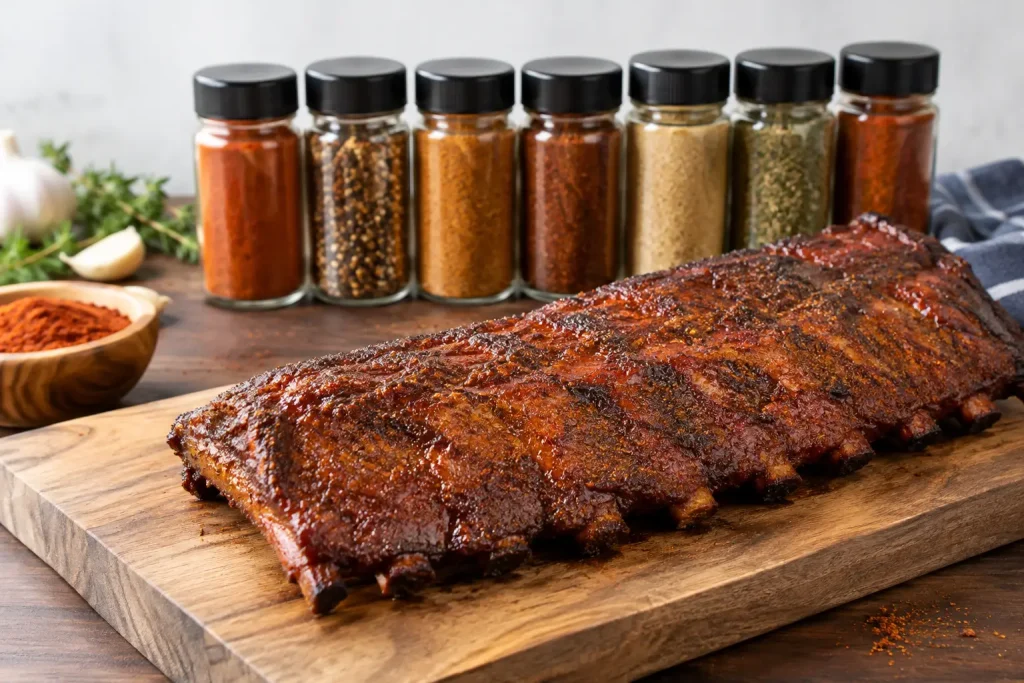
For a crowd-pleasing rack, classic sweet barbecue seasoning is hard to beat. Paprika brings warm color, garlic and onion build savoriness, black pepper adds a little bite, and a measured amount of sugar rounds everything out. This is the rub to choose when you want glossy, reddish-brown ribs with a familiar backyard barbecue flavor.
Pair it with a tomato-based barbecue sauce, or serve it dry with corn, slaw, and baked beans. If your sauce is already very sweet, use a lighter hand with the rub so the finished ribs stay balanced.
2. Peppery Texas-Style Rub
If you prefer pork that tastes like pork, reach for a pepper-forward rub. Coarse black pepper, garlic, onion, paprika, and a clean salt base make a simple but mighty combination. It creates a darker, more savory bark and works especially well when you are smoking ribs over oak, hickory, or pecan.
This style is less candy-sweet and more barbecue-joint bold. Skip thick sauce altogether, or offer it on the side. A splash of apple cider vinegar in a finishing glaze can brighten the richness without covering that peppery crust.
3. Smoky Chile Rub
Smoke on smoke is a good thing when it is done with restraint. A chile-based rub with smoked paprika, ancho, chipotle, or mild red pepper gives baby backs a deeper, campfire-style character even when you are cooking on a gas grill. Garlic and a little sweetness keep the smoke from tasting harsh.
This is a strong pick for cooks who like ribs with a little edge but do not want a full-on heat challenge. Use fruit wood such as apple or cherry for a mellow smoke profile, then finish with a tangy sauce to wake up the chile notes.
4. Tangy Vinegar and Mustard Rub
Sweet ribs get plenty of attention, but tangy ribs deserve a place on the platter too. A mustard and vinegar-inspired rub can bring sharpness through mustard powder, lemony pepper, cider-vinegar flavor, and savory spices. It is especially useful if you find standard barbecue rubs too sugary.
This profile shines with a thin vinegar mop during the cook. Keep the mop light so it does not wash away the developing bark. The result is bright, savory pork with enough tang to cut through creamy potato salad or mac and cheese.
5. Southwest Chile-Lime Rub
For ribs that bring a little desert heat to the grill, try a Southwest-style blend with chile peppers, cumin, garlic, coriander, and citrusy notes. The lime element should be lively, not sour, while cumin adds an earthy backbone that loves the gentle sweetness of pork.
Serve these ribs with grilled corn, charred peppers, black beans, or a fresh corn-and-avocado salad. They are also excellent finished with a honey-lime glaze, but keep that glaze thin so the spices stay in the spotlight.
6. Herb and Garlic Savory Rub
Not every rack needs to taste like traditional barbecue. An herb-forward rub built around garlic, black pepper, rosemary, thyme, oregano, or parsley offers a savory alternative that feels right at home beside roasted vegetables and crusty bread. It is a smart choice for oven-baked ribs, especially when smoke is not part of the plan.
Because dried herbs can scorch over direct high heat, cook these ribs indirectly and avoid aggressive flame-finishing. A quick brush of olive oil, lemon, and garlic at the end makes the flavors pop without needing a sugary sauce.
7. Sweet Heat Rub
Sweet heat is for the cook who wants the first bite friendly and the finish memorable. Think paprika, brown sugar, black pepper, garlic, cayenne, and a touch of chipotle or crushed red pepper. The sweetness brings the barbecue comfort; the peppers keep it from becoming flat.
The trade-off is simple: chile heat becomes more noticeable as the ribs cook and concentrate. If you are feeding a mixed crowd, use a moderate sweet heat rub on the whole rack and put extra hot sauce on the table for the fire-loving folks.
How Much Rub Should You Use on Baby Back Ribs?
For a standard rack, start with about 2 to 3 tablespoons of rub. Remove the membrane from the bone side first, then pat the ribs dry. A light coat of yellow mustard, hot sauce, or neutral oil can help the seasoning cling, but it should be a thin film, not a paste. You should still see the surface of the meat beneath the rub.
Apply the seasoning evenly to both sides, giving the meat side a little more attention. Press it in gently rather than rubbing aggressively. Then let the ribs rest for 20 to 30 minutes while the grill or smoker comes to temperature. This gives the salt time to begin working its way into the surface without pulling so much moisture that the exterior turns wet.
For a deeper dry-brined flavor, you can season the ribs a few hours ahead and refrigerate them uncovered. Just choose a balanced blend and avoid going too heavy. Overnight seasoning can be delicious, but it depends on the salt level of the rub and whether you plan to sauce the ribs later.
Get Better Bark Without Burning the Rub
Baby back ribs are usually happiest around 250°F to 275°F with indirect heat. That steady temperature gives the fat time to render and lets the rub set into a bark instead of scorching. Smoke is welcome, but thick white smoke can make even the best seasoning taste bitter. Aim for clean, light smoke.
If you use a sugary rub, save direct heat for the very end and stay close to the grill. Sauce belongs late in the cook, usually during the last 15 to 30 minutes, when it can tack up without burning. For dry ribs, let the rub carry the whole meal and add a bright finishing touch like a squeeze of lemon, a dusting of extra pepper, or a light vinegar mist.
At Heath’s Blends, the goal is simple: give home cooks clean, bold flavor from thoughtfully selected herbs and spices, so a great rack does not require a cabinet full of mystery ingredients.
The next time ribs are on the menu, choose a rub that matches the mood of the meal, season with confidence, and let the low heat do its patient work. When the bones start to peek out and the bark looks just right, dinner is already halfway to legendary.