
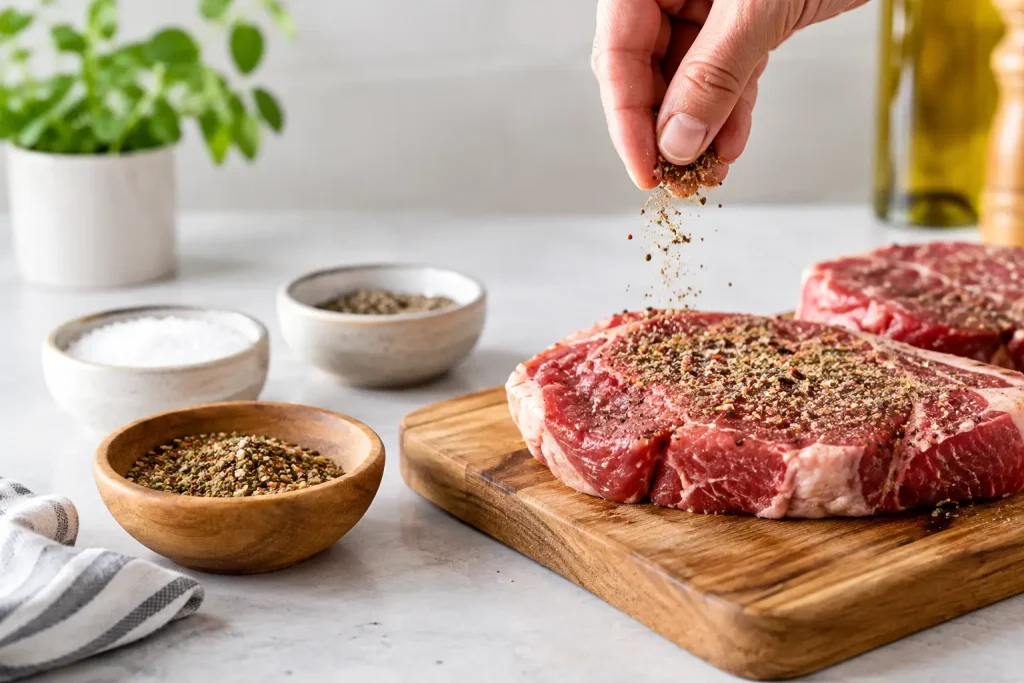
A great meal can go flat long before it hits the grill or oven. The usual culprit is not the cooking method – it is simply not knowing how much seasoning per pound to use. A pinch feels safe, but it rarely gives a steak, chicken breast, or tray of roasted vegetables the bold, balanced flavor you were hoping for.
For most foods, start with 1 to 1 1/2 tablespoons of a well-balanced seasoning blend per pound. That is enough to build a flavorful crust and season the interior without burying the natural taste of the food. From there, adjust for the cut, cooking method, and how much salt is already in your blend.
The quick answer: how much seasoning per pound?
For everyday cooking, 1 tablespoon per pound is a reliable starting point. Use up to 1 1/2 tablespoons per pound for larger cuts, hearty meats, and foods that can handle a stronger crust, such as pork shoulder, ribs, brisket, and potatoes.
Delicate foods need a lighter hand. Fish, shrimp, scallops, and thin vegetables can taste overpowered quickly, especially when the seasoning includes salt, pepper, chile, or sharp citrus notes. Begin at 2 teaspoons per pound, then add a little more after cooking if needed.
| Food | Starting amount per pound | When to use more or less | | — | — | — | | Steak, burgers, and chops | 1 to 1 1/2 tablespoons | Use more for thick steaks and larger roasts | | Chicken and turkey | 1 tablespoon | Use 1 1/2 tablespoons for skin-on pieces or a whole bird | | Pork ribs, pulled pork, and brisket | 1 1/2 tablespoons | Increase slightly for a thick barbecue-style bark | | Fish and seafood | 2 teaspoons to 1 tablespoon | Stay lighter with flaky fish and small shrimp | | Vegetables and potatoes | 2 teaspoons to 1 tablespoon | Use more for dense potatoes, mushrooms, and cauliflower | | Soups, sauces, and beans | 1 to 2 teaspoons | Add gradually because liquid concentrates flavor over time |
These measurements assume you are using a ready-made seasoning blend, not straight salt. A blend made with herbs, spices, Himalayan pink salt, pepper, garlic, onion, and other flavor builders is designed to cover more ground than one ingredient alone.
Why the right amount changes from one food to another
A pound is a useful measure, but it is not the whole story. Surface area matters. One pound of small chicken wings has much more surface to season than one pound of boneless chicken thighs. The wings can take more blend because every bite has seasoned skin. The thighs may need less because the seasoning is concentrated on a smaller exterior.
Fat matters, too. Rich foods soften bold flavors. A ribeye, pork butt, or juicy burger can carry more black pepper, garlic, smoked paprika, and chile than a lean white fish. Salt also becomes more noticeable on lean foods, which is why seafood and skinless chicken benefit from a more measured approach.
Then there is cooking method. High-heat grilling and roasting can mellow raw spice flavors while creating a savory crust. Braising, slow cooking, and simmering hold on to seasoning in the liquid, so it is easier to add more later than to rescue an overly salty pot of chili.
Start with a dry surface
Before you measure anything, pat proteins dry with a paper towel. Moisture on the surface dilutes your seasoning and keeps it from sticking evenly. A dry steak or chicken thigh gives the blend something to grab onto, which means better coverage and better browning.
Drizzle on a small amount of oil only when it helps the seasoning adhere, particularly on vegetables, shrimp, or lean chicken. You do not need to make the food slick. One to two teaspoons of oil per pound is usually plenty, followed by your measured seasoning.
Sprinkle from several inches above the food instead of dumping seasoning in one spot. This gives you a more even layer. After seasoning, gently press the blend onto the surface. Do not rub so hard that you knock the herbs and spices back onto the cutting board.
Timing makes a big difference
For steaks, burgers, pork chops, and chicken, season at least 20 to 30 minutes before cooking when you have the time. This lets the salt begin to work its way into the surface and gives the spices time to bloom. For thicker cuts such as a roast or pork shoulder, seasoning several hours ahead or overnight can build deeper flavor.
There is one exception: if you season a thin cut well in advance, the salt may pull moisture to the surface. That is not a disaster, but you will want to pat it dry again before it goes into a hot pan. For weeknight cooking, seasoning right before grilling, roasting, or searing still produces a delicious result.
Seafood needs less waiting. Season fish and shrimp 10 to 15 minutes before cooking, especially with blends that include salt or citrus. Too much time can change the texture of delicate seafood.
When to season more generously
Some meals are built for a bigger flavor statement. Barbecue ribs, smoked pork butt, roasted potatoes, grilled corn, and thick-cut steaks all benefit from a confident coating. If you are using a blend with a savory profile, such as garlic, pepper, herbs, and mild chile, 1 1/2 tablespoons per pound is often the sweet spot.
Foods with a lot of surface texture also need extra attention. Chicken skin, mushroom caps, scored pork chops, and the craggy edges of cauliflower hold seasoning beautifully. Make sure the blend reaches those nooks instead of sitting only on the smooth top surface.
If you are cooking for a crowd, taste before serving rather than automatically adding extra seasoning to the entire batch. You can always finish individual portions with a small shake of seasoning, flaky salt, or a bright squeeze of lemon. That gives everyone more control at the table.
When to pull back
Use a lighter amount when your recipe already includes salty ingredients. Soy sauce, broth, cheese, cured meats, bottled barbecue sauce, and brined poultry all bring their own seasoning to the party. In those cases, start at 2 teaspoons per pound, cook, then taste.
The same rule applies to blends with a high salt content. Check the label and think about what else is going into the dish. A clean, carefully balanced blend can save you from juggling six spice jars, but every blend has its own personality. A pepper-forward blend may welcome a heavier hand on steak, while a bright lemon blend can shine with a smaller amount on shrimp or asparagus.
A simple way to adjust as you cook
The best cooks taste and make small corrections. If you are new to a particular blend, measure your first batch instead of seasoning by instinct. Cook one piece, take a bite, and notice what is missing. Does it need more salt, more heat, more garlic, or simply a little brightness?
For grilled or roasted foods, finish with a light dusting after cooking if the flavor needs a lift. For soups, beans, and sauces, add seasoning in two stages: some early for depth, then a small amount near the end for a fresher spice aroma. That approach is especially useful with herbs and citrus-forward blends.
At Heath’s Blends, the goal is not to cover up good food. It is to give everyday ingredients a fuller, more craveable personality with quality herbs, spices, and no filler-driven flavor shortcuts.
Trust your taste buds, not just the tablespoon
A tablespoon per pound is your dependable starting line, not a hard rule. The thickness of the food, the salt level of the blend, the heat of your grill, and the rest of the recipe all have a say. Start measured, season evenly, and give yourself permission to add a final pinch when the food asks for it. It is amazing what the right amount of spice can do.