
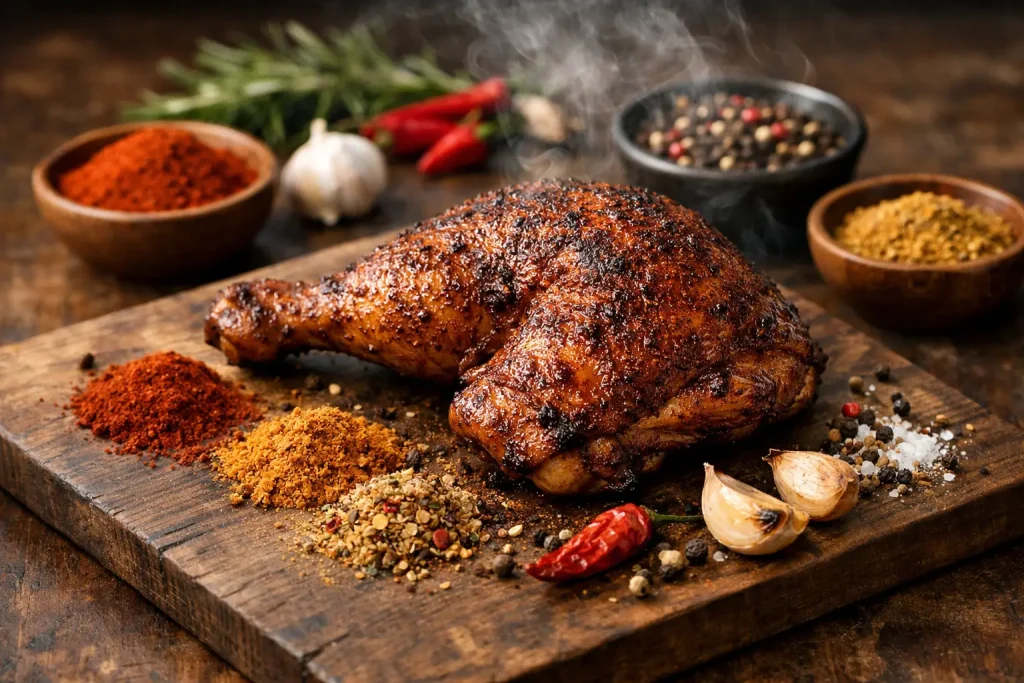
Chicken can take on plenty of smoke, but it should never taste like the seasoning cabinet fell into the smoker. The best smoked chicken spices create a savory crust, support the wood-fired flavor, and let the chicken itself stay front and center. That balance is what turns a simple pack of thighs, wings, or a whole bird into the meal everyone remembers.
For home cooks, the goal is not a complicated 14-step rub routine. It is choosing flavors that work together, applying them at the right time, and cooking with enough patience to build color without drying out the meat. A great seasoning blend makes that job a whole lot easier.
What Makes Smoked Chicken Spices Work?
Smoke brings depth, but it also magnifies seasoning choices. Sweet spices can darken quickly. Pepper can become more noticeable as the chicken cooks. Salt has time to move into the meat, especially when seasoning sits overnight. That is why a smoked chicken blend needs balance rather than one big, loud flavor.
A dependable profile usually starts with salt, black pepper, garlic, and onion. From there, paprika adds color and gentle earthiness, while herbs bring a fresher edge. Chile powder, cayenne, or crushed red pepper can add heat, but they should complement the smoke instead of turning every bite into a dare.
For chicken, a little brightness matters too. Citrus peel, vinegar powder, or tangy spices keep rich dark meat from tasting heavy and make smoky skin more craveable. This is especially useful with thighs and drumsticks, which have more fat than chicken breast.
The Best Flavor Directions for Smoked Chicken
There is no single right way to season smoked chicken. The cut, the wood, the sauce, and the people at your table all matter. Still, a few flavor directions consistently earn their spot at the grill.
Classic barbecue: sweet, savory, and peppery
This is the crowd-pleasing route for wings, drumsticks, and bone-in thighs. Think paprika, garlic, onion, black pepper, a touch of sugar, and mild chile. The sugar helps develop a deep mahogany color, but too much can burn during a hot finish or long cook.
If you plan to add barbecue sauce near the end, use a rub that is more savory than sugary. Sauce already brings sweetness, and doubling up can cover the chicken’s flavor instead of building on it.
Southwest-style: warm spice with a little kick
Cumin, coriander, chile, garlic, onion, and pepper make a natural match for smoked chicken. This style is excellent for chicken tacos, burrito bowls, loaded nachos, or sliced chicken over grilled vegetables.
For a milder meal, keep the chile level moderate and let cumin and coriander do more of the work. Want more heat? Add it after cooking with a spicy finishing sauce or sliced fresh peppers. It is easier to add heat at the table than to rescue chicken that is too hot for half the family.
Peppery and herb-forward: clean, versatile flavor
Not every smoked chicken recipe needs sweetness. A blend built around black pepper, garlic, herbs, and bright citrus notes is especially good on whole chickens and chicken breasts. It also leaves room for whatever comes next, whether that is a pan sauce, a fresh salad, or a side of roasted potatoes.
This is a smart choice when smoking with fruit woods such as apple or cherry. Those woods bring a gentle natural sweetness, so the seasoning can stay clean and savory.
How Much Seasoning to Use
A common mistake is under-seasoning a whole chicken because the bird looks large. Another is packing rub onto the skin so heavily that it turns pasty. Aim for an even, visible coat, not a thick blanket.
For boneless chicken breasts, start with about 1 tablespoon of seasoning per pound. Thighs, drumsticks, and wings can usually handle a little more because they have more surface area and richer meat. For a whole chicken, season the outside generously and make sure some seasoning reaches the cavity and the meat beneath the breast skin.
Pat the chicken dry before adding spices. Dry skin gives seasoning something to hold onto and has a much better chance of crisping after the smoke. A light coat of oil is optional, but it can help a low-sugar blend adhere. If your blend contains enough salt, avoid adding extra salt until you have tasted the finished chicken.
When to Season Chicken Before Smoking
You have two good options: season shortly before cooking or season several hours ahead. Both work, but they produce slightly different results.
Seasoning 30 to 60 minutes before the chicken goes on the smoker is simple and reliable. The spices adhere well, and you avoid leaving salty chicken uncovered for too long if refrigerator space is tight. This approach is great for weeknight wings and last-minute thighs.
For deeper flavor, season the chicken 4 to 12 hours ahead and refrigerate it uncovered on a rack or plate. The salt has more time to season the meat, while the uncovered skin dries slightly. That can lead to better bite-through skin, especially when you finish the chicken at a higher temperature.
Do not leave raw chicken at room temperature to “marinate” in seasoning. Keep it refrigerated until it is ready for the smoker.
Match the Spice Blend to the Cut
Chicken thighs are forgiving, flavorful, and built for bold seasoning. They shine with smoky paprika, pepper, garlic, chile, and tangy notes. Cook them until tender, not merely until they reach the minimum safe temperature. Dark meat often becomes more enjoyable around 175 to 185 degrees F, when connective tissue has had time to soften.
Wings love seasoning with personality. A savory pepper blend creates crisp, snackable wings, while a sweet-spicy rub gives you that classic barbecue finish. Smoke them until cooked through, then increase the heat or move them over direct heat briefly to tighten the skin.
Chicken breast needs a lighter hand. Because it is lean, aggressive salt and long cooking can make it taste dry even when the temperature is technically right. Use an herb-forward or peppery blend, smoke gently, and pull it around 160 degrees F. Let it rest so carryover heat can finish the job.
Whole chicken gives you the most room to play. Season under the skin of the breasts, in the cavity, and over every inch of the exterior. Spatchcocking the bird helps it cook evenly and gives more skin direct exposure to heat and smoke.
Smoke, Heat, and Sugar: The Trade-Offs
Low-and-slow smoking builds wonderful flavor, but chicken skin can turn rubbery when the cooker stays too cool for too long. A practical fix is to smoke at 250 to 275 degrees F, then raise the heat near the end. You get smoke flavor without sacrificing texture.
Wood choice matters as well. Apple, cherry, and pecan are friendly choices for chicken because they are mild and slightly sweet. Hickory brings a stronger barbecue character. Mesquite can be delicious, but use it sparingly with chicken since it can overwhelm lighter meat.
Sugar in a rub needs the same thoughtful approach. A small amount helps with color and caramelized flavor. A heavy amount can scorch, particularly when the chicken is finished over high heat. If you want sticky, sweet chicken, smoke with a savory blend first and brush on sauce during the final 10 to 15 minutes.
A Clean Blend Makes Everyday Cooking Easier
When you cook chicken often, ingredient quality is not a small detail. A blend made with recognizable herbs and spices gives you dependable flavor without asking you to sort through fillers, artificial flavors, or mystery ingredients. At Heath’s Blends, that means organic herbs and spices, Himalayan pink salt, and no MSG, nuts, fillers, or preservatives.
The payoff is flexibility. A smoky, peppery seasoning can start on chicken thighs one night, then bring life to roasted vegetables, grilled corn, potatoes, or a pot of beans the next. Good spice should earn its place in the cabinet by making more than one meal taste better.
The Final Check Before You Serve
Use a thermometer, not guesswork. Chicken is safe when the thickest part reaches 165 degrees F, without the probe touching bone. Then give it a few minutes to rest before slicing. That pause keeps more juice in the meat and gives the seasoning crust time to settle.
Before serving, taste a small piece and decide what the chicken needs. A squeeze of lemon can brighten it. A pinch of finishing salt can sharpen it. A little sauce can add sweetness or heat. Great smoked chicken is not about following one rigid formula. It is about building flavor confidently, then making the final adjustment that makes your table ask for seconds.